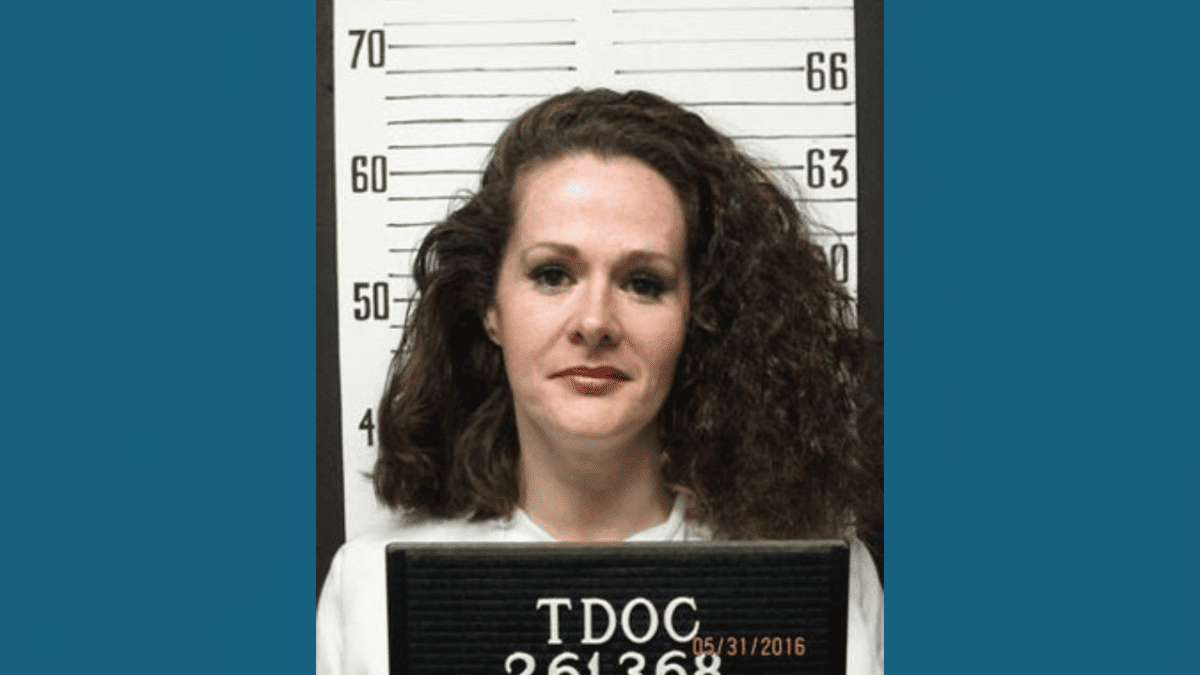
Christa Pike, the only person known to have survived a complete execution attempt in the United States, is awake and communicating nearly a week after receiving two doses of pentobarbital in a botched procedure, her legal team confirmed Tuesday.
The 48-year-old was administered the lethal injection drug on Sept. 30 at Riverbend Maximum Security Prison in Nashville. Instead of succumbing, she remained alive and was rushed by ambulance to a local hospital, where she initially required ventilator support while medical staff worked to clear the drug from her system.

By Tuesday, Pike's attorneys said she had regained consciousness, was speaking, and was receiving critical care. They expressed gratitude to first responders and hospital staff who "treated Christa like a human" and provided "exceptional care." The legal team also thanked supporters worldwide who sent messages of prayer and encouragement.
However, the ordeal has taken a physical toll. Pike's lawyers noted she suffered "severe damage" to her arms and remains handcuffed and shackled to her hospital bed. While her long-term prognosis is uncertain, they anticipate a "long recovery" at minimum.
The failed execution has intensified scrutiny of Tennessee's death penalty procedures. Governor Bill Lee has already paused all executions in the state pending review, a move that has drawn both support and criticism.
Pike's attorneys are now urging Governor Lee to commute her sentence to life imprisonment without the possibility of parole, arguing that the botched attempt constitutes cruel and unusual punishment. They are scheduled to appear in court on Wednesday, Oct. 7, to press their case.
The incident has also sparked political reactions. Some lawmakers, including Senator Marsha Blackburn, have advocated for the electric chair as an alternative to lethal injection, citing the failure of current protocols. Others have called for a broader reassessment of capital punishment in the state.
Legal experts note that Pike's survival is "medically unprecedented," raising new questions about the reliability of lethal injection as a method of execution. The case has become a flashpoint in the ongoing national debate over the death penalty, with advocates on both sides using the incident to bolster their arguments.
As Pike continues her recovery, the legal and political ramifications are likely to unfold in the coming weeks. The court hearing on Wednesday will be closely watched, as will any further actions by Governor Lee or the state legislature.