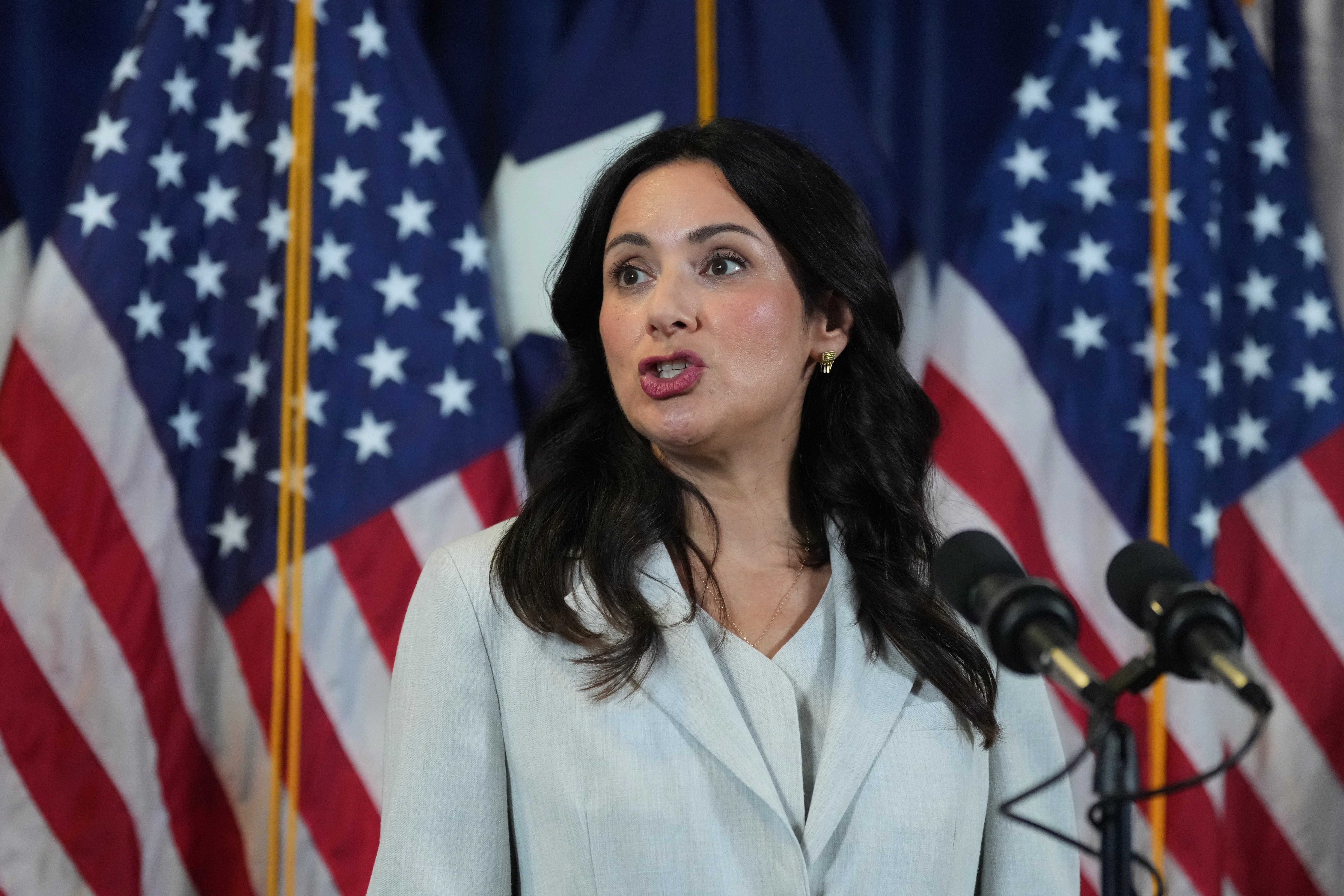
Texas Governor-elect Gina Hinojosa (D) has laid out a concrete strategy to shutter family detention at the state’s controversial Dilley Immigration Processing Center, telling YouTube personality Rachel Accurso that she would simply refuse to grant the state license that allows children to be held there.
“The reason we believe the children are being detained here with their families is because there’s licensing that allows that to happen,” Hinojosa said in an Instagram video posted Thursday. “I would not allow that to happen. I would not ever license that — that’s child abuse. Should not be happening.”
Accurso, known to millions of young viewers as Ms. Rachel, has become an outspoken opponent of U.S. Immigration and Customs Enforcement’s practice of detaining families at the South Texas facility, which is operated by private prison contractor CoreCivic under a federal contract.
Hinojosa had earlier told The New York Times that she intends to use the state’s licensing authority to prevent private prison companies from holding children in Texas detention facilities. “Locking up little kids like that, even with their parents, that is child abuse,” she said at the time.
Her remarks drew immediate support from U.S. Representative Joaquin Castro (D-TX), who said on social media that he looks forward to working with the governor-elect to “shut down the Dilley Trailer Prison once and for all.” Castro added: “We must end family detention in America. No child should be ripped away from their lives and locked away. No private company should profit from the suffering and trauma of children.”
Castro has firsthand familiarity with the facility. In January, he visited Dilley to meet with five-year-old Liam Conejo Ramos and his father, Adrian Conejo Arias, after the pair were detained in Minnesota and transferred to the Texas center. Castro announced their release and return to Minnesota on Feb. 1, and he has continued to press for an end to family detention nationwide.
Hinojosa also signaled openness to working with President Trump on the issue, telling Accurso that she is willing to cooperate with the administration “to take care of kids and families.” She added: “Because we should be able to come together to stop hurting kids in this country and in this state.”
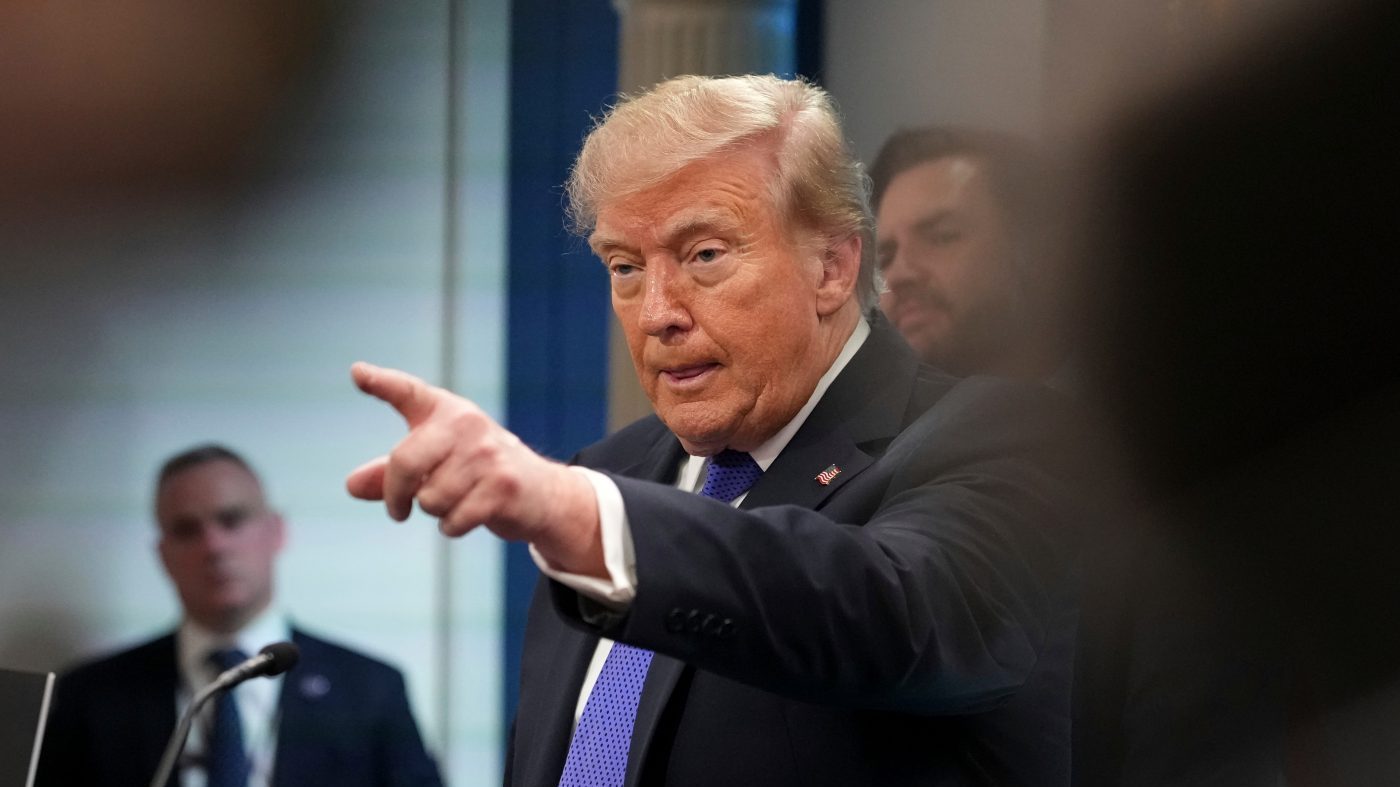
President Trump, speaking at a press conference Friday, said he recently spoke with Hinojosa and described her as “really nice.” He characterized the call as “very productive,” noting that she “wants to have a strong border.” Trump added: “I think we’ll be able to work something out. Because that’s a very important thing. I got elected on the border, I did a phenomenal job.”
The clash over Dilley comes amid broader partisan fights in Texas over immigration enforcement and state authority. Hinojosa’s plan to use licensing as a lever could face legal challenges from CoreCivic or the federal government, but her allies argue that state law gives her the power to revoke licenses for facilities that house children. The move is part of a wider push by Texas Democrats to roll back Trump-era immigration policies, including recent efforts to undo DEI bans in schools and universities.
Castro’s involvement also highlights the ongoing congressional scrutiny of private detention operators. He has called for hearings on the conditions at Dilley and has introduced legislation to prohibit the use of private facilities for family detention. His office has pointed to the case of Liam and his father as evidence of the human toll of the policy.
For Hinojosa, the licensing approach offers a direct, state-level path to achieve what federal legislation has so far failed to do. “We’re not going to license child abuse,” she said in the video. “That’s the bottom line.”