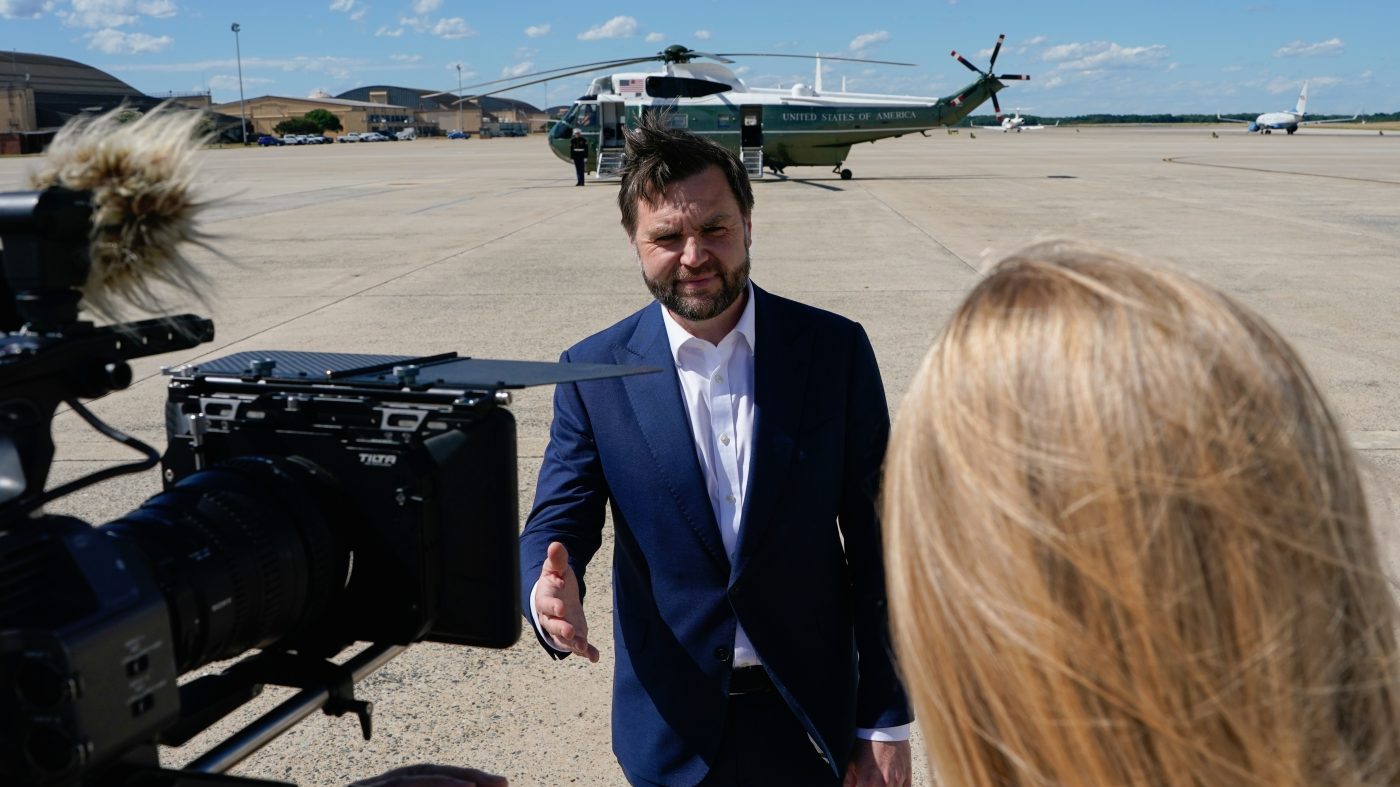
Vice President Vance departed for Switzerland on Saturday evening to join special envoy Steve Witkoff and Jared Kushner for technical negotiations with Iran, aiming to finalize a nuclear agreement. The trip comes after a week of diplomatic breakthroughs and sudden reversals that have put the administration's Middle East strategy under intense scrutiny.
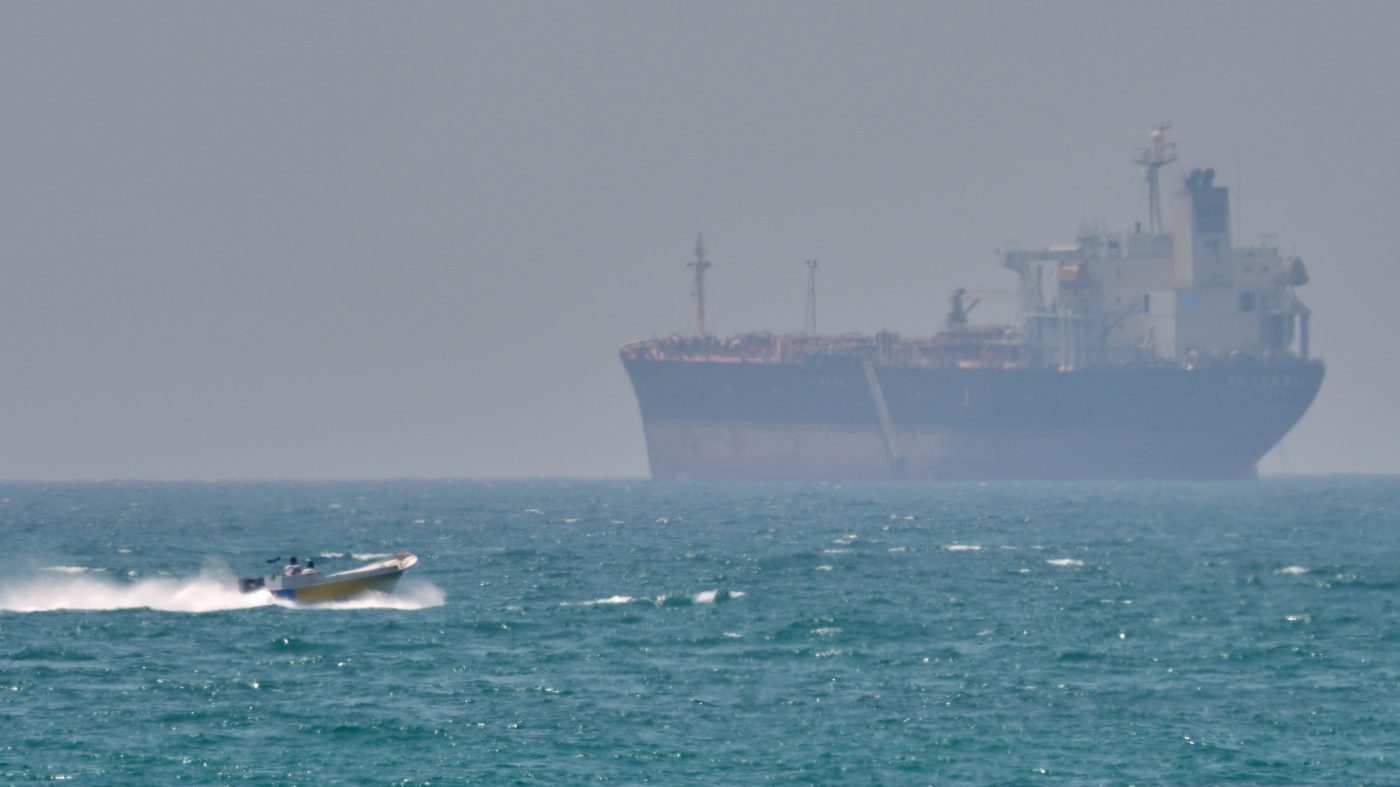
The U.S. and Iran had earlier this week signed a preliminary memorandum of understanding to reopen the Strait of Hormuz, a vital chokepoint for global oil shipments. Its months-long closure had sent energy prices soaring and disrupted supply chains worldwide. But on Saturday, Iran announced it was shutting the waterway again, accusing the U.S. and Israel of violating a ceasefire deal after Israeli forces launched strikes in Lebanon targeting the Iran-backed militia Hezbollah. The strikes, which occurred hours after a ceasefire took effect, killed at least 16 people and wounded 12, according to Lebanese authorities.

In response, President Trump threatened to impose American tolls on vessels passing through the strait if a final deal with Iran is not reached within 60 days. The funds, he said, would compensate the U.S. for serving as the region's 'Guardian Angel.' The sharp escalation underscores the fragility of the emerging accord and the high stakes for Vance's mission.
Vance, who had originally been expected to arrive in Switzerland on Thursday, postponed his departure due to the Israel-Hezbollah fighting. He told reporters he expected to be in Europe for 'a day or two' and expressed optimism about making progress on both the nuclear talks and a ceasefire in southern Lebanon. The negotiations, mediated by Pakistan and Qatar, are now set to dominate Sunday morning news shows as questions swirl about whether the administration can sustain momentum amid renewed tensions.
The 14-point MOU signed this week has also drawn criticism from some of Trump's own allies. Conservative pundits and hawkish Iran experts warn that the agreement could cede key leverage or provide Tehran with significant funding before it dismantles its nuclear program. After Iran leaked details of a potential $300 billion reconstruction fund, Trump dismissed the reports as 'Fake News,' and Vance insisted Tehran would not 'receive any cash' under the deal.
Despite internal Republican divisions, party strategists remain hopeful that the agreement—and the resulting drop in gas prices—will boost their midterm prospects. The national average for a gallon of gas has fallen below $4, now at $3.95, according to AAA, offering some relief to voters ahead of the summer driving season.
Beyond Iran, the administration faces other controversies. The Lincoln Memorial Reflecting Pool renovation, a multimillion-dollar project touted as part of a broader cleanup of Washington, has been marred by a massive algae bloom and peeling paint just two weeks after completion. Trump claimed on Truth Social that the pool was vandalized, but critics point to shoddy workmanship and cost overruns. The reflecting pool's troubles have become a symbol of the administration's struggles to deliver on its promises.
Meanwhile, Trump unveiled a new Air Force One plane gifted by Qatar, which he said will fly 'further and faster' than previous models. The aircraft is slated to transport the president to next month's NATO summit in Turkey and the Asia-Pacific Economic Cooperation summit in China, with a July 4 flyover also planned.
Back in Washington, House Republicans are returning from recess to a divided agenda. Trump is pushing to attach the Safeguard American Voter Eligibility (SAVE America) Act to legislation renewing a key government surveillance power, part of his broader election security push ahead of the midterms. Anti-incumbent sentiment is running high, and several House members who skipped reelection bids to run for higher office have faced poor results, especially those without Trump's endorsement.
The Sunday shows will feature a lineup of key lawmakers: Sen. Lindsey Graham on CBS, Sen. Cory Booker on NBC, and Energy Secretary Chris Wright on both ABC and Fox News, among others. The coming week will test whether Vance's diplomacy can salvage the Iran deal or whether the Strait of Hormuz closure will spark a wider crisis.