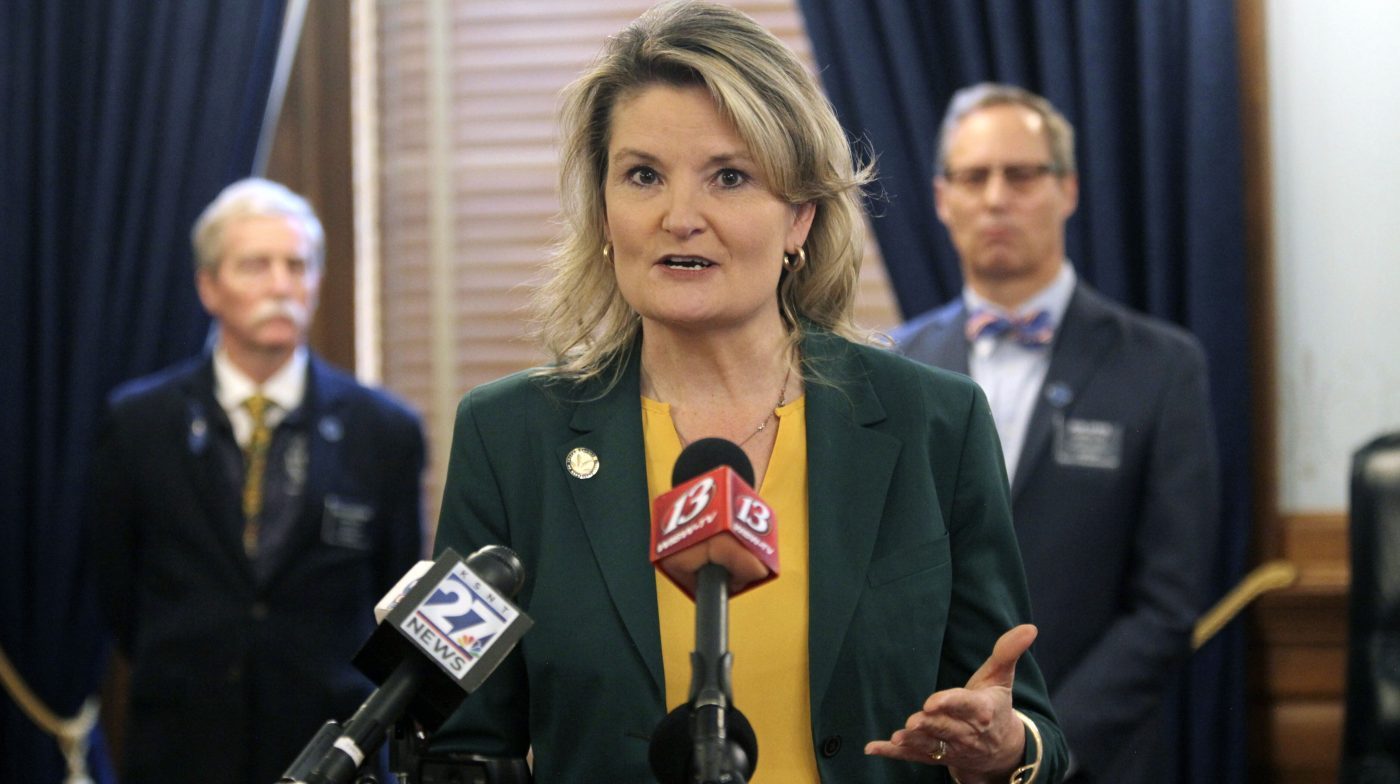
State Sen. Cindy Holscher has clinched the Democratic nomination for Kansas governor, according to preliminary results from Decision Desk HQ (DDHQ), setting up a general election battle in a state where Republicans are favored.
Holscher outpaced a small Democratic field that included state Sen. Ethan Corson and Overland Park Mayor Curt Skoog. Corson had the backing of outgoing Gov. Laura Kelly and former Gov. Kathleen Sebelius, but that institutional support was not enough to overcome Holscher's campaign.
The race to succeed Kelly, who is term-limited, is rated as "leans Republican" by the Cook Political Report, reflecting the state's conservative tilt. However, the GOP has struggled to reclaim the governor's mansion since the turbulent tenure of former Gov. Sam Brownback, whose 2012 income tax cuts sent the state into a fiscal crisis. That backlash helped Kelly win in 2018, a rare Democratic victory in the deep-red state.
Holscher's legislative background
Holscher currently serves as the minority whip in the state Senate, representing Johnson County, a suburban area outside Kansas City. She previously served in the state House, giving her a lengthy track record in Topeka that she is likely to emphasize in the general election.
Her victory marks a shift from the Kelly era, as she will now carry the Democratic banner into a race that national analysts see as an uphill climb. The GOP primary, meanwhile, is still unfolding, with several candidates vying for the chance to face her in November.
Political observers will be watching whether Holscher can replicate Kelly's coalition of moderate Republicans and independents, a key factor in the 2018 and 2022 victories. The state's shifting demographics and suburban voters in Johnson County could play a pivotal role.
For now, Holscher's focus will turn to uniting the party after a competitive primary. The general election is expected to be costly, with national groups likely to pour money into the race given its implications for control of state government.
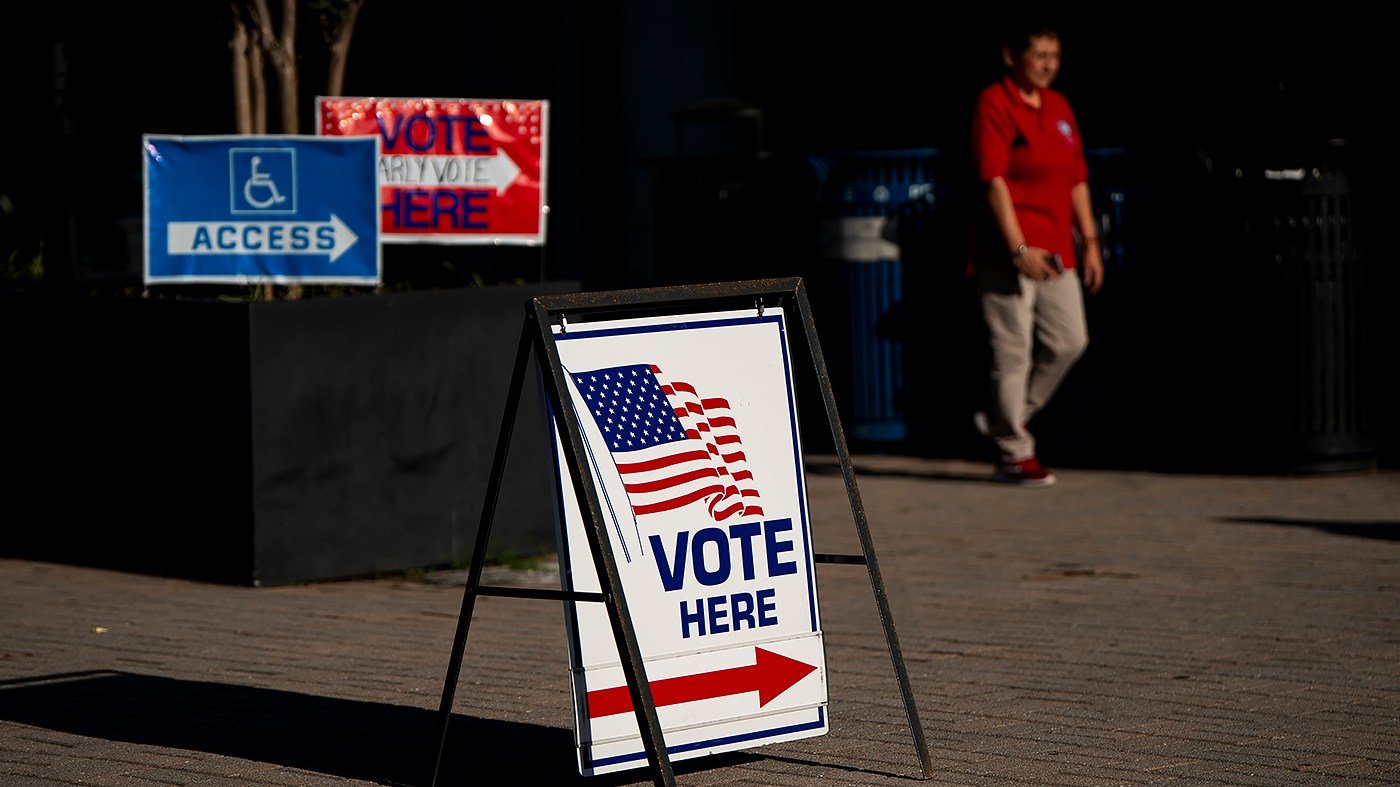
As the campaign moves forward, the Kansas GOP primary for U.S. Senate is also drawing attention, with voters heading to the polls in both races. The outcomes could reshape the state's political landscape for years to come.
Holscher's win is a notable upset, as Corson had the backing of the outgoing governor and a prominent former governor. Her campaign appears to have resonated with Democratic voters seeking a fresh face.
With the primary behind her, Holscher now faces the challenge of winning over a state that has not elected a Democratic governor consecutively since the 1990s. Her ability to navigate the state's fiscal issues and appeal to moderate voters will be tested in the coming months.