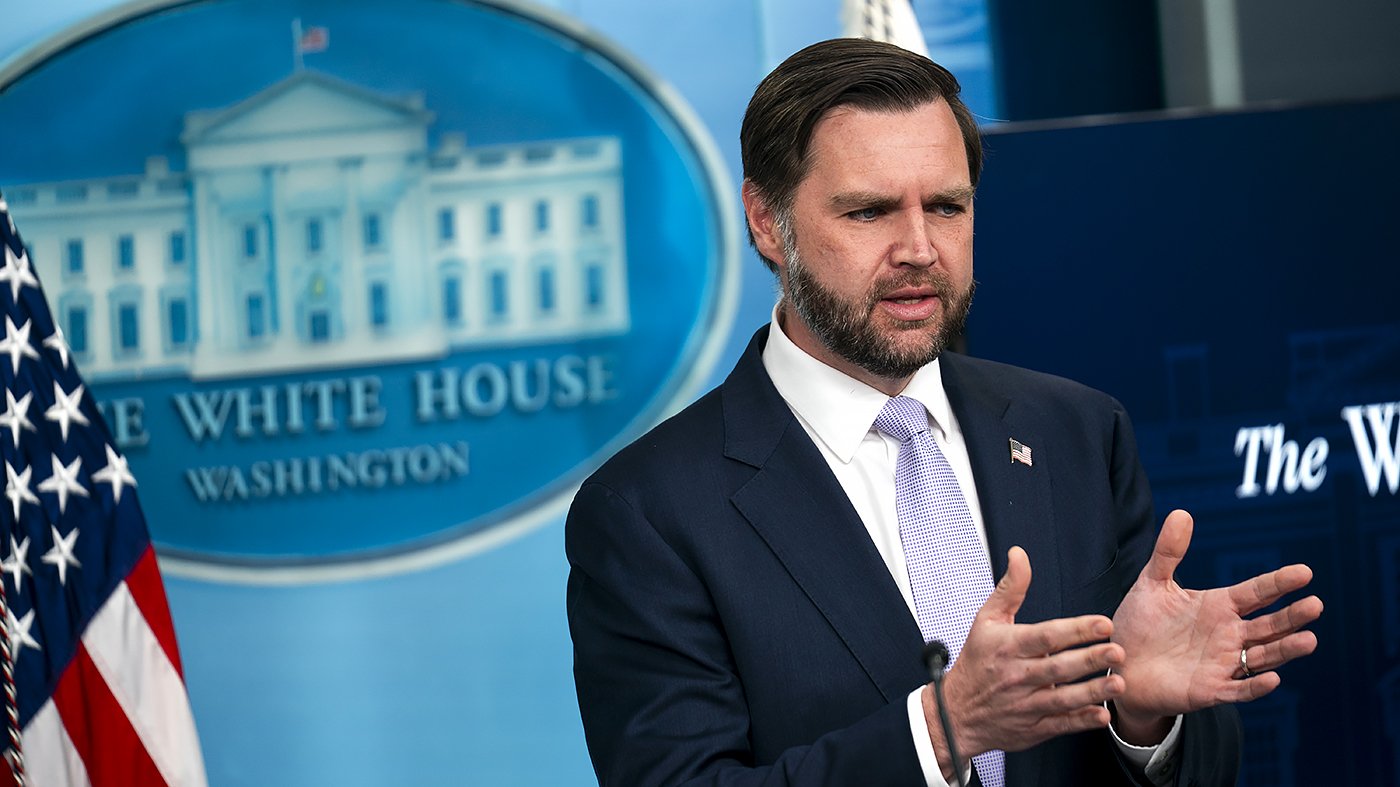
Vice President Vance acknowledged Tuesday that the Trump administration is holding back the full text of the preliminary U.S.-Iran agreement due to what he described as unresolved diplomatic sensitivities involving Tehran and the countries that helped broker the talks.
In an interview on SiriusXM's The Megyn Kelly Show, Vance stated that the memorandum of understanding (MOU) between Washington and Tehran is still slated for public release this week, with a window opening as early as Wednesday and closing no later than Friday. He attributed the delay to requests from Iran and mediating nations such as Pakistan and Qatar, who asked for more time to coordinate the rollout of the document.
“The reason why we haven’t released it yet is there are some delicate diplomatic things going on,” Vance said. He added that he did not fully grasp the specifics of those sensitivities but emphasized that the administration is trying to accommodate concerns from regional players.
“I don’t, frankly, fully understand it, but there are sensitivities that exist in the Arab and Muslim world that we’re trying to be responsive to,” he said.
The preliminary deal, signed electronically by President Trump and Vance on Sunday, aims to reopen the Strait of Hormuz after months of closure that disrupted global oil supplies. Vance is set to represent the United States at a formal signing ceremony in Switzerland on Friday.
According to reports, the 14-point agreement includes a provision that could grant Iran access to a $300 billion development fund if it meets its obligations under the MOU. That detail has sparked alarm among Iran hawks, who worry about the potential for Tehran to tap into substantial funding. The controversy echoes earlier GOP skepticism over Vance's lead role in the strait deal.
President Trump, speaking Wednesday beside Egyptian President Abdel Fattah El-Sisi at the G7 Summit in France, sought to downplay the agreement’s finality. “No, it’s not final. It’s a memorandum of understanding, and if I don’t like it, we’ll go back to shooting at them, dropping bombs on their head,” Trump said, underscoring his willingness to resume military action if Iran fails to comply with terms that include reforming its nuclear program. This stance aligns with his previous signing of the preliminary agreement alongside the Iranian speaker.
The delay in releasing the MOU text has fueled speculation and criticism from lawmakers and analysts who argue that transparency is essential for public scrutiny. Vance, however, maintained that the administration is balancing diplomatic courtesy with the need for accountability, promising the full document will be made available within days.