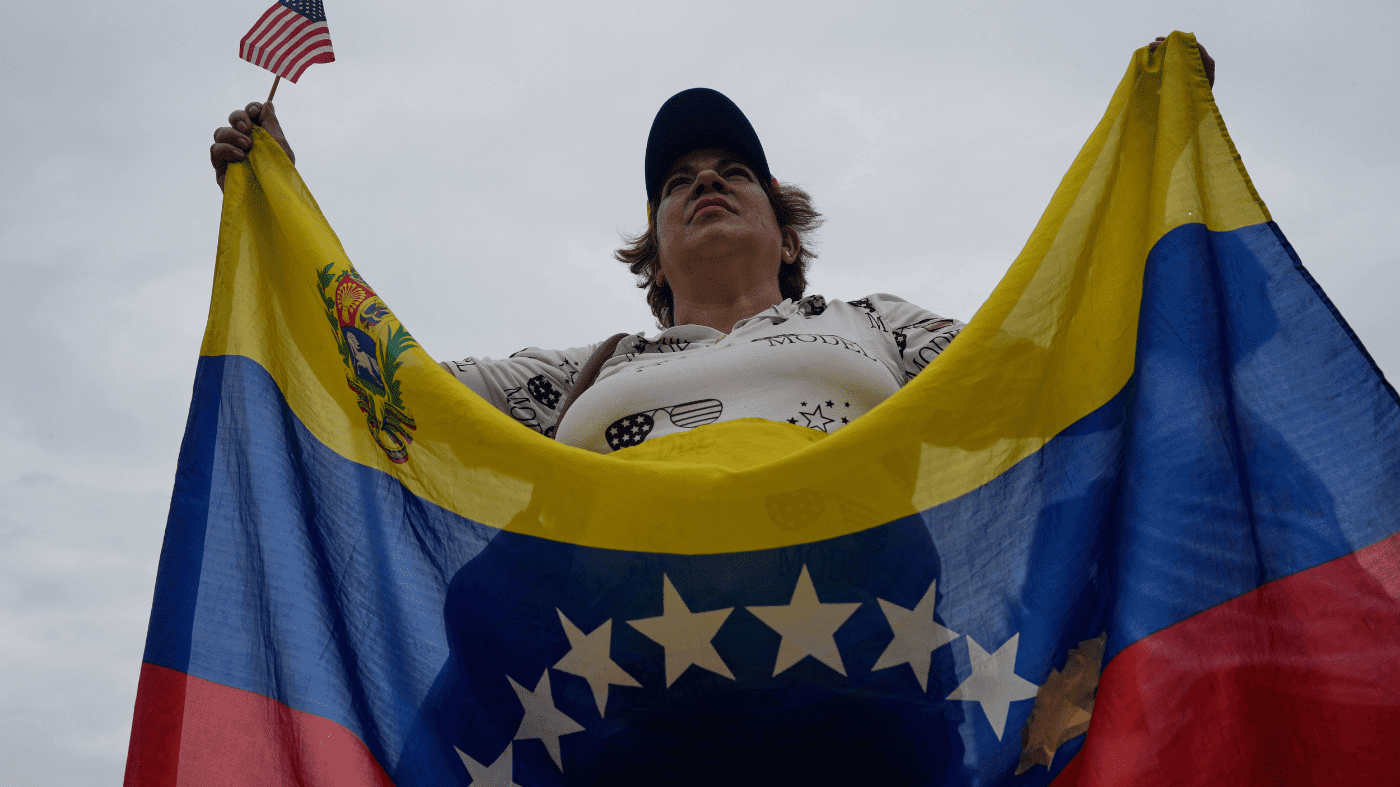
The capture of Nicolás Maduro on January 3 marked a turning point in US-Venezuela relations. Operation Absolute Resolve, which took place over eight months ago, demonstrated that the Trump administration's revival of the Monroe Doctrine was in effect, signaling that drug traffickers are not above the law. However, the mission leaves an outstanding obligation: ensuring that Venezuela holds free, fair, and transparent elections.
The Oil Deal and Its Implications
The US oil agreement with Venezuela, which secures access to 65 billion barrels of proven oil reserves, was a step in the right direction. It promotes investment and well-paying jobs in Venezuela while bolstering US energy dominance and lowering gas prices at home. Strategically, it prevents adversaries like China, Russia, and Iran from profiting from these resources. Yet, this deal raises questions about the legitimacy of the Maduro regime, as highlighted by concerns over his legal history.
A Crossroads for US Policy
After the successes of the operation and the oil deal, relations with Venezuela are at a crossroads. The US must decide whether to strengthen a pragmatic business relationship with an illegitimate government or to set a date for elections and support the resurgence of a prosperous, democratic nation. While the answer may seem straightforward, history shows that authoritarian regimes often offer a false sense of temporary stability, whereas democracy is complex and challenging. Yet, democracy is the right path for lasting prosperity.
Lessons from Cuba and China
In March 2016, President Barack Obama visited Cuba, believing that Raúl Castro was different from Fidel Castro and that pragmatic coexistence was possible. The Cuban thaw was a disaster: that year, the dictatorship arrested 10,000 people and tightened its grip on power, all while receiving US dollars facilitated by Obama's policies. Similarly, in the late 1990s, President Bill Clinton pursued a policy of practical relations with Communist China, believing that trade openness would foster a middle class and drive democratic change. Clinton said, "The more we bring China into the world, the more the world will bring change and freedom to China." The story ended badly; China remains a repressive dictatorship with greater economic and military power.
The Example of Guyana
Guyana, Venezuela's small neighbor, is one of the world's fastest-growing economies, with real GDP growth of 43.8 percent in 2024, according to the World Bank. It is estimated to earn over $6 billion in oil revenue this year. Guyana stands as an example of democracy and a reliable US partner. The United Nations noted that Guyana's recent general elections strengthened public confidence in the democratic process, showing that prosperity and democracy are the right combination.
Meanwhile, Delcy Rodriguez, an unelected ruler, is part of the problem. She works to normalize her regime, not to relinquish power. To that end, her regime has handed over enriched uranium, released some political prisoners, eased restrictions on the free press, and opened its doors to Human Rights Watch for the first time in 18 years. Venezuela's interim government is willing to change as much as it needs to, as long as nothing actually changes.
The Time to Act
Through Operation Absolute Resolve, the US succeeded in disarming the dictator; now it is time to dismantle the dictatorship. The people of Venezuela want free elections. The US has the power to make that happen, at the right time and in the right way. As the oil deal advances, Maduro's grip remains a hurdle. It is time to finish the job and set the date.