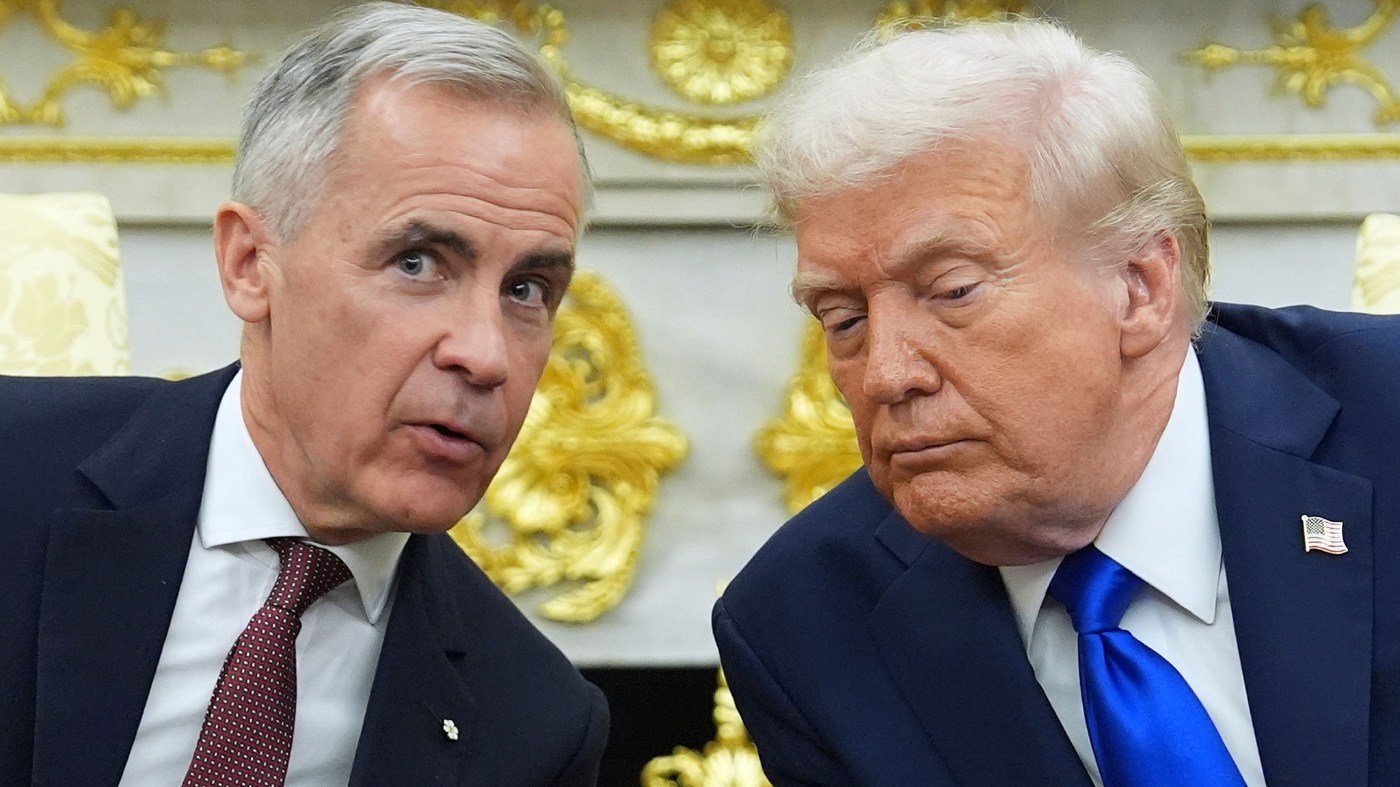
The collapse of US-Canada trade negotiations in late August has triggered a rapid escalation in tariffs that shows no sign of abating. After Washington invoked the rarely used Section 338 of the Tariff Act of 1930 to impose a 50 percent tariff on a wide range of Canadian goods, Ottawa retaliated with matching duties on US products, creating a tit-for-tat that has left observers stunned.
Most analysts are puzzled by the breakdown, especially given that the two sides appeared close to a deal. Some still hope for a resolution, but none is in sight, and President Trump has announced a ban on certain Canadian imports, further deepening the rift.

What Went Wrong?
The immediate trigger was the Trump administration's refusal to extend the United States-Mexico-Canada Agreement for a new 16-year term on July 1. That move didn't kill the pact but set in motion a 10-year wind-down unless amendments are agreed upon. Shortly after, Washington announced 50 percent tariffs on $20 billion worth of Canadian goods, effective August 19, ostensibly in response to Canadian retaliation on US autos, alcohol, and dairy products from last year.
The administration's stated goal, according to US Trade Representative Jamieson Greer, is to reduce the trade deficit with Canada and Mexico. But skeptics note that the bilateral trade gap with Canada is only about 4 percent of the overall US merchandise trade deficit, making that rationale dubious. A more plausible explanation is that Trump wants Canada to raise barriers against Chinese and other Asian manufacturing, a move Ottawa views as an infringement on its sovereignty. Prime Minister Mark Carney has refused to capitulate, leading to the current standoff.
Economic Fallout
The macroeconomic impact on the US is likely limited, as the newly tariffed goods represent only about 5 percent of US imports from Canada. Brad Setser of the Council on Foreign Relations estimates the tariffs could generate roughly $10 billion in revenue. However, the damage to Canada is potentially more severe, given that over 70 percent of its exports go to the US. Trump has boasted that the US "holds the cards" and expects Canada to eventually cave.
But The New York Times reports that most Canadians want their government to hold firm, even if it prolongs economic pain. Ottawa is strategically targeting goods from border states like Michigan, Ohio, Iowa, and Maine, which have significant exports to Canada, to increase political pressure on the administration.
Broader Ramifications
The dispute is not just economic. It threatens to weaken the North American alliance at a time when NATO is also under strain. The European Union is reportedly studying Canada's tactics in case trade tensions with the US escalate further. Meanwhile, Bloomberg reports that the EU and Canada are forging a new, comprehensive relationship covering trade and security, aiming to counterbalance the influence of both Washington and Beijing.
Some observers see a potential path to de-escalation, similar to the US-China trade truce after the so-called "Liberation Day" tariffs. But a Vox analysis suggests Trump may be willing to risk his party's Senate majority to achieve his goals, indicating the stalemate could persist until after the midterm elections. As the trade war drags on, the toll on both economies—and on the broader Western alliance—could become increasingly severe.