Remember the plastic straw frenzy of 2018? Every city council, airline, and coffee chain suddenly declared war on a tiny piece of plastic. Celebrities filmed somber PSAs, corporations scrambled to pivot, and lawmakers rushed to ban straws—all because of a statistic that claimed Americans used 500 million straws daily. That number, repeated with religious fervor, turned out to be the guess of a nine-year-old named Milo Cress. His fourth-grade science project became gospel, inspiring legislation that threatened fines and jail time. We didn't need foreign bots to fool us; we did it ourselves, in the glorious chaos of the crowd.
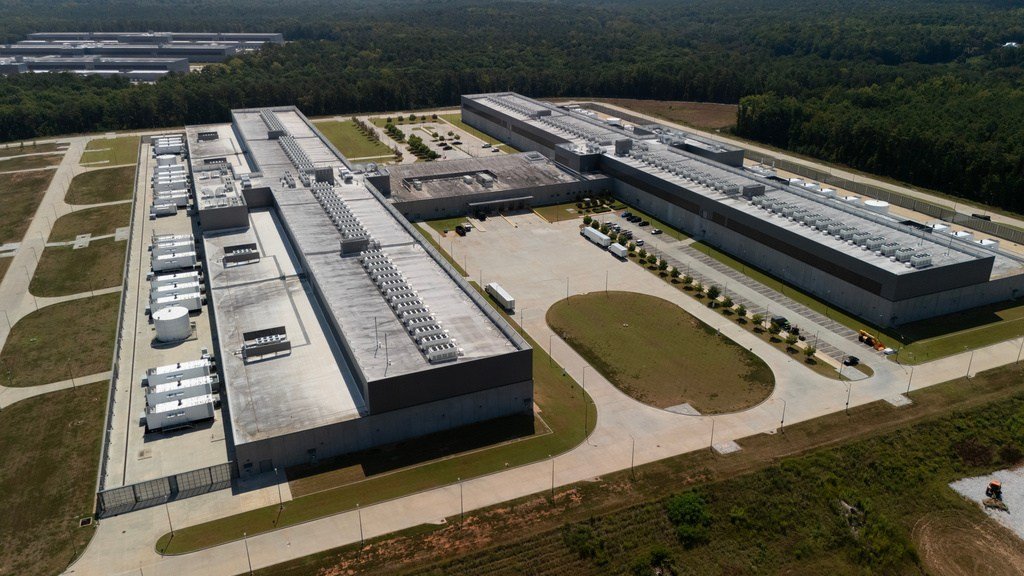
Now we're seeing the same pattern with data centers. Headlines scream that these gray boxes will drain our rivers, crash the power grid, and leave us in the dark. The numbers are dizzying, and the panic is real. But as with the straw scare, the people raising alarms aren't malicious—they're just succumbing to a classic human tendency to overreact to big figures without context.

Here's the reality: Our modern infrastructure is a quiet miracle. Every flick of a switch or pour of tap water is the product of generations of engineers and grid operators who solved problems with cool heads, not panic. Data centers do use significant electricity and water, but so do steel mills and chip fabs—and those industries actually consume more water. The challenge is real, but it's an engineering problem, not an apocalypse.
The solution, argue Josh T. Smith and Megan Jenkins of the Pacific Legal Foundation, is refreshingly boring: treat data centers like any other industry. Let them operate openly and pay their own way. Bans and moratoria are blunt instruments that ignore existing legal tools. Nuisance laws already protect neighborhoods from excessive noise, whether it's a 2 a.m. tuba or a humming server farm. Heavy-handed responses are more likely to backfire than to protect communities.
Public policy should neither punish nor privilege data centers. Just as subsidies for stadiums and reindustrialization have failed repeatedly, offering undisclosed incentives to lure data centers will leave communities poorer. Instead, policymakers should apply the same rules to everyone.
On energy costs, the key is to ensure data centers pay market-based rates and are allowed to bring their own generation, rather than being tethered to outdated monopolies. Encouraging off-grid solutions and behind-the-meter generation can inject flexibility into a rigid energy system. This approach not only benefits data centers but also strengthens the grid.
America has never advanced by fleeing in terror from new technology. We've thrived when we demand transparency, rely on proven legal principles, and trust our institutions. As national security challenges remind us, panic leads to poor decisions. It's time to put down the pitchforks, let big tech pay its fair share, and build the future with confidence.