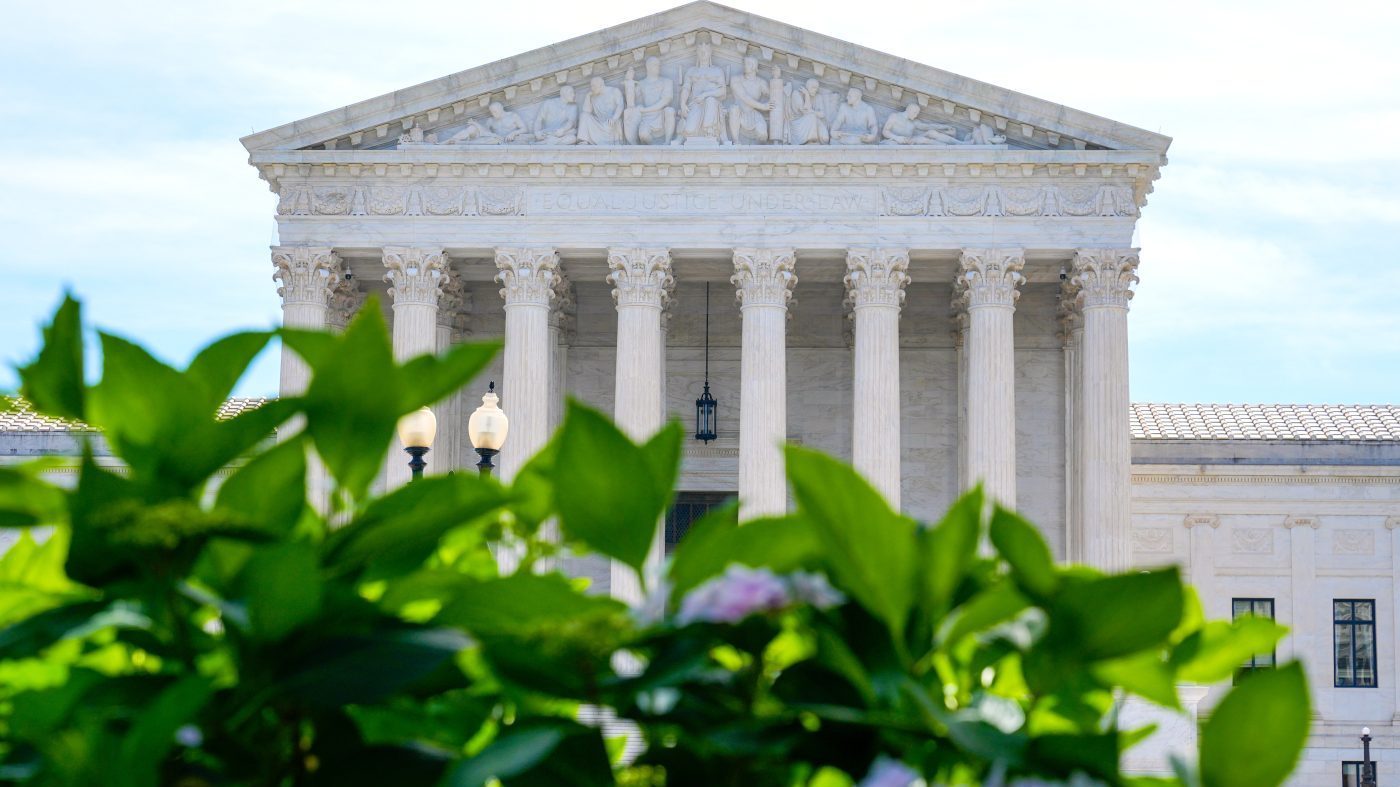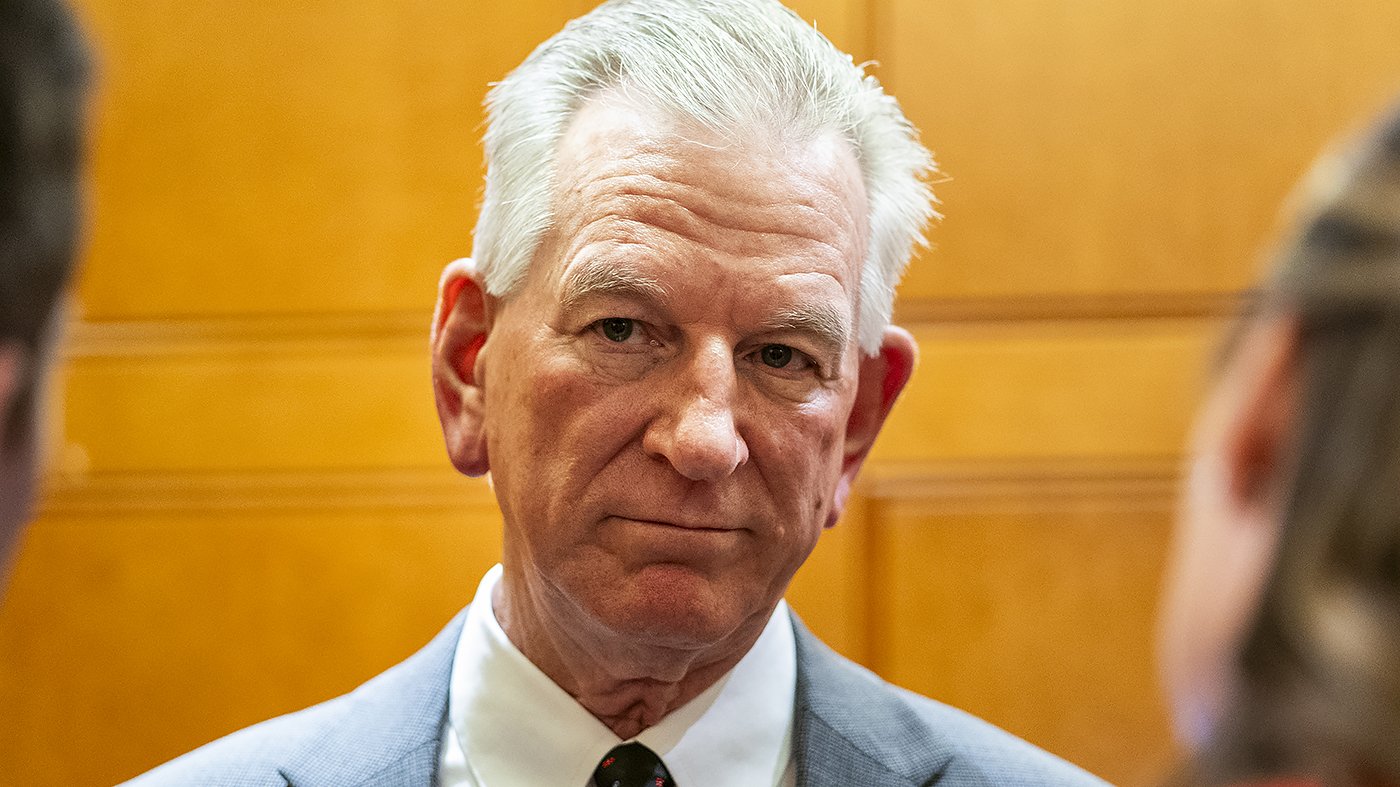
Alabama Senator Tommy Tuberville expressed skepticism Tuesday about the future of the state's newly approved congressional redistricting plan, just over a week after the U.S. Supreme Court cleared the way for a map widely seen as benefiting Republicans.
“I’m not so sure it’s going to go through. I haven’t looked at it that much,” Tuberville told reporters. The senator, who is now running for governor, added that the matter is back in the courts and he trusts the judicial process. “They’re like the referees at the football game. They’re the ones who are supposed to keep it fair,” he said.

The redrawn map eliminates one of Alabama’s two majority-Black districts and reverts to a 2023 version that had been previously blocked by lower courts for racial discrimination. The Supreme Court’s decision to lift that block has reignited a bitter partisan and legal battle over representation in the Deep South state.
Despite Tuberville’s public wavering, his communications director Mallory Jaspers issued a statement saying the senator is “100 percent supportive of redistricting as he believes the new districts will more accurately reflect Alabama’s politics and values.” Jaspers did not respond to requests for further comment on how the map might affect Alabama voters ahead of the midterm elections.
The uncertainty has already disrupted the election calendar. Alabama election officials will collect ballots for four House races on Tuesday but will not count them due to the redistricting. Voters will have to return for a special primary on August 11 to cast ballots under the new district boundaries. Other races on Tuesday’s primary ballot will proceed as normal.
Democratic Representative Shomari Figures sharply criticized the new map, warning it “sets the stage for Alabama to go back to the 1950s and 60s in terms of Black political representation in the state.” Figures noted that the Supreme Court did not dismiss the underlying case, meaning litigation will continue. “My hope is that this is a temporary setback and that three Republican-appointed judges will again find what they found the first time: that the State of Alabama intentionally discriminated against Black voters in drawing its congressional district lines,” he said.
The fight over Alabama’s map is part of a broader national battle over redistricting and voting rights. Analysts point to the ongoing redistricting wars as a key driver of political polarization and voter disenfranchisement. The outcome in Alabama could set a precedent for other states with similar legal challenges.
As the legal process unfolds, all eyes are on how the courts—and voters—will respond. The August special primary will be an early test of the new map’s political impact, with Alabama House primaries drawing national attention.