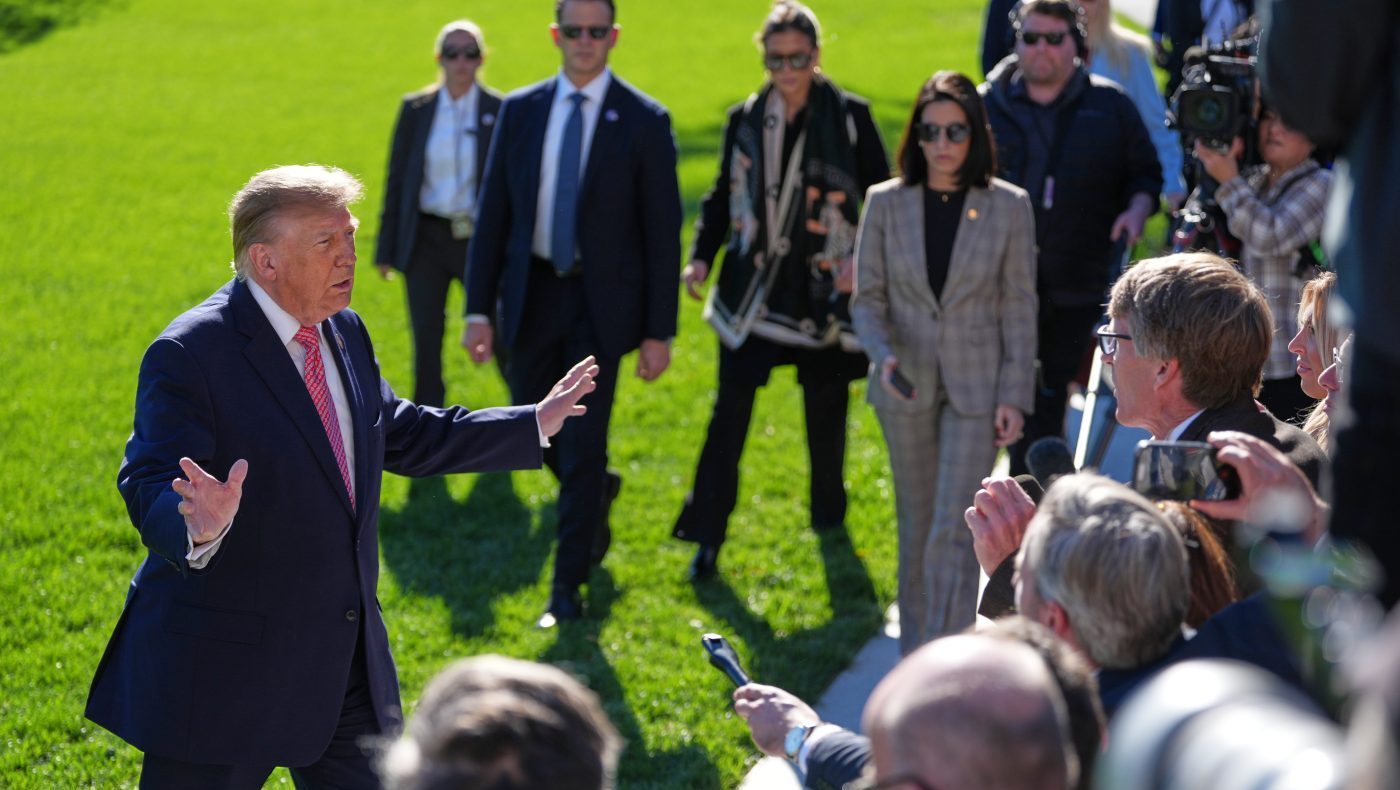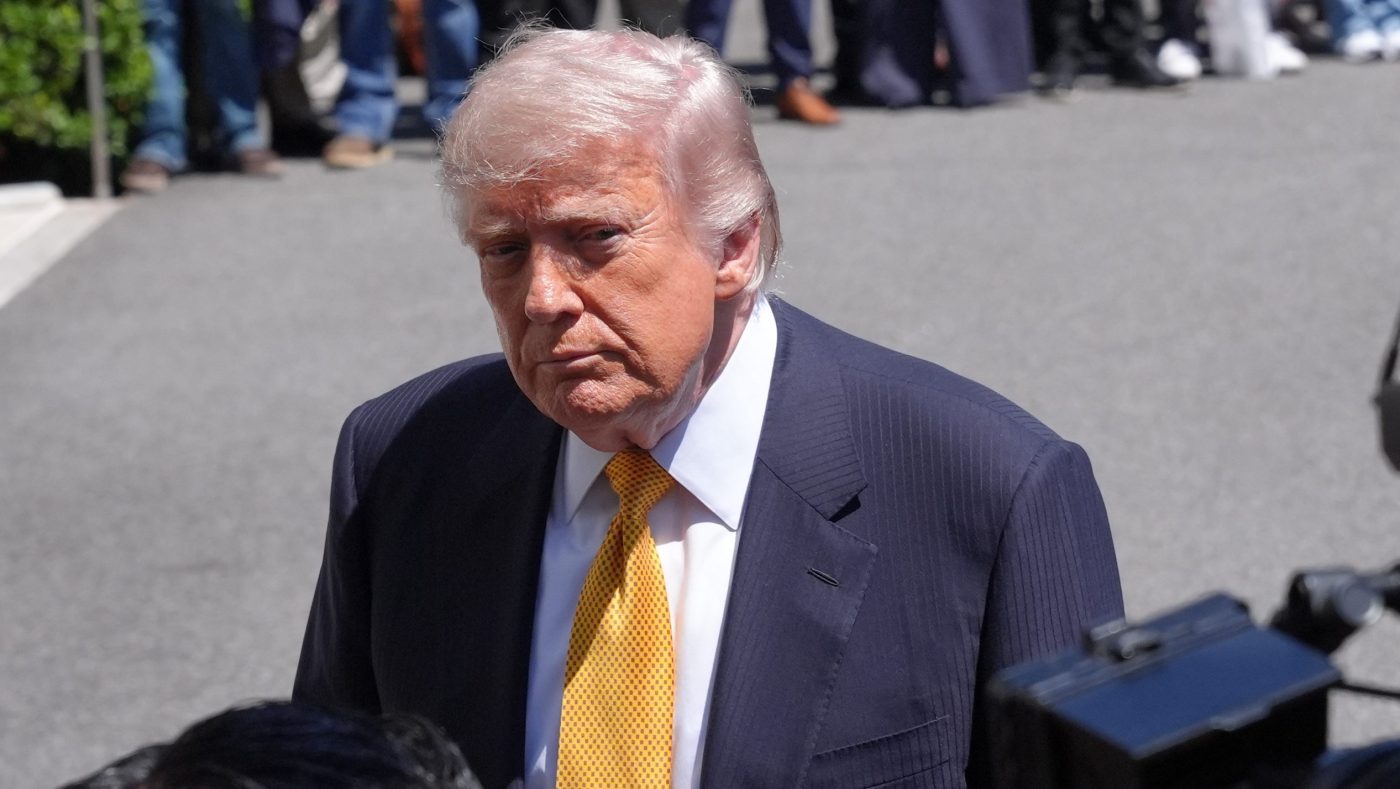
President Trump indicated Tuesday that he will deliberate on a new red line that could effectively terminate the current ceasefire with Iran, following his dismissal of Tehran's latest counteroffer earlier this week. Speaking to reporters before departing for China, Trump said, "We'll be thinking about it on the flight. We'll be thinking about it for the next little while."
The president reiterated his view that the United States has "beaten" Iran's military "very soundly," and touted the effectiveness of the naval blockade. "The blockade is very effective; it's been 100 percent effective, and one way or the other it's going to work out very well," he stated.
When asked whether Chinese President Xi Jinping could facilitate a U.S.-Iran deal, Trump acknowledged the possibility but quickly downplayed any need for external assistance. "I don't think we need any help with Iran to be honest with you," he said. "They'll either do the right thing or we'll finish the job." This stance comes amid a broader debate over whether Trump's $1 trillion investment deal with China might influence diplomatic dynamics in the region.
On Monday, Trump characterized the ceasefire as being on "life support" and "unbelievably weak." He described Iran's counteroffer as a "piece of garbage" and admitted he did not finish reading it. The proposal reportedly included demands for war reparations, Iranian sovereignty over the Strait of Hormuz, and the end of U.S. sanctions—conditions that Washington has consistently rejected.
Trump has maintained that Iran must not acquire a nuclear weapon, yet the counteroffer made no mention of curbing Tehran's nuclear program. Iranian foreign ministry spokesperson Esmail Baghaei told the Wall Street Journal that decisions on the nuclear program would be made "when the time is right," signaling continued ambiguity. This standoff echoes earlier tensions, as a recent court ruling could give Trump a legal avenue for regime change in Iran.
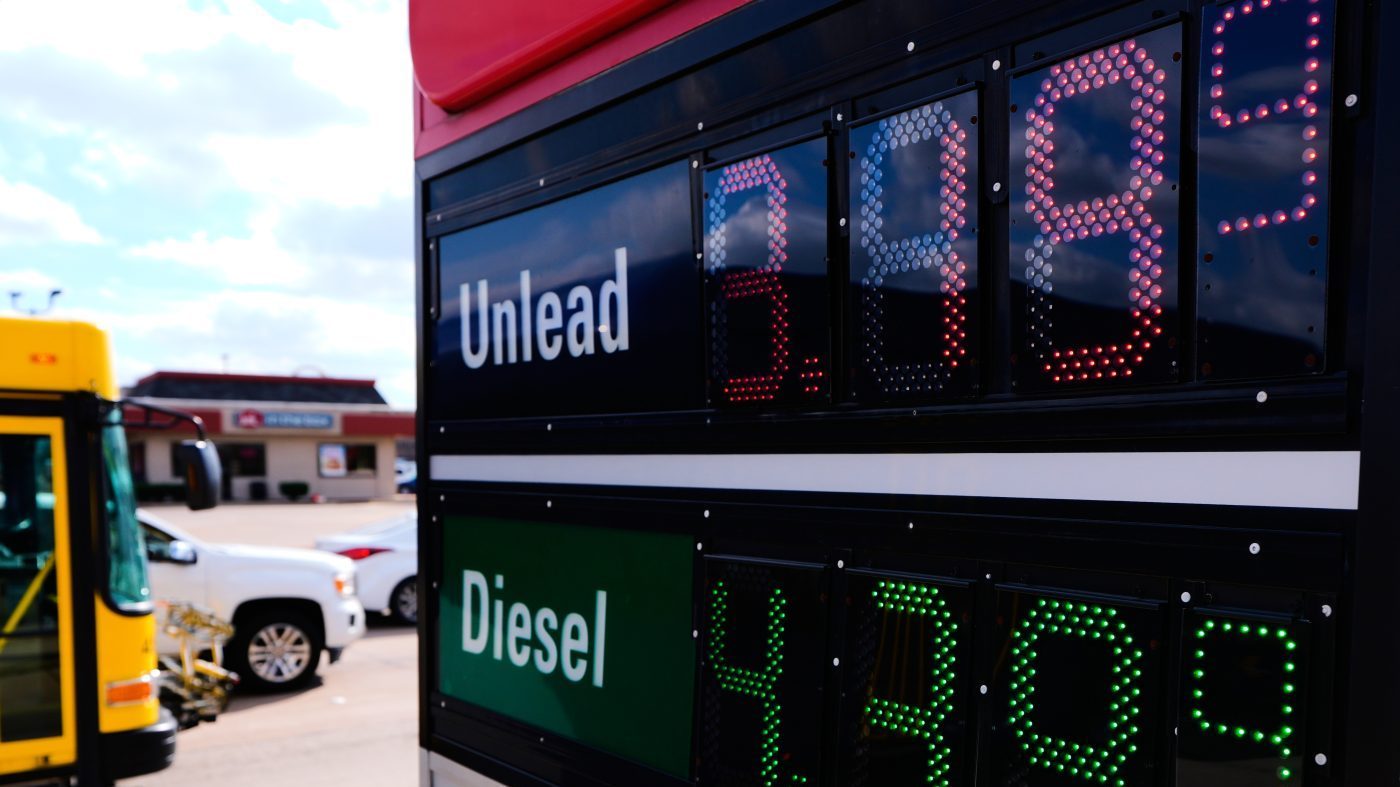
The president's remarks come as economic pressures mount at home. With April inflation hitting 3.8% due to the Iran war, Trump faces growing scrutiny ahead of the midterms. His administration's approach to the ceasefire—and the potential for renewed hostilities—carries significant political and economic stakes.
Critics argue that Trump's dismissive treatment of Iran's offer and his reliance on military pressure could escalate conflict without a clear off-ramp. The president, however, remains confident that the U.S. can impose its terms unilaterally, even as European allies remain skeptical. Defense Secretary Pete Hegseth's recent testimony highlighted that Trump's troop pull from Germany failed to sway Europe on the Iran war, underscoring the diplomatic isolation Washington faces.
As Trump travels to China, the question of whether Beijing will play a mediating role—or simply watch from the sidelines—remains open. For now, the president has made clear that the next move is Iran's, and the clock is ticking.