President Trump warned Wednesday that without the recent memorandum of understanding with Iran, global oil reserves could be depleted within four weeks, sparking what he described as “bedlam.” Speaking at the Group of Seven summit in France, Trump said, “We run out of reserves at about four weeks.” He added, “There are reserves all over the world, and we would really run out, and there’ll be a time when you wouldn’t be able to get it.”
Trump’s comments came as he defended the deal, which he said allows oil tankers to transit the Strait of Hormuz. “What this does is it allows the ships to go,” he said. “If we keep bombing, those ships won’t be going.” The president’s remarks underscored the high stakes of the agreement, which has been the centerpiece of the G7 discussions.
It remains unclear whether Trump was referring to U.S. strategic reserves or global inventories. The White House declined to clarify. The International Energy Agency (IEA) has repeatedly warned that reserve releases are temporary. IEA head Fatih Birol noted last month that commercial inventories could be exhausted in just weeks due to the war and the closure of the strait. “The reserves are not endless,” Birol said.
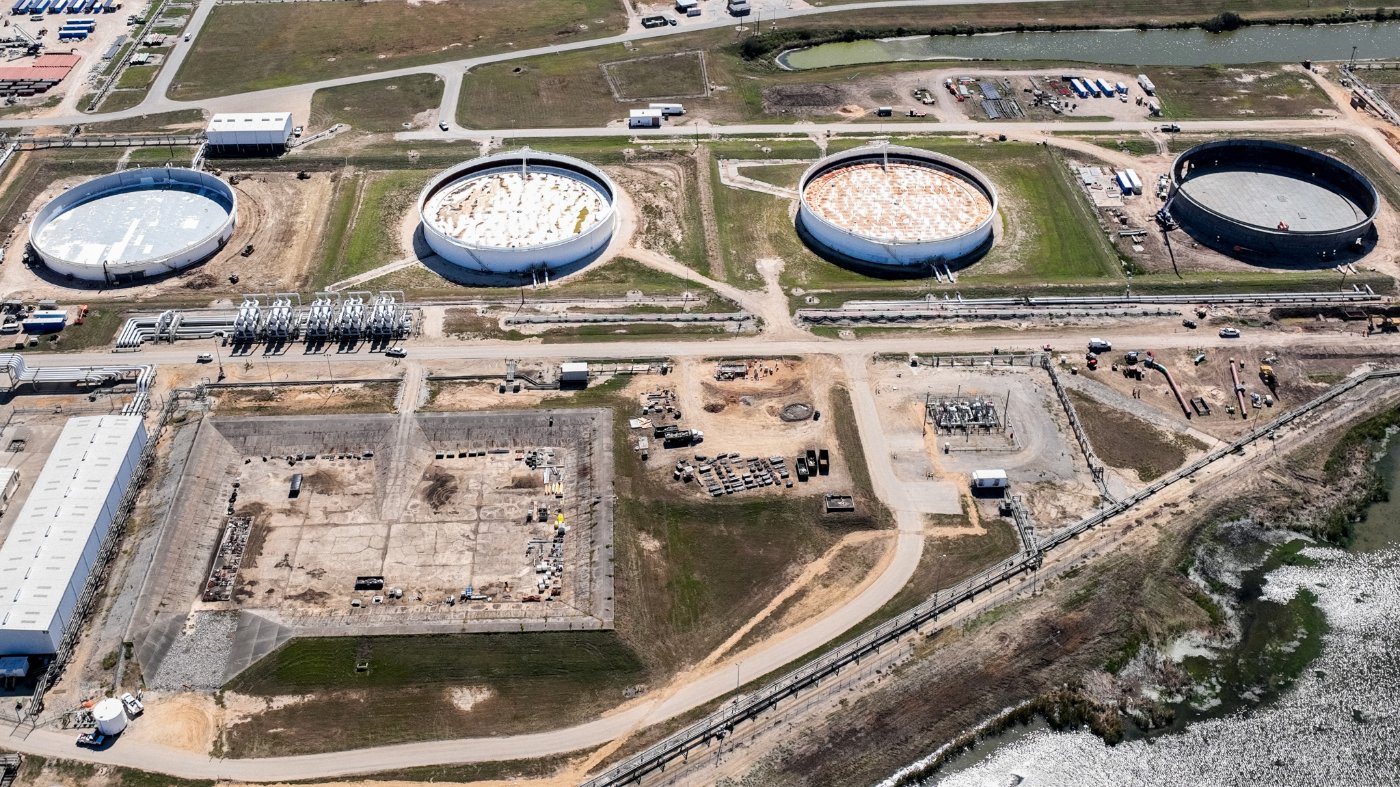
The IEA also projected in May that oil demand would outstrip supply this year. At the onset of the conflict, the U.S. and other IEA nations agreed to release 400 million barrels from strategic reserves, with the Trump administration committing 172 million barrels over 120 days. The U.S. Strategic Petroleum Reserve then held about 415 million barrels, but data released this week shows it has fallen to roughly 340 million barrels—its lowest level since 1983.
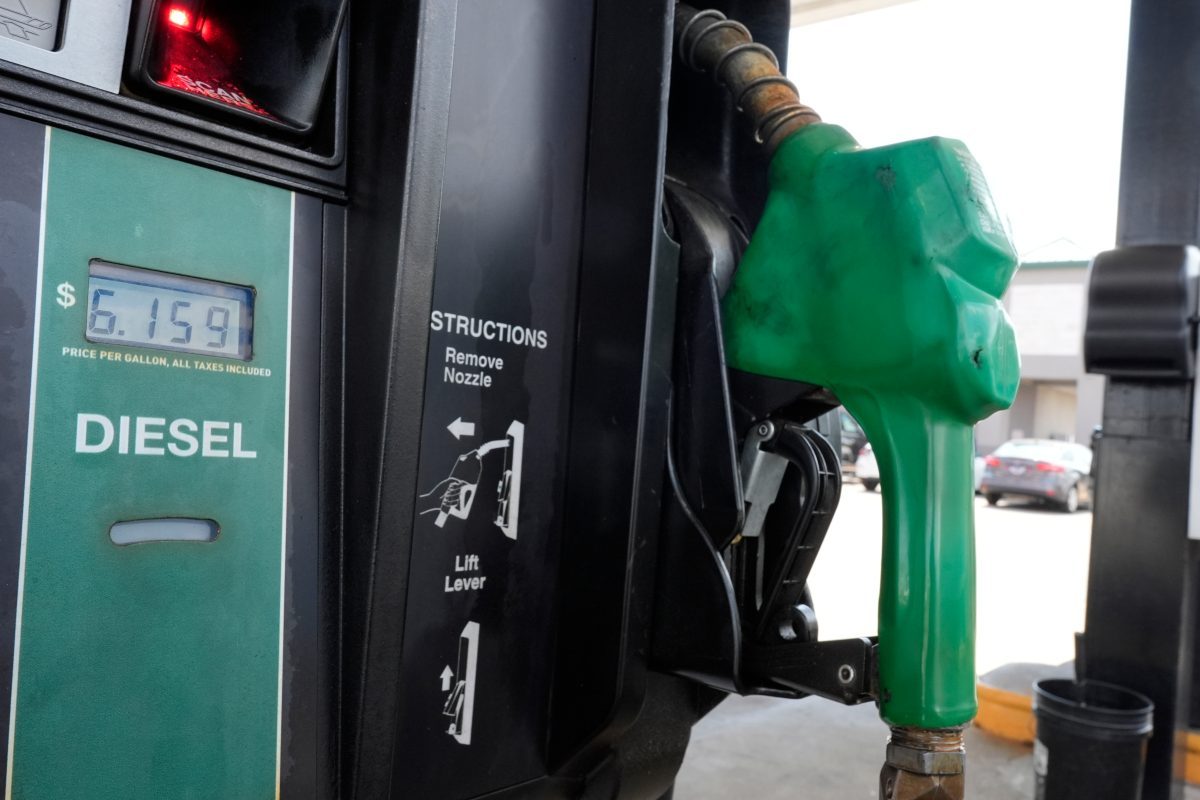
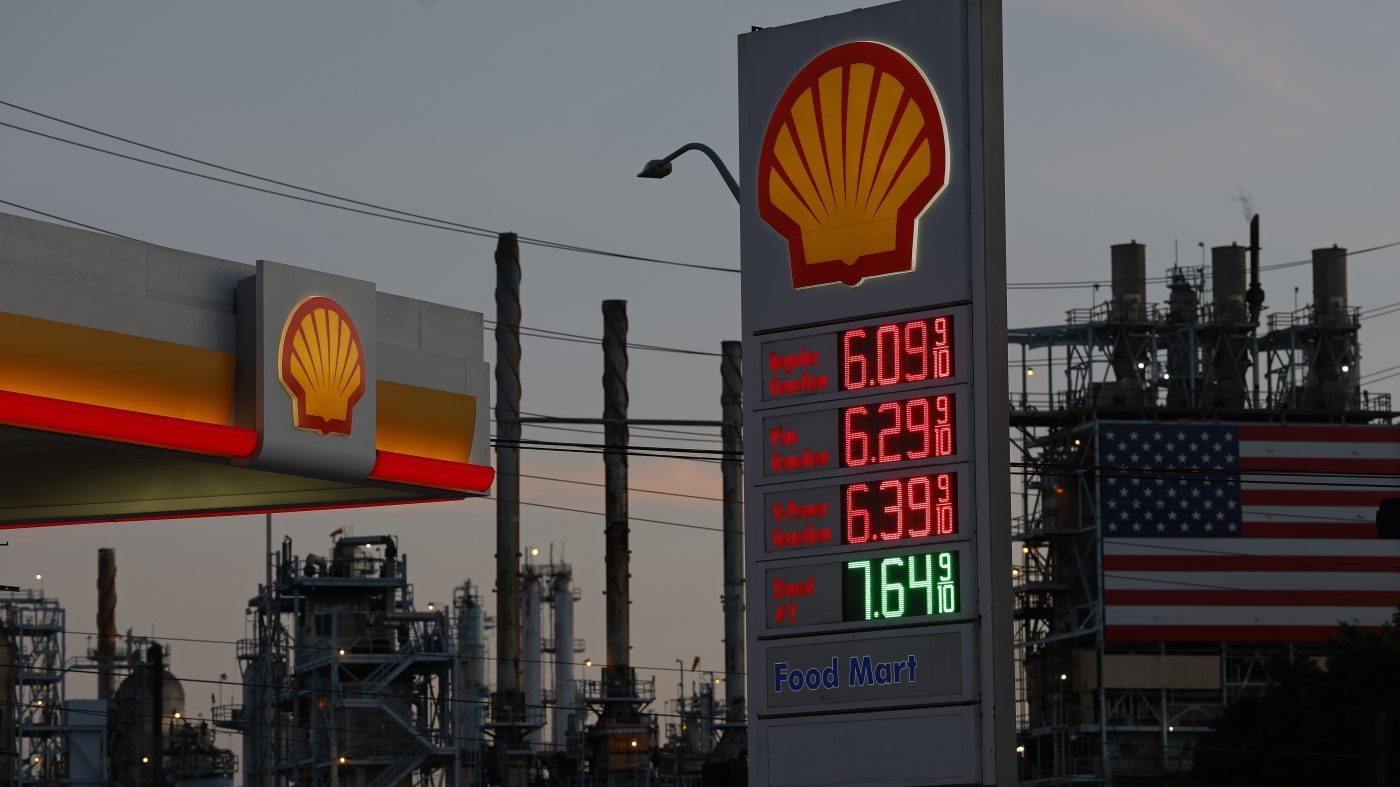
The Strait of Hormuz, through which about one-fifth of the world’s oil flows, was effectively closed by the war. Its blockade sent oil prices soaring and raised costs at the pump for consumers. Trump’s warning of “bedlam” echoes his earlier rhetoric that the Iran deal was essential to avoid economic chaos. The agreement, however, has drawn criticism from some allies and lawmakers, who question its long-term viability.
At the G7, Trump declared himself “the boss” as the Iran deal stole the show, according to reports. He also joked that Vice President Vance would take the blame if the deal collapses, and reprimanded Israeli Prime Minister Netanyahu over Hezbollah strikes as the deal neared. The summit highlighted deep divisions among world leaders over how to handle Tehran.
Energy analysts note that the rapid drawdown of strategic reserves leaves the U.S. vulnerable to future supply shocks. The Trump administration has invoked a Cold-War era law to fast-track munitions after the Iran war depleted stocks, signaling the broader military and economic strains of the conflict. As the G7 leaders return home, the focus shifts to whether the memorandum can hold and prevent the oil crisis Trump described.