The U.S. Department of Energy is turning to the private sector to transform a Cold War-era uranium enrichment facility in Kentucky into a massive artificial intelligence data center complex, complete with its own natural gas power plant and battery storage. The project, valued at $100 billion, is part of a broader push to repurpose federal nuclear sites for AI infrastructure and to bolster American competitiveness against China.
On Wednesday, the DOE announced it had selected Brookfield Asset Management, a New York-based investment firm, to develop and operate the data center at the Paducah Gaseous Diffusion Plant, a sprawling 3,550-acre site that once enriched uranium for nuclear weapons and reactors. The facility, which ceased operations in 2013, is still undergoing extensive environmental cleanup. A similar deal was struck in March for the Portsmouth Gaseous Diffusion Plant in Ohio, signaling a pattern of converting decommissioned nuclear sites into technology hubs.
Energy Secretary Chris Wright framed the initiative as a strategic necessity, stating that the federal government is turning former DOE facilities into “engines of innovation and economic growth” to ensure the U.S. wins the AI race. Speaking on Fox News, Wright highlighted the expected benefits: “There will be a lot of new natural gas power plants, a large data center, thousands of jobs and tens of billions of dollars of investment in rural western Kentucky.”
The Paducah project will be built in phases, with construction expected to be completed by 2031. Brookfield, which manages over $1 trillion in assets, estimates that roughly 30% of the $100 billion will go toward construction of the data center and power infrastructure, while the remainder will be spent on servers, routers, and semiconductor chips. The company is already in discussions with commercial partners to lease the data center space.
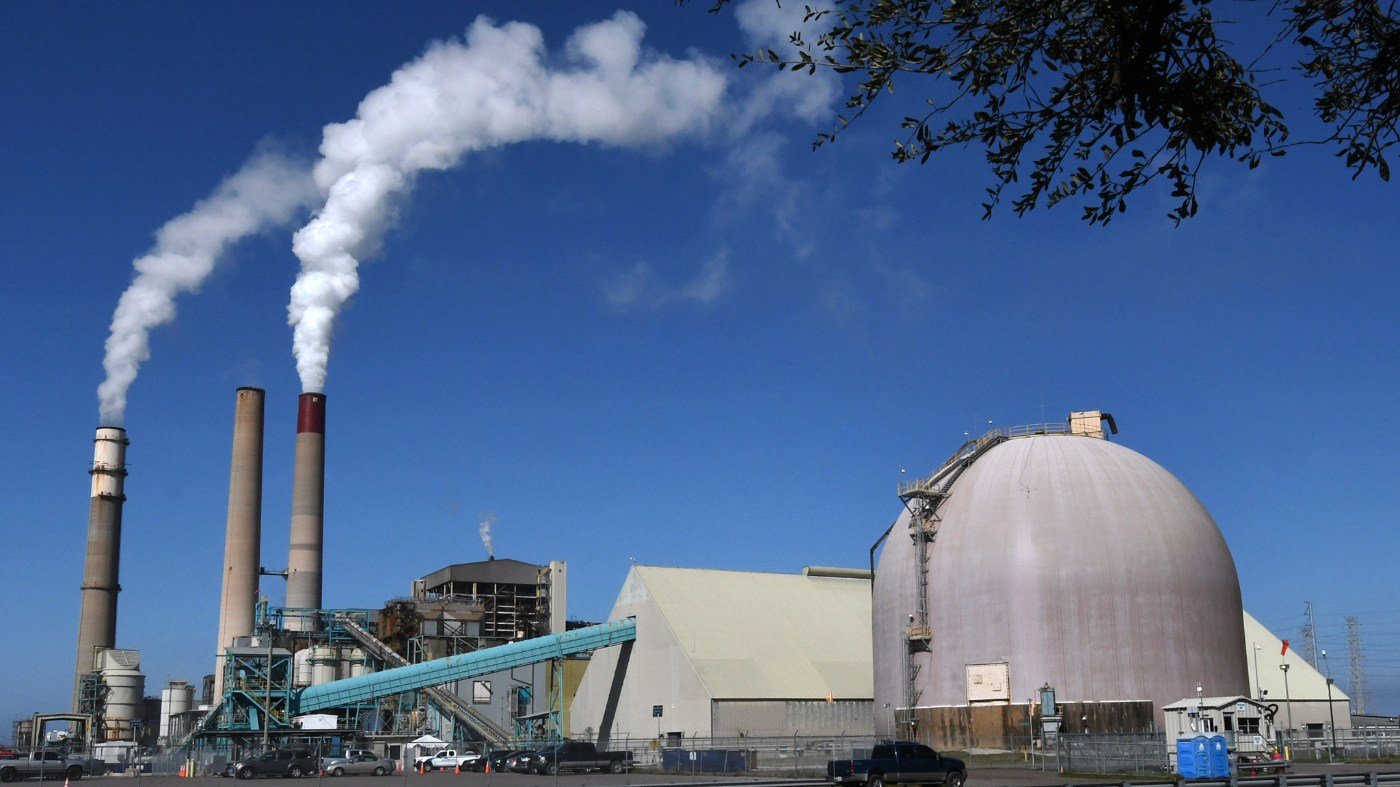
NextEra Energy, a Florida-based power giant, will build and own the energy components, including 2 gigawatts of natural gas-fired generation, 2.6 gigawatts of battery storage, and transmission upgrades to support a 1.8-gigawatt AI data center campus. The gas plant would be the largest in Kentucky, capable of powering about 750,000 homes per gigawatt. Excess electricity will be sold to the regional grid, subject to state regulatory approval.
However, the project has drawn scrutiny from local and environmental groups. A newly formed coalition, Protect McCracken County, is questioning the safety of developing the site, which sits beside the Ohio River, a drinking water source for 5 million people downstream. They are calling for an independent environmental impact study, arguing that the contamination and water withdrawal risks have not been adequately assessed.
Byron Gary, a senior attorney with the Kentucky Resources Council, expressed concerns about the climate implications of a large gas-fired plant and the potential for ratepayers to subsidize the project's power costs. He also warned against the DOE bypassing permitting processes to expedite development, stating, “There shouldn’t be a justification to get around that and end up potentially dumping a lot more burden on a rural community that can’t afford it.”
The DOE has projected that cleanup at Paducah will cost about $17 billion and last until 2065, including demolition, groundwater treatment, and waste removal. In the meantime, the department is exploring plans to supply some of the site's stored uranium waste to companies that would re-enrich it for use in commercial reactors, adding another layer of complexity to the site's future.
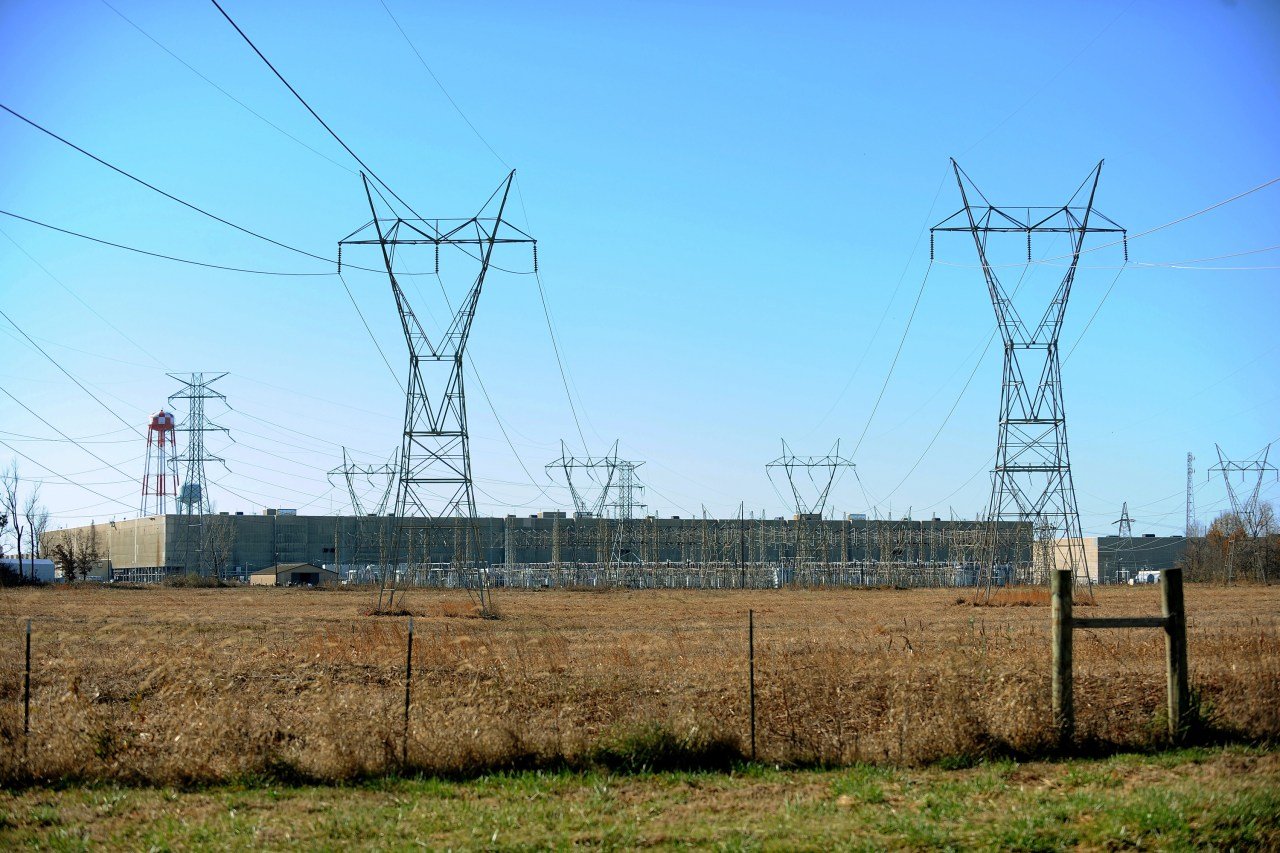
This initiative comes amid growing national debate over the strain that data centers place on the aging U.S. power grid, as highlighted in recent analyses of grid reliability risks. The project also intersects with broader political tensions over AI's environmental and social costs, a topic that has become a flashpoint in the upcoming midterm elections, with data centers emerging as a surprise issue. While the DOE touts the economic benefits, critics argue that the rush to build AI infrastructure could exacerbate climate change and burden rural communities.