With 98 days until the midterm election, the issue that could dominate races from local commissions to Congress is one few predicted a year ago: data centers. While Democrats push affordability and Republicans warn of communism, a new concern has surged across the political spectrum, uniting red and blue states in unexpected opposition.
President Trump convened utility CEOs this week to discuss the data center boom, even as 15 states—including both New York and Texas—have banned or paused new construction. International pushback is growing too; an Italian headline recently asked, “Will we have enough electricity for all data centers?”

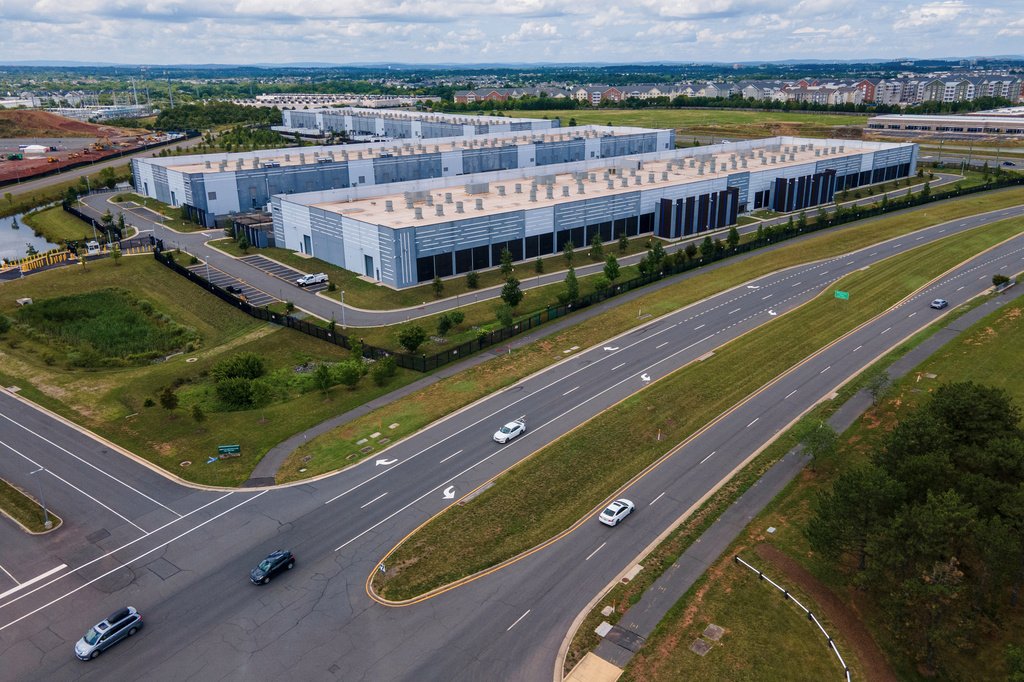
The crisis is largely self-inflicted. America’s addiction to smartphones, social media, and AI has driven explosive demand for data centers, which now number over 3,000 nationwide. Virginia leads with 398, followed by Texas (296) and California (277). Drive along Route 66 toward Manassas, Virginia, and you’ll see sprawling, warehouse-like structures housing little more than servers and cooling equipment.
Trump insists communities are “begging” for these facilities, promising lower taxes, “tremendous numbers of jobs,” and minimal disruption. But an Emerson College poll from July 19-20 tells a different story: 63% of Americans oppose data centers in their own communities, citing economic and environmental fears.
Job creation, a key selling point, is often overstated. Construction jobs last one to two years; once operational, a large data center employs only dozens to a few hundred technicians—hardly enough to offset the generous tax breaks local governments offer. Water consumption is another flashpoint: evaporative cooling systems can use millions of gallons daily, sparking conflicts in drought-prone regions like the Southwest.
The biggest challenge is electricity. Demand is outstripping supply on an aging national grid, and building new transmission lines could take decades—costs that consumers would ultimately bear. This has made data centers a political hot button, with Ohio fast-tracking gas approvals for new facilities, a move that has sparked local backlash.
The issue is now a litmus test for candidates. In Texas, Senate hopefuls are pushing for AI oversight as the data center boom accelerates. Meanwhile, Trump has expanded his power pledge for data centers, balancing praise with concerns over consumer costs.
For voters, the answer is clear: data centers are welcome—just not in their backyard. Politicians of both parties should take note.