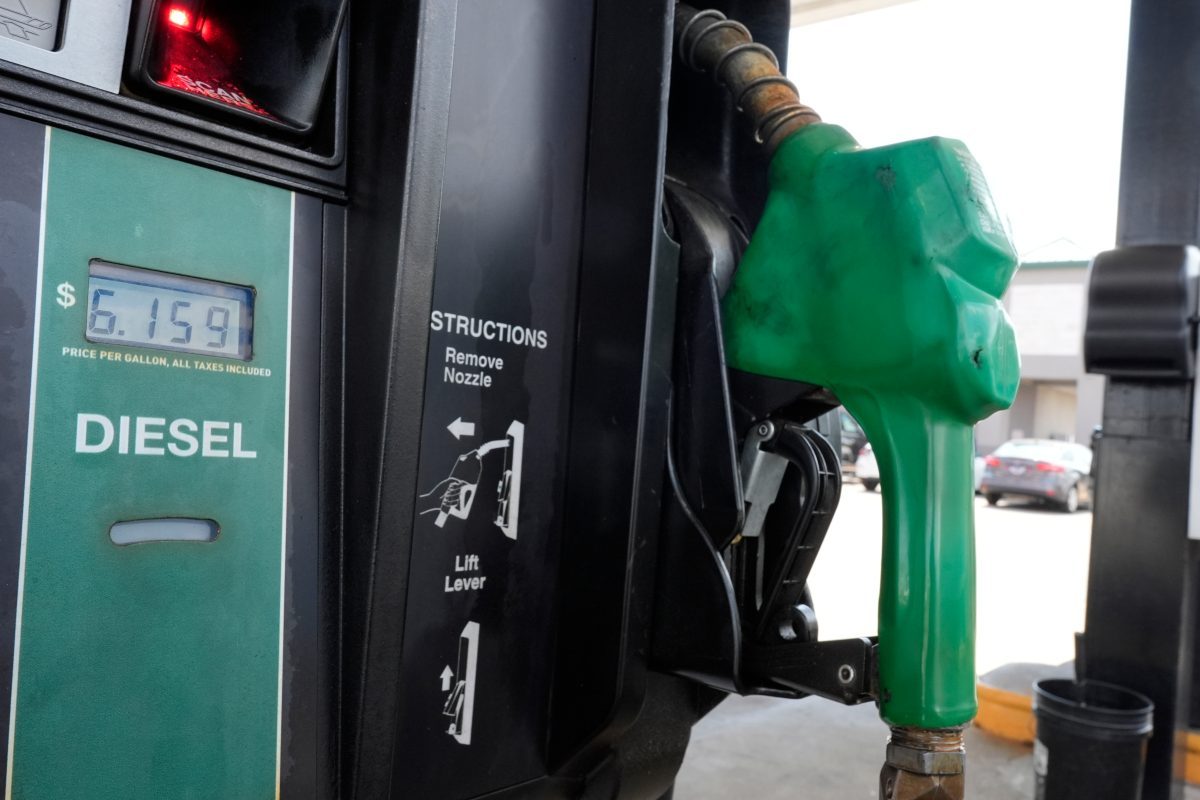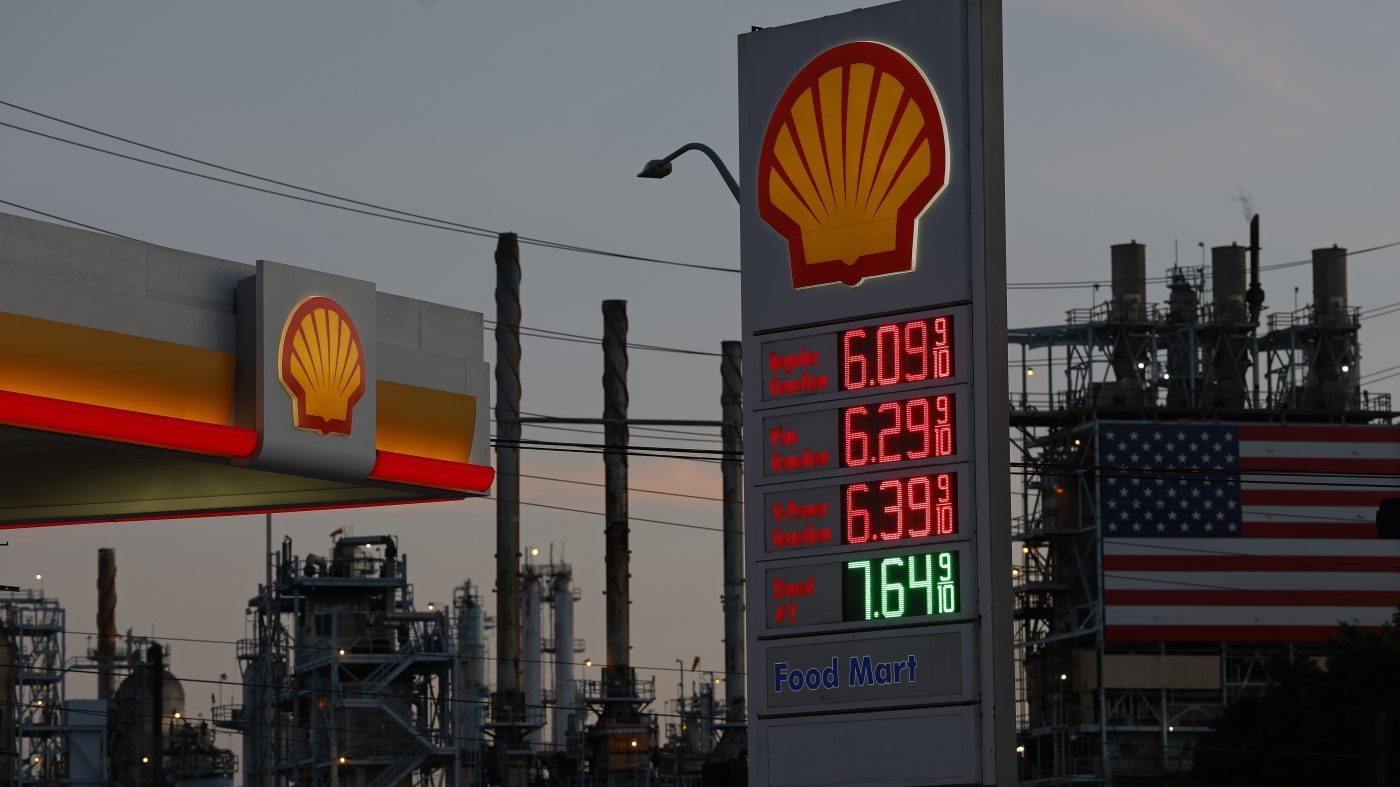
The world is in the throes of an energy crisis, with conflicts in Iran and Ukraine sending prices soaring. Missiles and drones have targeted oil tankers and nuclear facilities, while the threat of covert weapons programs looms. Meanwhile, fossil fuel pollution claims one in five lives, and climate disasters are intensifying, with recent European heatwaves and wildfires causing thousands of deaths and billions in losses.
In response, the Abundance movement, championed by Ezra Klein and Derek Thompson, has emerged, advocating for plentiful, clean energy. Yet, as its proponents admit, it lacks a concrete plan. The problem lies in a narrow focus on boosting supply, which reinforces false choices, overlooks customer-side opportunities, and risks wasteful overproduction. For example, indoor farming requires a hundred times more energy per harvest than outdoor agriculture, and sprawling solar arrays consume vast land.
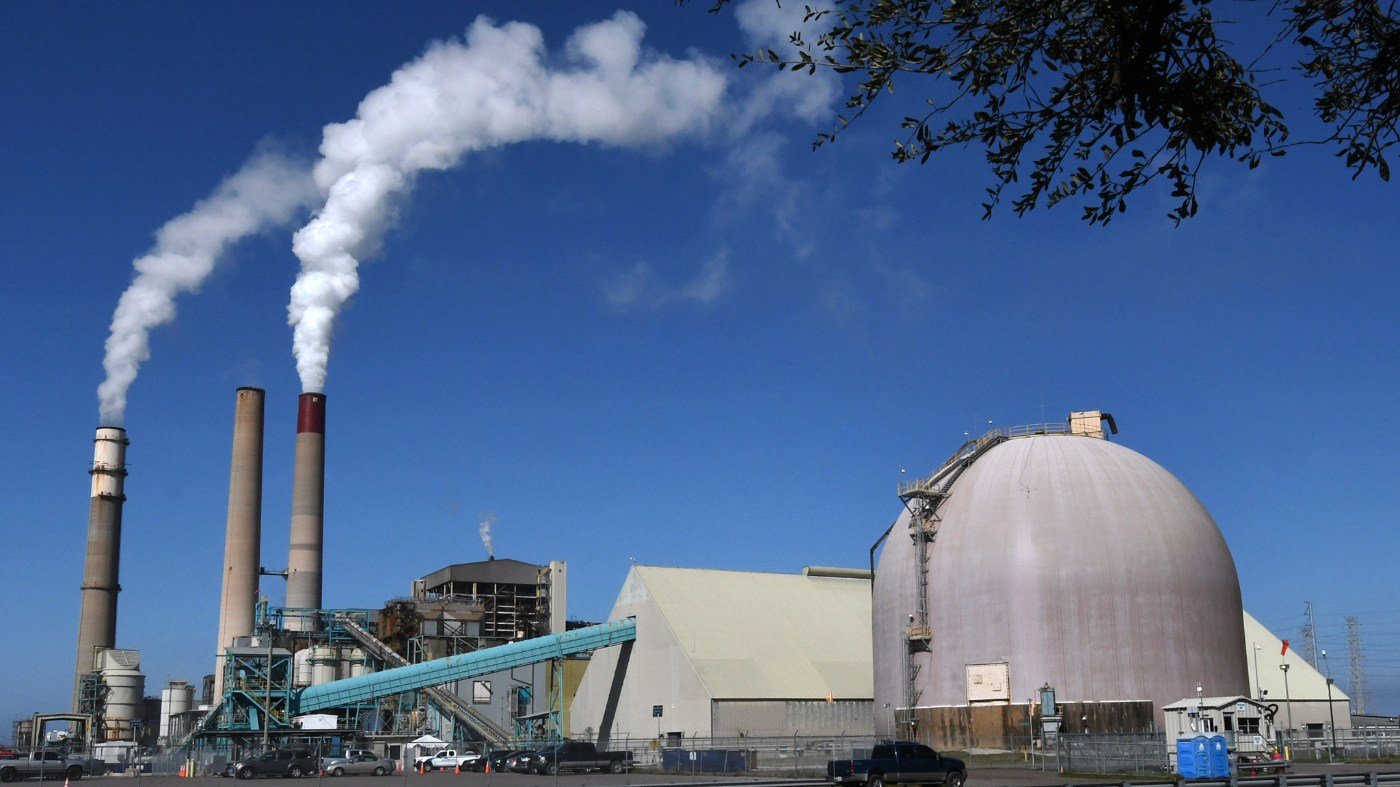
The movement also falls into the 'primary energy fallacy,' equating raw energy with useful energy. In reality, two-thirds of fossil fuels are wasted as heat before reaching consumers. The same work can be done with far less energy through efficient, combustion-free renewables. Efficiency may be less glamorous than windmills, but it is more powerful and avoids the NIMBY backlash that supply-side projects often face.
Efficiency is not about sacrifice or degrowth. Consumers want services like comfort, light, and transport, not barrels of oil. 'Electro-efficiency,' a term coined by Oxford's Jan Rosenow, is key. Heat pumps use 75% less energy than furnaces, LEDs use 90% less than incandescent bulbs, and electric cars use three to six times less energy than gas-powered vehicles. These technologies also offer superior quality: electrified homes are more comfortable, induction cooking is safer, and EVs are quieter and faster, charging at home and serving as backup power.
The economic case is compelling. Wartime oil prices have hit twice the cost of solar, and EV charging in many states is equivalent to gas below $2 a gallon. This allows economies to grow while reducing consumption—true energy abundance. Efficiency and renewables are also domestic and secure, insulating nations from geopolitical shocks.
Renewable projects are built faster and with fewer cost overruns than fossil or nuclear plants, and efficiency measures deploy even quicker. After Ukraine cut off German gas, heat pump installations tripled, now accounting for half of all heating systems. However, the Abundance movement rightly criticizes bureaucratic obstacles. In the U.S., rooftop solar costs three times more and serves only 9% of homes, versus 40% in Australia, due to red tape.
To accelerate progress, the movement suggests relaxing environmental rules and centralizing authority, but this risks public trust. Instead, upgrading existing transmission lines can double capacity without new environmental damage, and localized microgrids enhance reliability. Consumer-side efficiency, thermal batteries, and distributed storage can shift demand and support the grid, with virtual power plants aggregating hundreds of thousands of systems to act when needed.
These strategies empower consumers and embody abundance. The transition is already underway: electric vehicles are saving nearly as much oil as Iran was shipping through the Strait of Hormuz before the war. True energy abundance is not just a vision—it's happening, it's irreversible, and it's elegant.