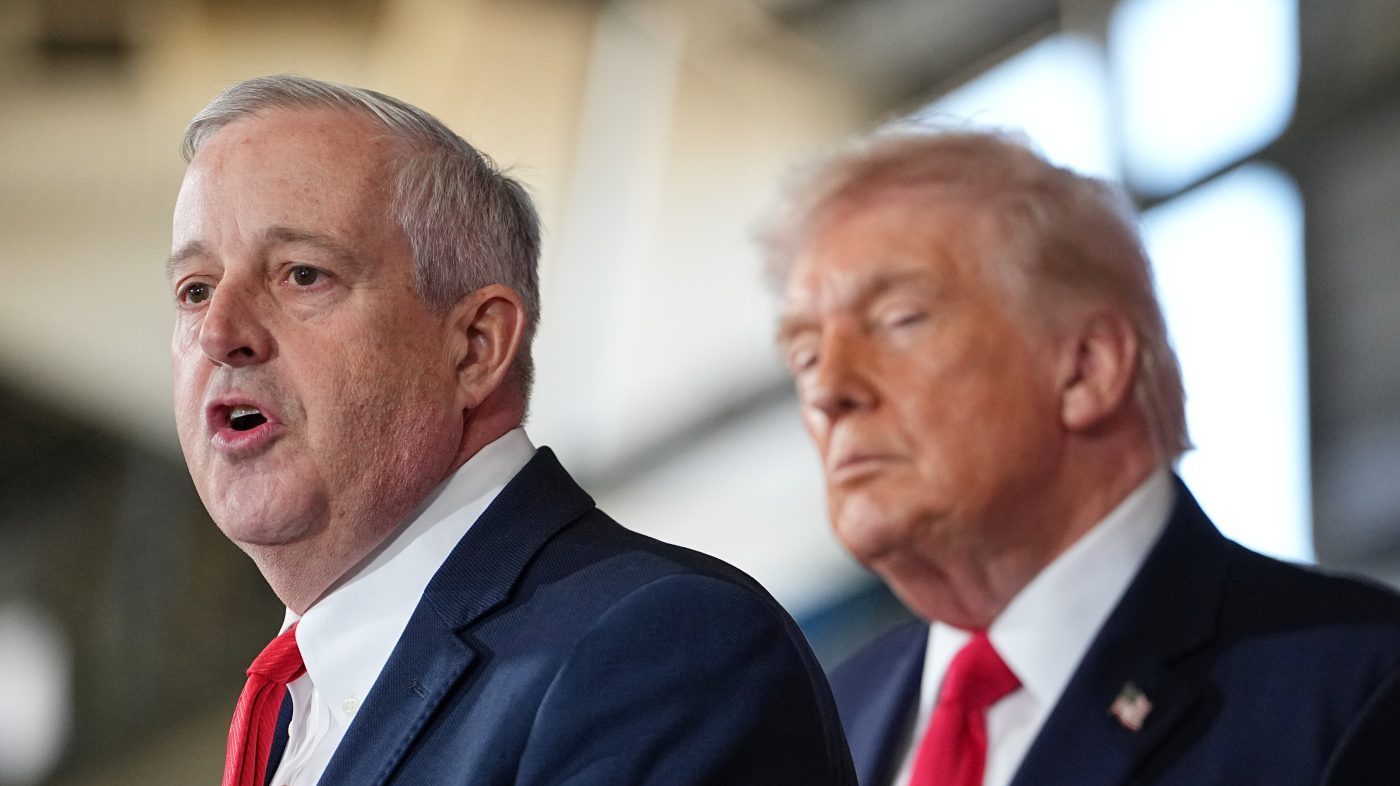
President Trump returns to the campaign trail Wednesday evening with a rally in North Carolina aimed at shoring up support for Republican Senate candidate Michael Whatley, the former Republican National Committee chairman. Recent polling shows Whatley trailing his Democratic opponent, former Governor Roy Cooper, in the race for the state's open Senate seat. Trump had encouraged Whatley to run in 2025 after his daughter-in-law, Lara Trump, opted out of the contest.
Whatley was among the GOP figures who gathered at the party's inaugural midterm convention last week, where he joined other candidates and officials in rallying the base. The North Carolina contest is seen as a key test of Trump's political influence as he seeks to shape the midterm landscape.
Meanwhile, Capitol Hill is bustling with hearings as the House prepares to break for recess. Lawmakers are set to examine a range of national security matters, including the evolution of counterterrorism in the 25 years since the 9/11 attacks, efforts to maintain U.S. leadership in the global biotechnology race, and the ongoing strategic competition with China. These hearings underscore the administration's focus on both traditional and emerging threats.
On the Senate side, several of Trump's nominees for top public health regulatory posts are scheduled to face confirmation hearings. One notable session will feature Nicole Saphier, the president's third pick for surgeon general. Her nomination has drawn attention amid ongoing debates over public health policy and agency leadership.
The Federal Reserve is set to address interest rates Wednesday afternoon, with markets expecting a hike as inflation continues to run hot. The central bank is also contending with the economic fallout from the Iran war, which has added to price pressures and uncertainty. The decision will be closely watched by investors and policymakers alike.
Trump has publicly pressured the Fed to cut rates, but the central bank under acting chair Kevin Warsh appears poised to move in the opposite direction. The tension between the White House and the Fed highlights the broader economic challenges facing the administration, including the fiscal implications of Trump's campaign promises. Some analysts warn that his proposed $5,000 payments to voters could further strain the federal budget.
The president's rally in North Carolina comes as Republicans grapple with a difficult midterm environment, with Trump's record and policy agenda weighing on the party's prospects. Democrats have sought to tie GOP candidates to unpopular elements of the administration's agenda, including its handling of the economy and foreign policy.
In a related development, the House recently voted to curb Trump's military actions in Iran, a 220-204 rebuke that reflects growing bipartisan unease over the administration's approach to the conflict. That vote, along with the Fed's rate decision, underscores the volatile political and economic landscape as the campaign season heats up.
For Whatley, the rally is a chance to energize the GOP base and close the gap with Cooper, who remains popular in the state. Trump's endorsement could provide a boost, but the president's own approval ratings and the broader political headwinds may complicate the effort. As the midterms approach, both parties are closely watching North Carolina as a bellwether for the national mood.