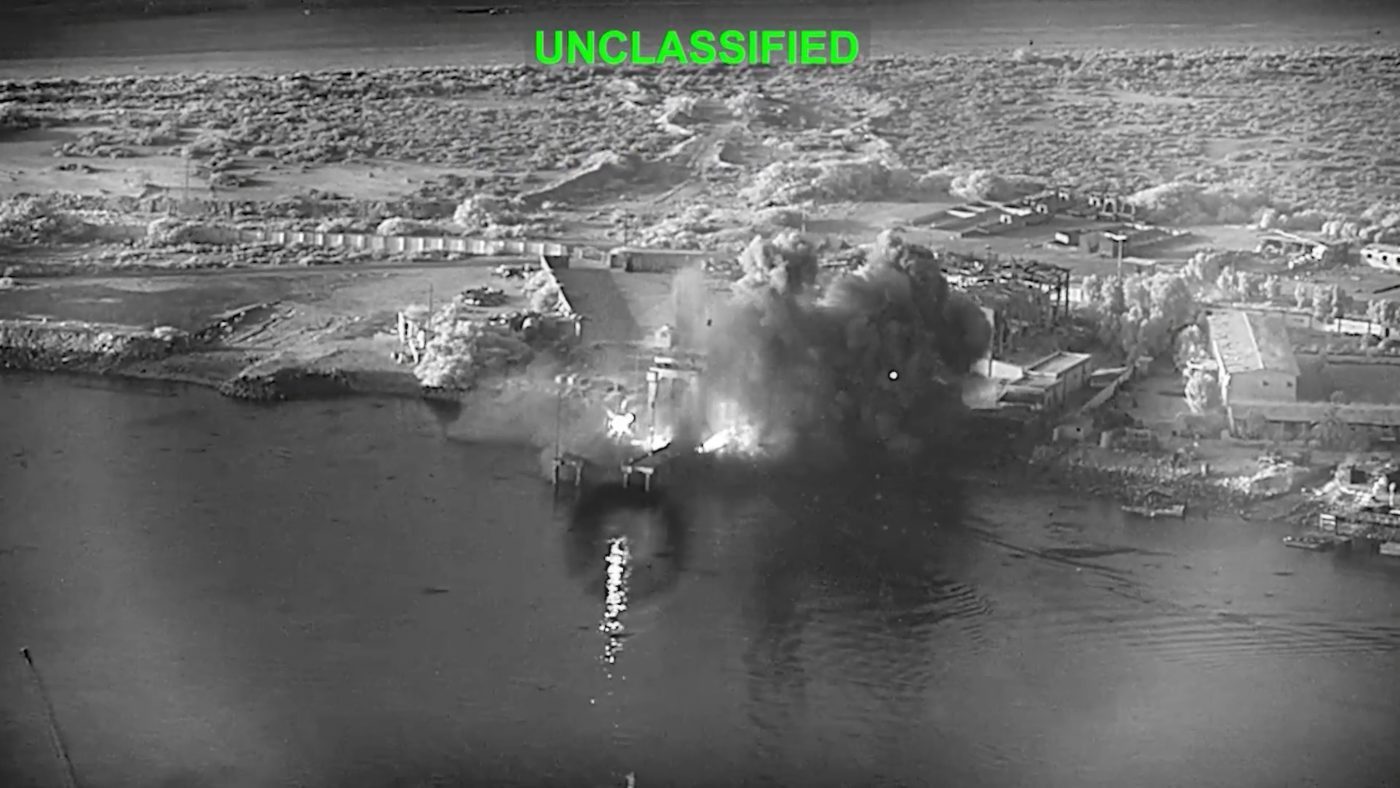
The House on Tuesday delivered a bipartisan rebuke to President Trump's Iran policy, passing a war powers resolution that would restrict his ability to conduct military operations against Tehran without congressional approval. The 220-204 vote marked the third time the chamber has approved such a measure, but the level of Republican support grew from four to seven, signaling growing unease with the administration's handling of the conflict.
The measure, sponsored by Rep. Seth Moulton (D-Mass.), now heads to the Senate, where its fate remains uncertain. Seven Republicans broke with their party to support the resolution: Reps. Thomas Massie (Ky.), Brian Fitzpatrick (Pa.), Warren Davidson (Ohio), Tom Barrett (Mich.), Mariannette Miller-Meeks (Iowa), Zach Nunn (Iowa), and Nancy Mace (S.C.).
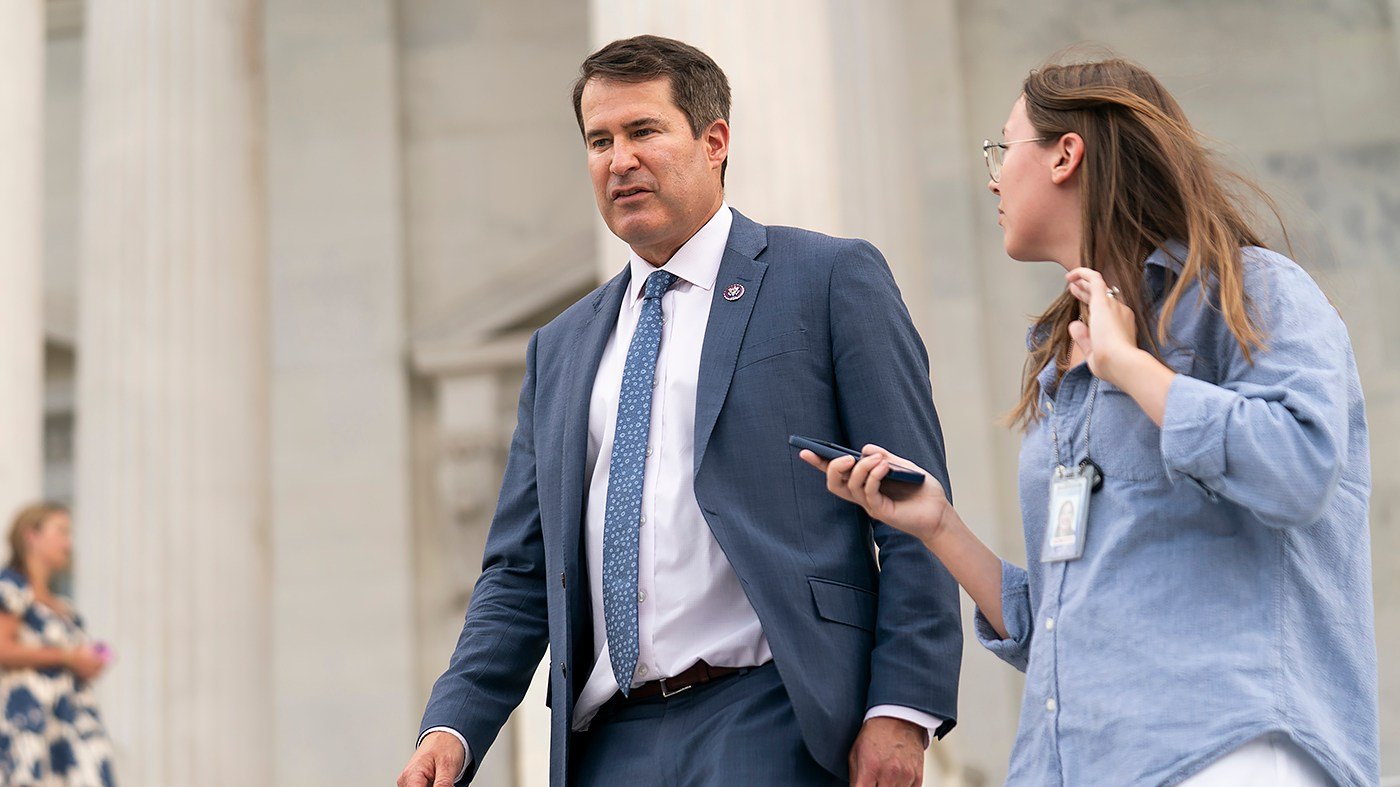
Rep. Gregory Meeks (D-N.Y.), the top Democrat on the House Foreign Affairs Committee, argued on the floor that the administration has waged an unauthorized war. "This Congress has not authorized a war with Iran. And yet this administration has kept our troops in harm's way, without a declaration of war, without an authorization from Congress and without any plan for how to win or end the war," Meeks said.
Meeks also highlighted the human and financial toll: "19 fallen service members, and more than 750 service members wounded, extended troop deployments, and billions of dollars in additional spending. The president's mismanagement of this war has hurt America's ability to prepare for future threats."
The Pentagon's watchdog released a report Monday estimating that U.S. diplomatic facilities in four Gulf countries sustained roughly $184 million in damages from Iranian strikes. That figure adds to the escalating costs of the conflict, which began in late February. The Pentagon informed congressional defense committees last month that the war's price tag has reached at least $42 billion.
A nonpartisan Congressional Budget Office analysis projects the conflict could spike inflation early next year and cost at least $2 billion per month as long as it continues. The human cost is equally stark: 18 U.S. service members killed and more than 800 wounded in the six-month-plus war. Over 50,000 American troops remain deployed to the region, with no clear exit strategy from the administration.
President Trump has suggested the war would end "immediately" after November's midterm elections, a statement that drew skepticism from critics who note the lack of a concrete plan. The resolution's passage comes as cabinet officials face scrutiny over political activities, and as debates over leadership and accountability continue to roil Washington.
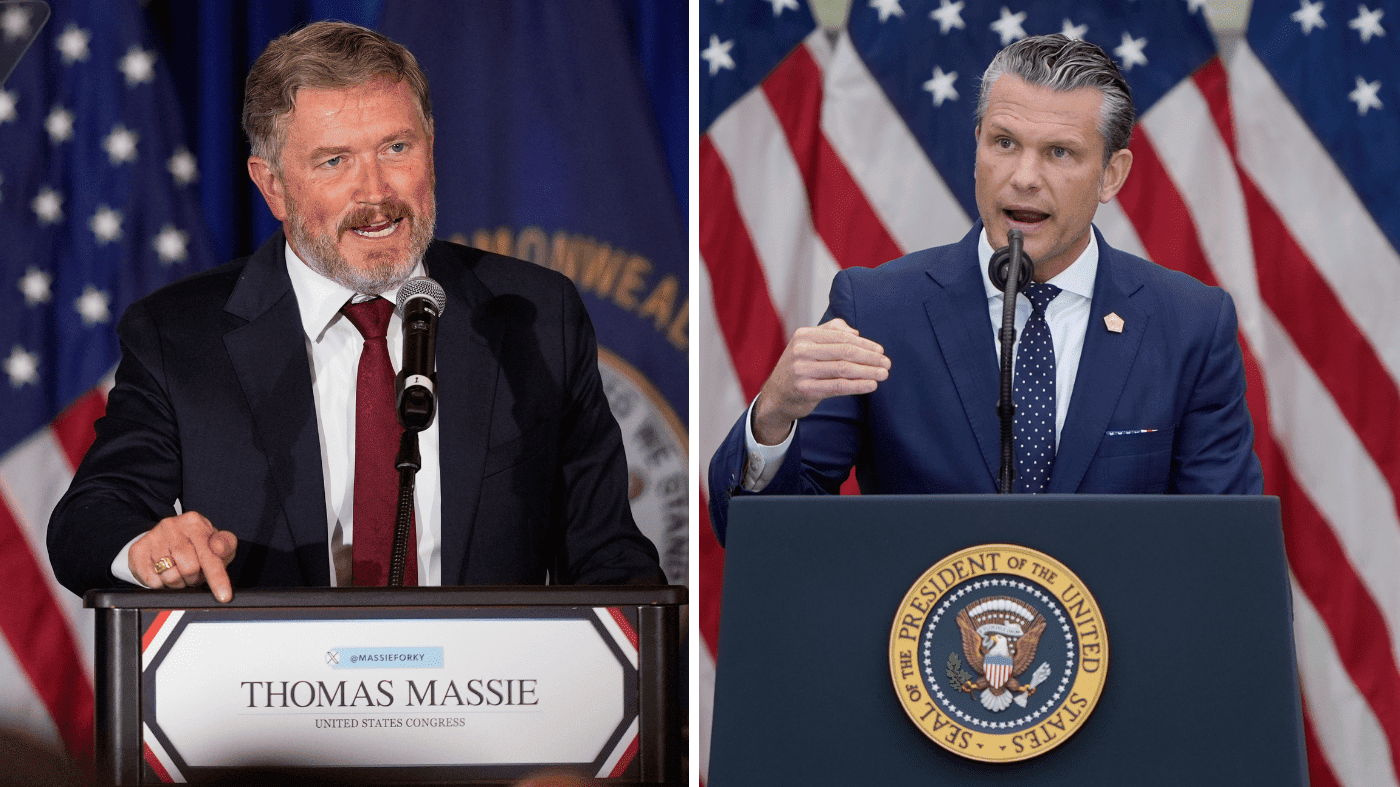
In a related development, Rep. Massie on Tuesday introduced articles of impeachment against Defense Secretary Pete Hegseth, accusing him of launching an illegal war without congressional approval. The move underscores the depth of frustration among some lawmakers over the administration's conduct of the conflict.
The war powers resolution now moves to the Senate, where its prospects are unclear. Supporters argue it is a necessary check on executive power, while opponents contend it undermines the president's authority to protect U.S. interests. The vote reflects a broader shift in political dynamics as the midterms approach, with Iran policy emerging as a key issue for voters.