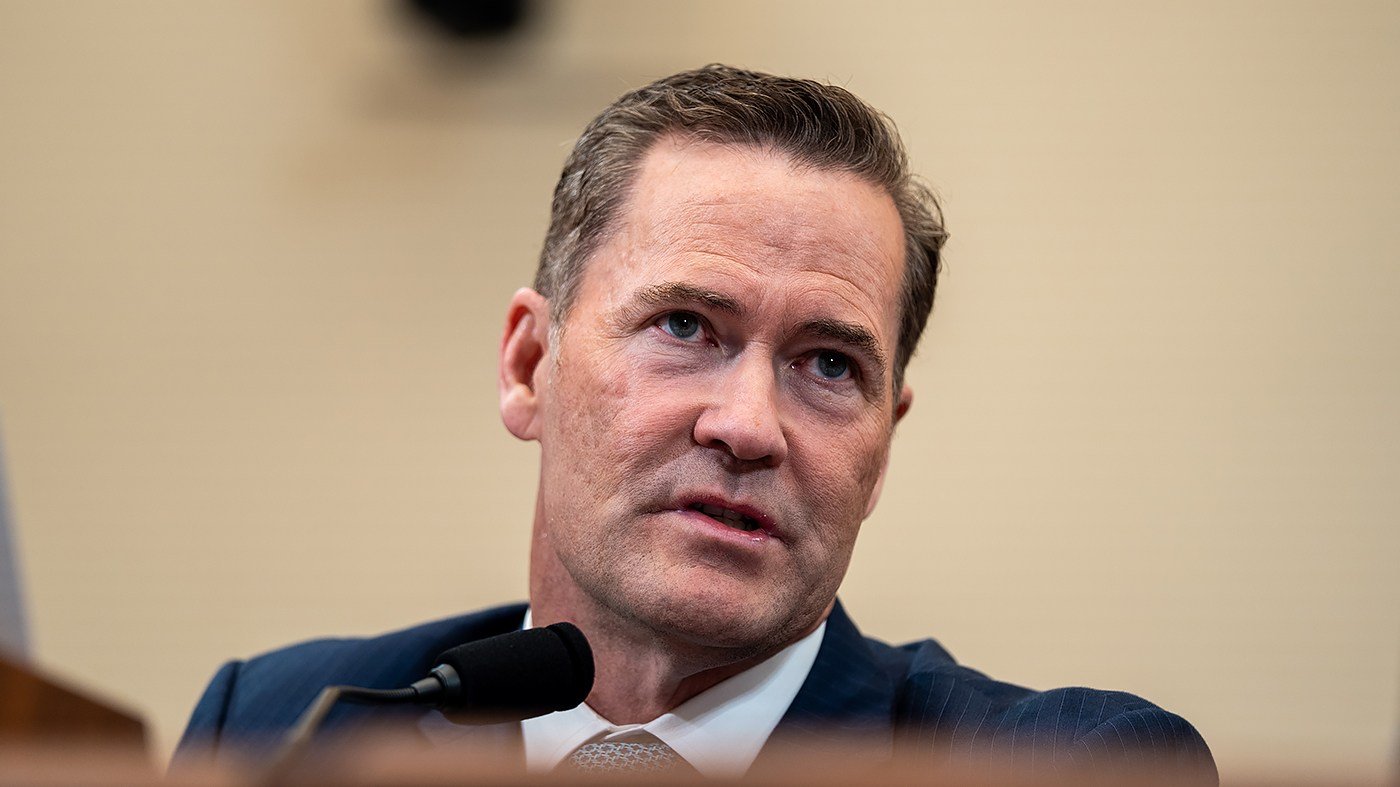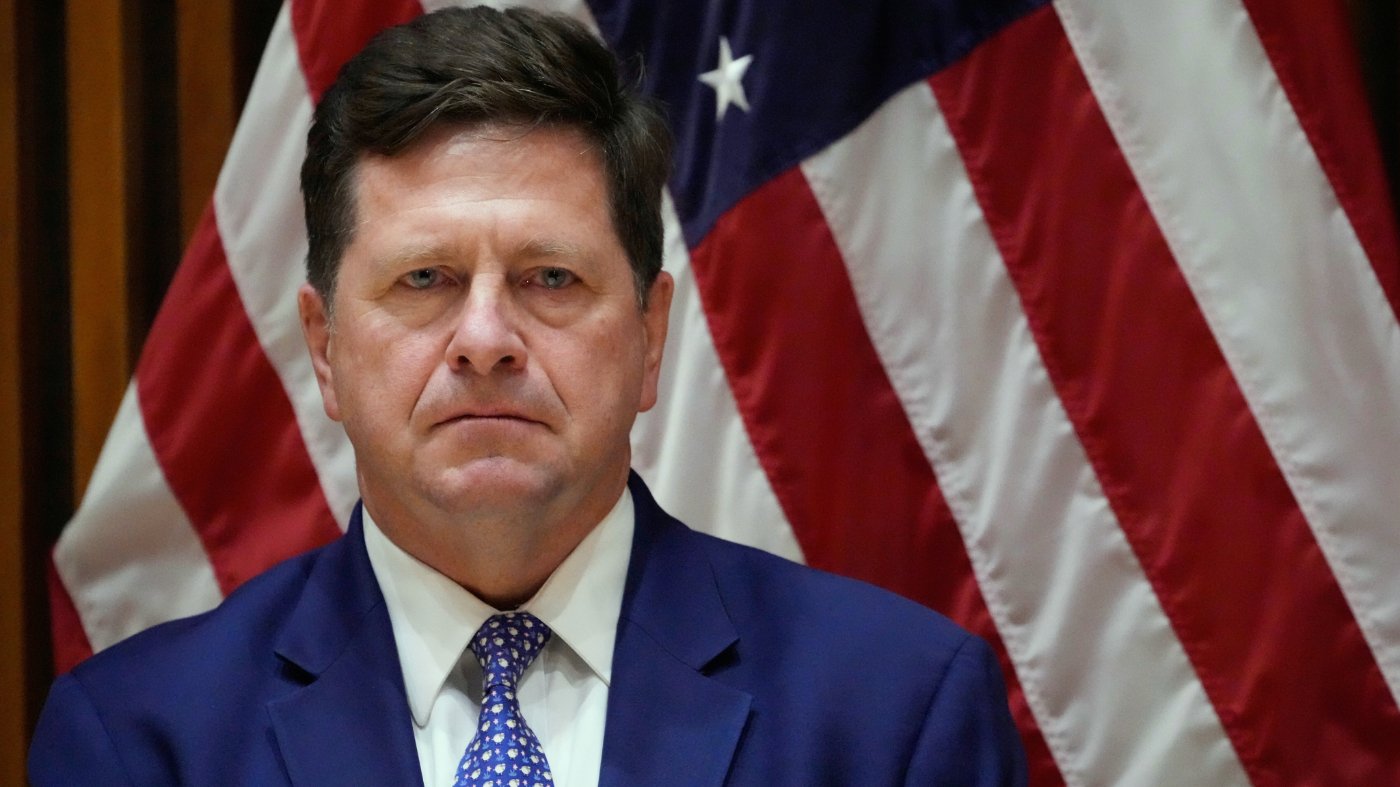
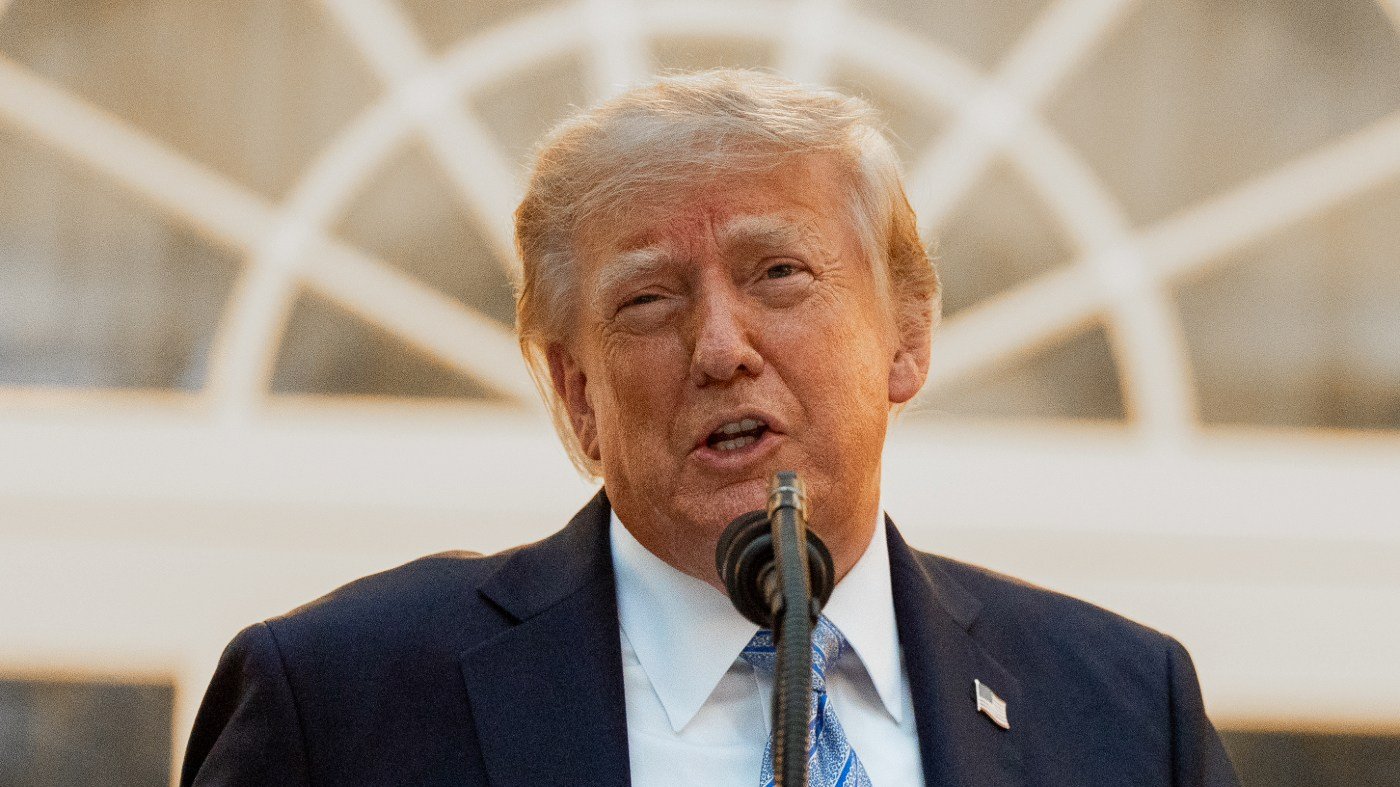
President Trump has moved to nominate Jay Clayton as director of National Intelligence, with Bill Pulte stepping in as acting director following Tulsi Gabbard's expedited departure last week. Trump has signaled that Pulte will lead efforts to downsize the Office of the Director of National Intelligence (ODNI), which he has labeled as “unnecessary and/or too big.” This push comes after Gabbard reportedly slashed 40 percent of the workforce and eroded morale, according to multiple reports.
Analysts argue that further cuts would cripple ODNI's core mission: coordinating the 18 agencies that make up the U.S. intelligence community. Danielle Steitz, director of National Security Policy at the Progressive Policy Institute, warns that such a move would be a “massive mistake” that undermines the office's role as a central integrator. The position of director of National Intelligence was created by the Intelligence Reform and Terrorism Prevention Act of 2004, following the 9/11 Commission's findings that a lack of coordination allowed the attacks to succeed. The commission described the role as a “quarterback” who calls plays and assigns roles to other intelligence agencies.
ODNI is responsible for deconflicting intelligence collection resources and setting strategic priorities through the National Intelligence Priorities Framework. It also oversees overarching intelligence strategies, analytic standards, and intelligence-sharing relationships with foreign partners. Without ODNI, experts say, critical information from agencies like the CIA, FBI, and NSA could become siloed, hampering the government's ability to rapidly share intelligence with allies in an era of global conflicts from Europe to the Indo-Pacific.
Senate Intelligence Vice Chair Mark Warner (D-Va.) has stressed the need for careful debate before dismantling post-9/11 reforms. “Serious discussion is necessary,” Warner stated, emphasizing that any changes should be deliberate. Trump's approach, however, appears to bypass such deliberation, with the president and his allies failing to identify an organization that would assume ODNI's key functions.
This pattern echoes Trump's earlier reduction of the National Security Council staff, which led to departments and agencies working on cross-cutting issues like China and AI from silos, sometimes at cross-purposes. As Senator Jon Ossoff has warned, weakening intelligence coordination could increase the risk of a terrorist attack.
Some observers speculate that CIA Director John Ratcliffe may be advocating for the restoration of the director of Central Intelligence role, which would consolidate power at Langley. The 9/11 Commission explicitly rejected that model, noting that having one person serve as CIA head, community manager, and principal intelligence advisor was fundamentally flawed. Congress created ODNI as an independent honest broker, free from parochial agency interests.
If Trump and his Republican allies in Congress seek to reform ODNI, Steitz argues they should engage with the House and Senate Intelligence committees, where senior Democrats have indicated openness to careful changes. Instead, Trump's plan to appoint a national security novice to dismantle the office is “playing unacceptably fast and loose with America's national security.”