The White House has rolled out a new online platform, The Fraud Ledger, designed to give the public a real-time look at the enforcement actions taken by Vice President JD Vance's anti-fraud task force. The site, which went live this week, bills itself as a comprehensive record of the administration's crackdown on what it calls widespread waste and abuse in federal programs.
“President Donald J. Trump and Vice President JD Vance are waging war on the fraudsters and scammers who have looted hardworking Americans for far too long,” reads the opening statement on the website. Visitors can track “every action, every takedown, and every dollar recovered as part of the unrelenting effort.”
The administration is touting significant early results: nearly $230 billion in fraud has been identified, and more than $56 billion in fraudulent payments have been halted. These figures were central to the messaging around the site’s launch, which aims to underscore the administration’s commitment to fiscal accountability.
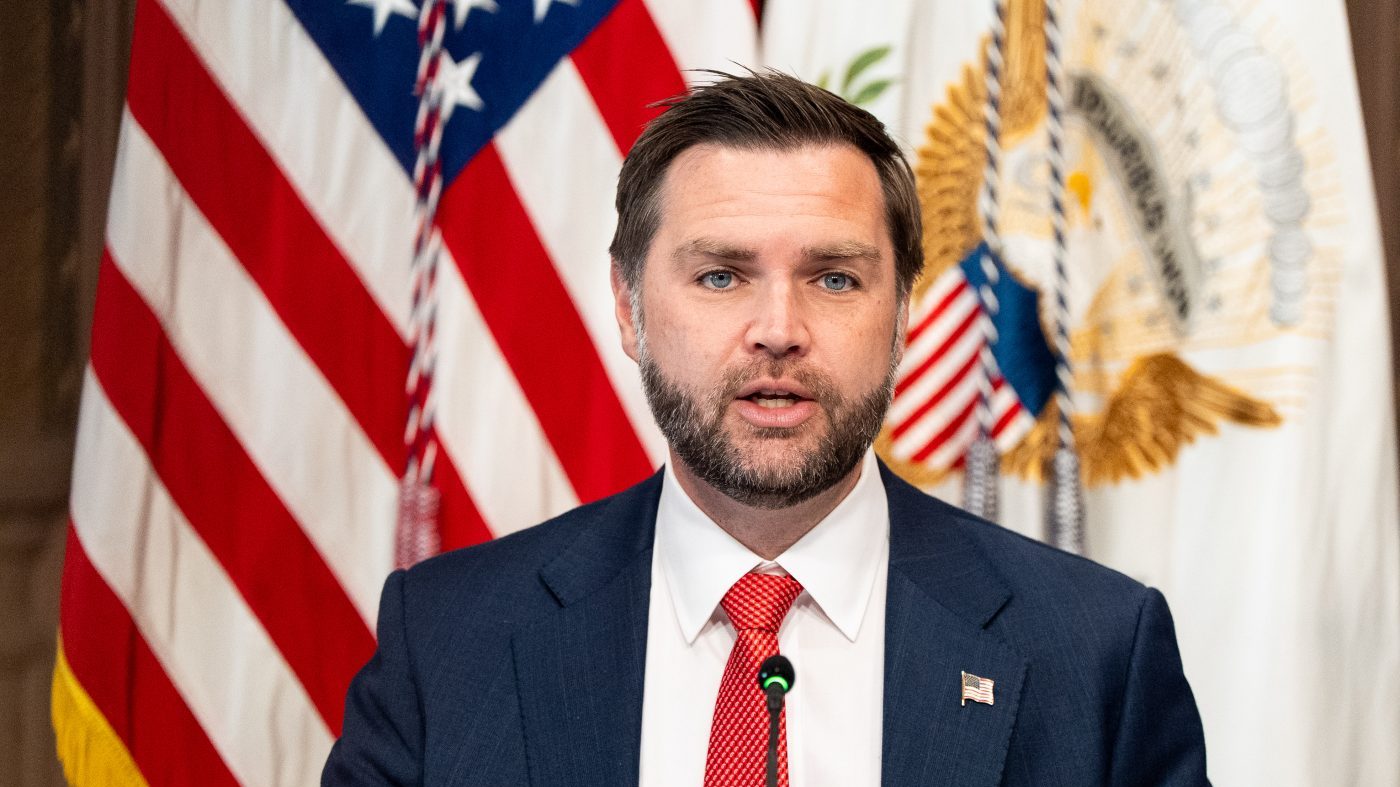
Vance convened the White House Task Force on Eliminating Fraud for its first meeting in March, and he held another roundtable with Republican lawmakers on Wednesday. During that session, he framed fraud as a “dual victim crime,” explaining that the first victim is the American taxpayer, while the second is the individuals who rely on the programs being defrauded. “This is despicable behavior, and it’s something that we’ve allowed to go on for too long in the United States of America,” Vance said.
White House spokeswoman Olivia Wales amplified the administration’s messaging on social media Thursday, writing, “President Trump and Vice President Vance are waging an all-out war on fraud, shutting down billions of dollars in taxpayer theft.” She added, “Democrats have refused to stop this epidemic of fraud.” Wales also stressed that the administration is “holding these criminals accountable and ensuring key federal programs remain viable for the Americans they were meant to support.”
The task force’s work has drawn sharp partisan lines. Vance, during the Wednesday roundtable, acknowledged that only Republicans were present in the room, but he noted that the task force has collaborated with some Democratic governors and attorneys general. He called on Congress to codify the anti-fraud measures into law, though he expressed skepticism about Democratic cooperation in Washington. “I’m not necessarily holding my breath,” he said, “but we would love to work with Democrats in Washington to codify some of the anti-fraud actions that we’ve taken and to take it to the next level.”
The launch of The Fraud Ledger comes amid broader administration efforts to highlight waste in government, including cost concerns over proposed defense projects and allegations of misleading testimony from cabinet officials. The website is part of a wider push to position the administration as a guardian of taxpayer dollars, a theme likely to feature prominently in upcoming political battles.
Critics, however, have questioned the methodology behind the fraud figures and whether the task force’s actions could inadvertently harm legitimate program beneficiaries. The administration has dismissed such concerns, framing the crackdown as long-overdue accountability.
As the task force continues its work, The Fraud Ledger will serve as a public scorecard, with the administration promising regular updates. Whether it will shift public opinion or spur legislative action remains to be seen, but the site has already become a focal point in the ongoing debate over government spending and oversight.