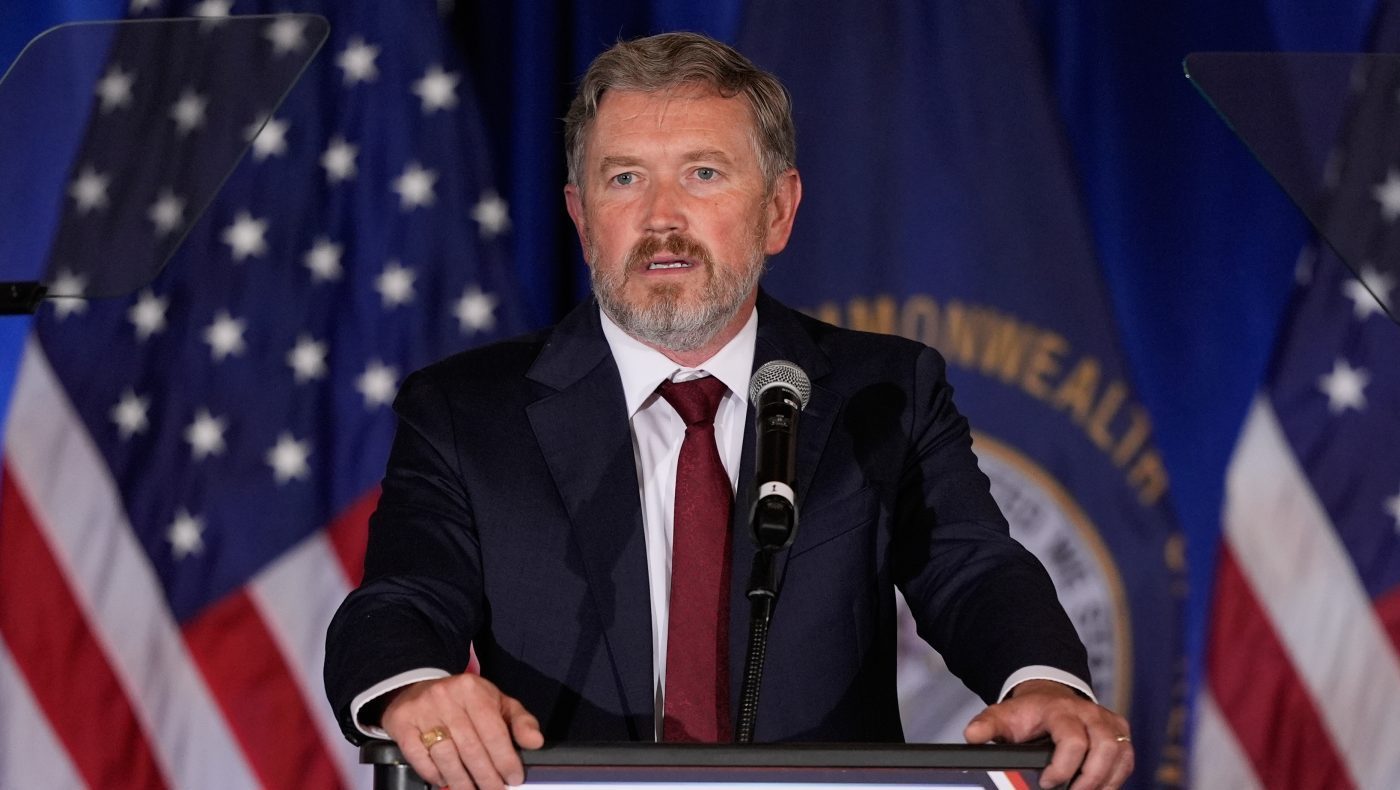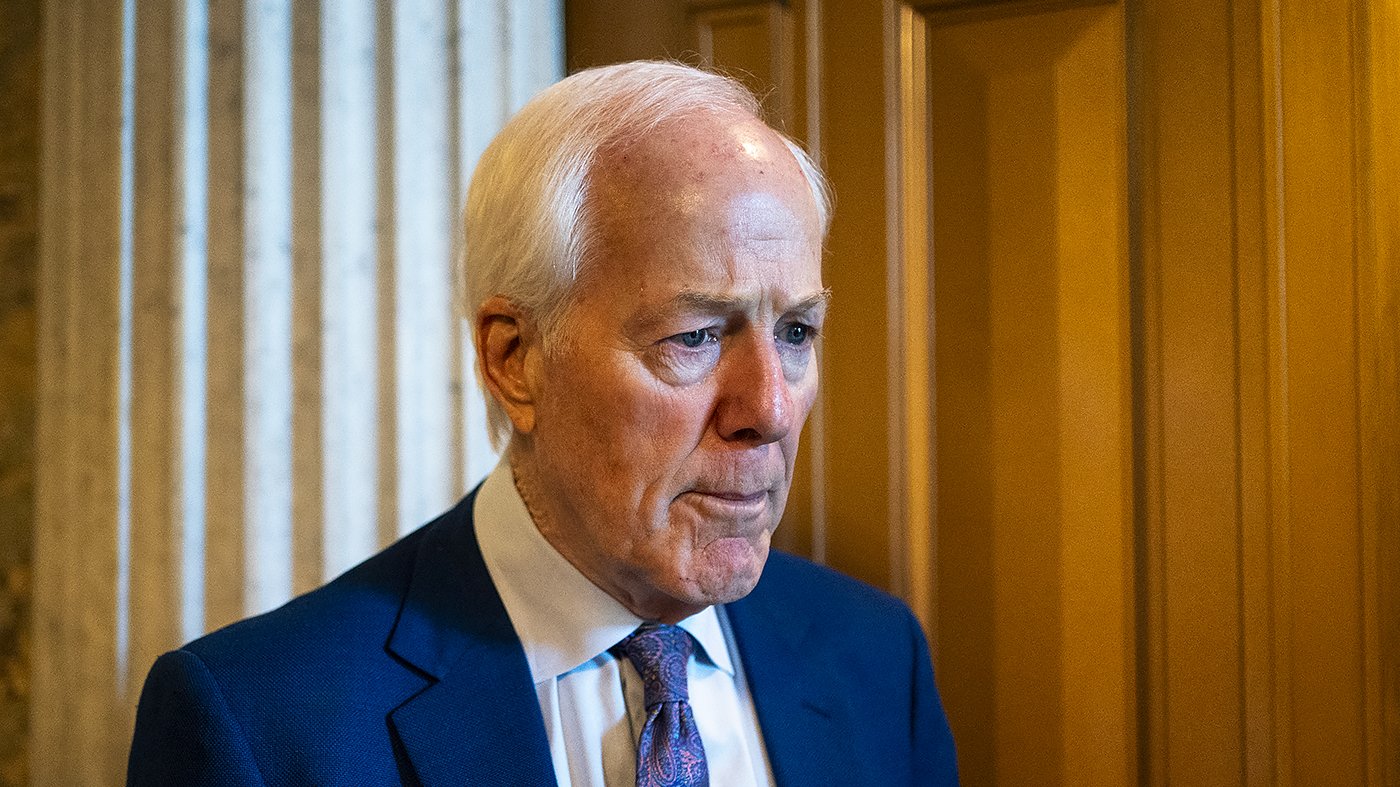
President Trump's endorsement of Texas Attorney General Ken Paxton over incumbent Senator John Cornyn in the state's Republican primary has sent shockwaves through the Senate GOP, with many lawmakers expressing frustration, anger, and sadness over the move. The decision, announced Tuesday, is widely seen as a death knell for Cornyn's reelection hopes and has raised alarms about the party's ability to hold the seat in November.
Republican senators, speaking on condition of anonymity, voiced deep sympathy for Cornyn, who served as Senate GOP whip during Trump's first term and is highly respected among his colleagues. 'I'm really sad, I'm sad personally for John Cornyn, and I hope he's successful in his election regardless, and I'm sad for the institution,' one senator said. 'There's no senator that works harder to make things happen around here, works harder to take care of his colleagues.'
The endorsement breaks with longstanding tradition, where presidents and the National Republican Senatorial Committee (NRSC) typically unite behind incumbents facing primary challenges. 'I think it's sad for the institution. There's something to this that's really troubling,' the lawmaker added.
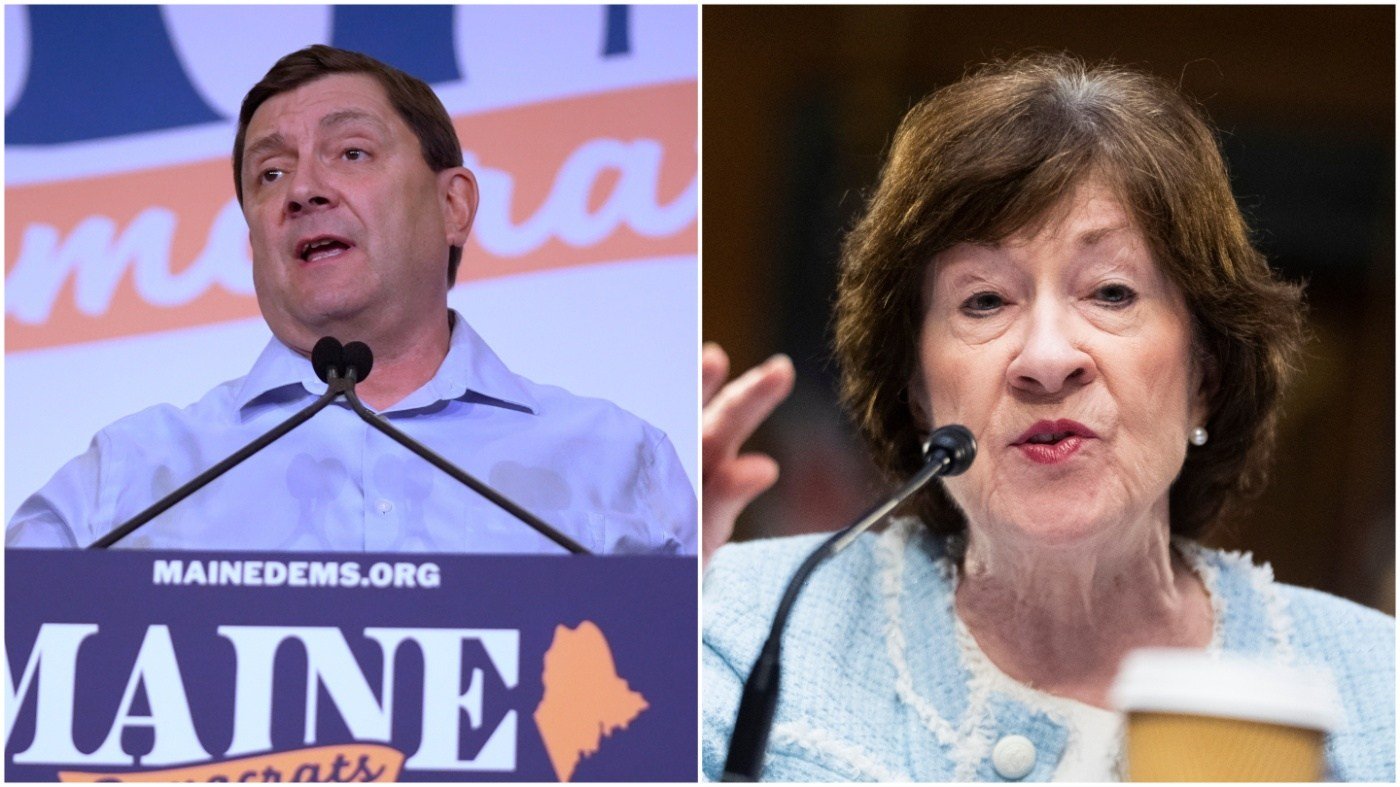
Trump's decision to back Paxton, who faced felony securities fraud charges that were dropped after a pretrial diversion program, has baffled many. Senator Susan Collins (R-Maine) called Paxton 'an ethically challenged individual.' She said, 'John Cornyn is an outstanding senator and deserved in my judgment the president's support. Obviously, it's the president's call, but I'm disappointed.'
Senator Lisa Murkowski (R-Alaska) said she was 'supremely disappointed' and questioned the logic behind the endorsement. 'How does that help strengthen the president's hand when we lose a state like Texas?' she asked, noting it could make the seat more vulnerable for Democrats.
The rift comes amid broader tensions between Trump and Senate Republicans over issues like funding for a White House ballroom and a $1.8 billion compensation fund for MAGA allies. A proposal to allocate up to $1 billion for the ballroom appears dead, with several GOP senators signaling they will vote against it. The parliamentarian's recent ruling has further complicated the effort.
Senate Majority Leader John Thune (R-S.D.), who worked behind the scenes to persuade Trump to back Cornyn, appeared stone-faced as he entered the GOP lunch Tuesday. 'It's his decision,' Thune said tersely, though he later affirmed his support for Cornyn, calling him 'a principled conservative' who gives Republicans the best chance to defend the seat.
The NRSC and One Nation, a group tied to Thune, have invested heavily in Cornyn, with the latter spending over $10 million. Trump's endorsement of Paxton underscores the president's willingness to challenge his own party's leadership, a pattern seen in other primaries where he has targeted incumbents deemed insufficiently loyal.
If Paxton wins the primary runoff, Republicans may need to pour additional resources into the race to fend off Democratic challenger James Talarico. Senator Mike Rounds (R-S.D.) acknowledged that possibility, saying, 'I suspect that there's a belief that that's a possibility.'
The endorsement has also been viewed as a snub to Thune, who has worked to maintain party unity. Senator James Lankford (R-Okla.) said Trump 'can endorse who he wants' but declared, 'I'm a big John Cornyn fan.' The episode echoes Trump's role in ousting Senator Bill Cassidy in Louisiana, where his endorsement of a challenger led to Cassidy's defeat.
As the GOP grapples with internal divisions, the Texas primary serves as a test of Trump's enduring influence and the party's ability to hold key battlegrounds. For now, Senate Republicans are left to lament what one called 'a really troubling' development that could reshape the political landscape.