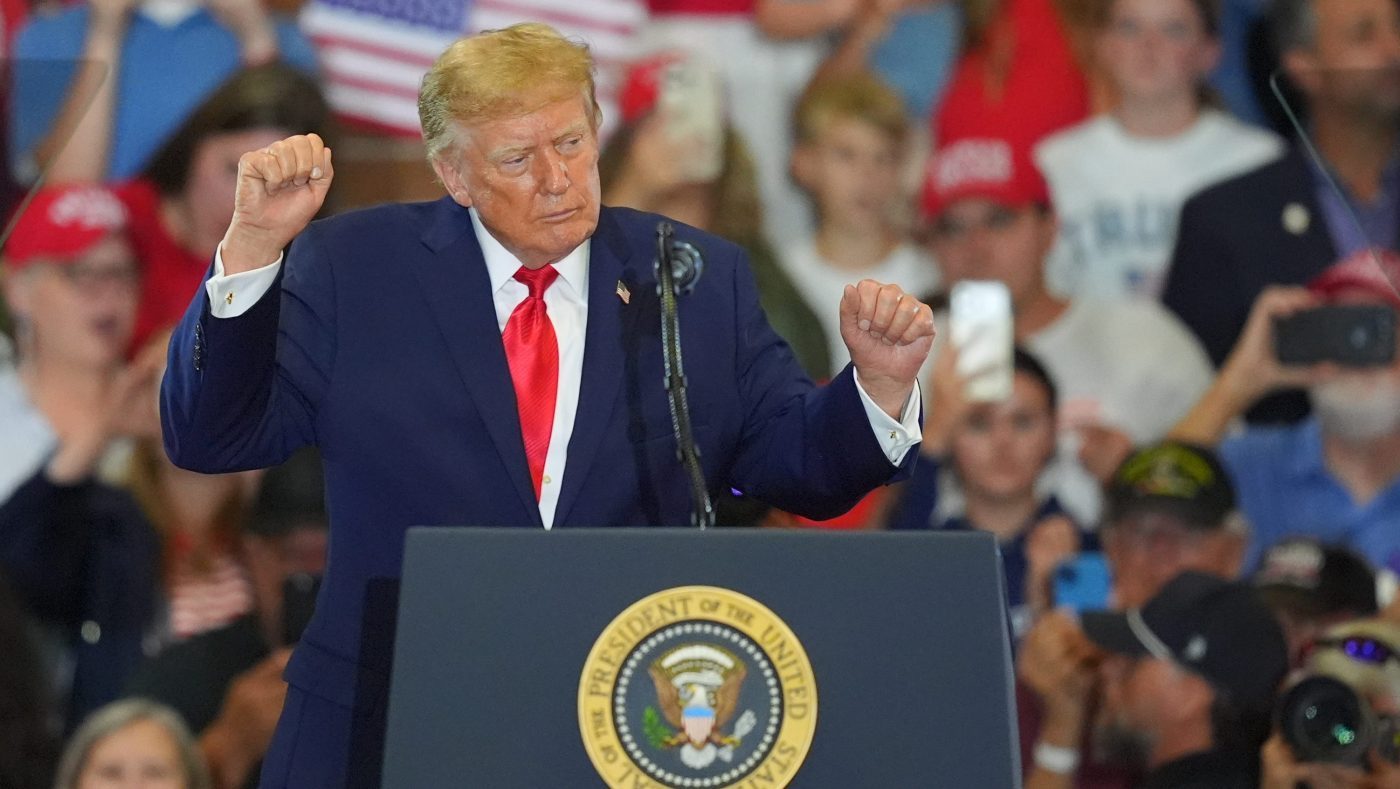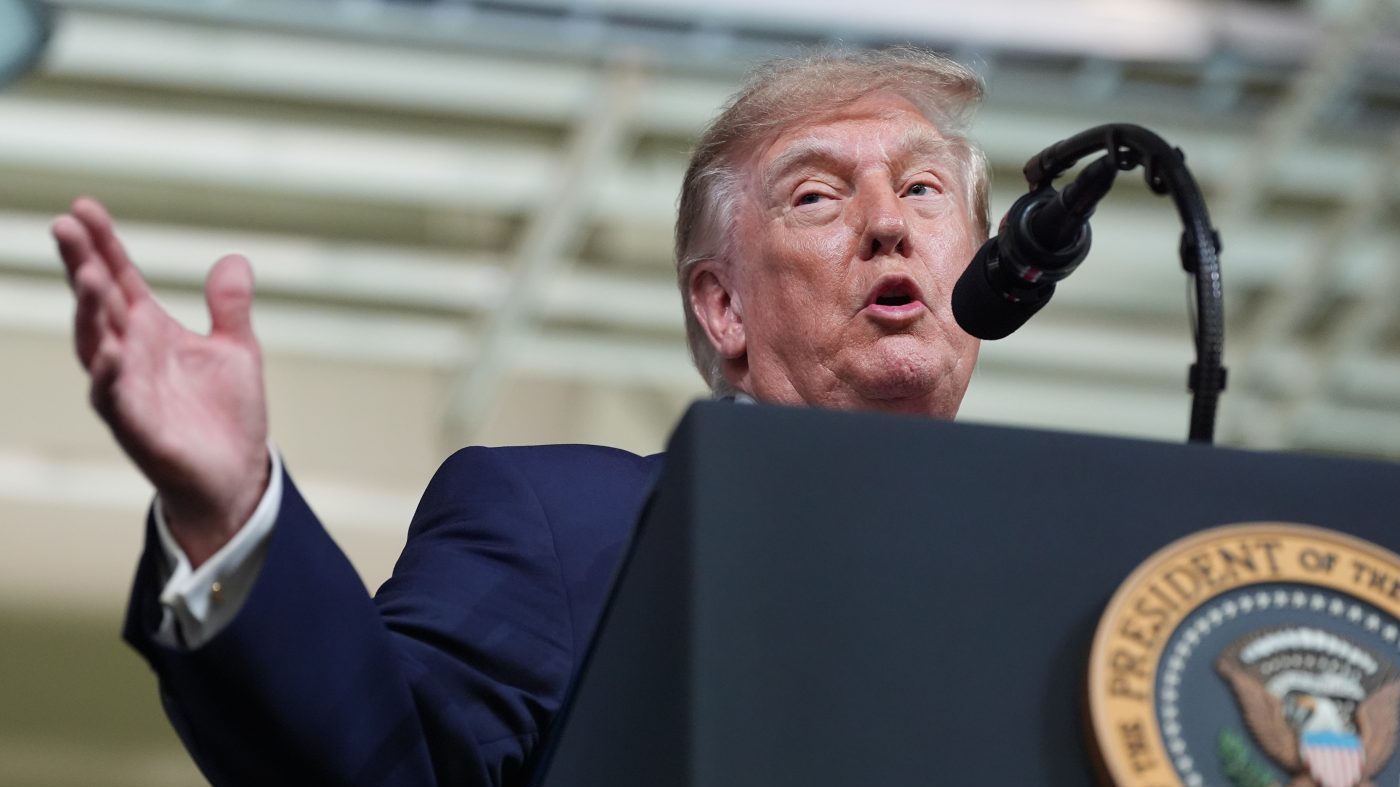
President Trump is escalating his campaign to make daylight saving time permanent, pressing Senate Republicans to advance legislation that would end the twice-yearly clock changes and publicly faulting Sen. Tom Cotton (R-Ark.) for stalling the effort.
In a lengthy social media post early Friday, Trump argued that the current system is costly, inconvenient, and unpopular, writing: "A ridiculous Clock changing process that takes place twice a year, costs our Country a fortune, is bad for Crime, stress on people, Sports, and just about everything else you can imagine." He added that "far and away, most people like having an hour of extra sunlight in the evening, rather than in the morning."
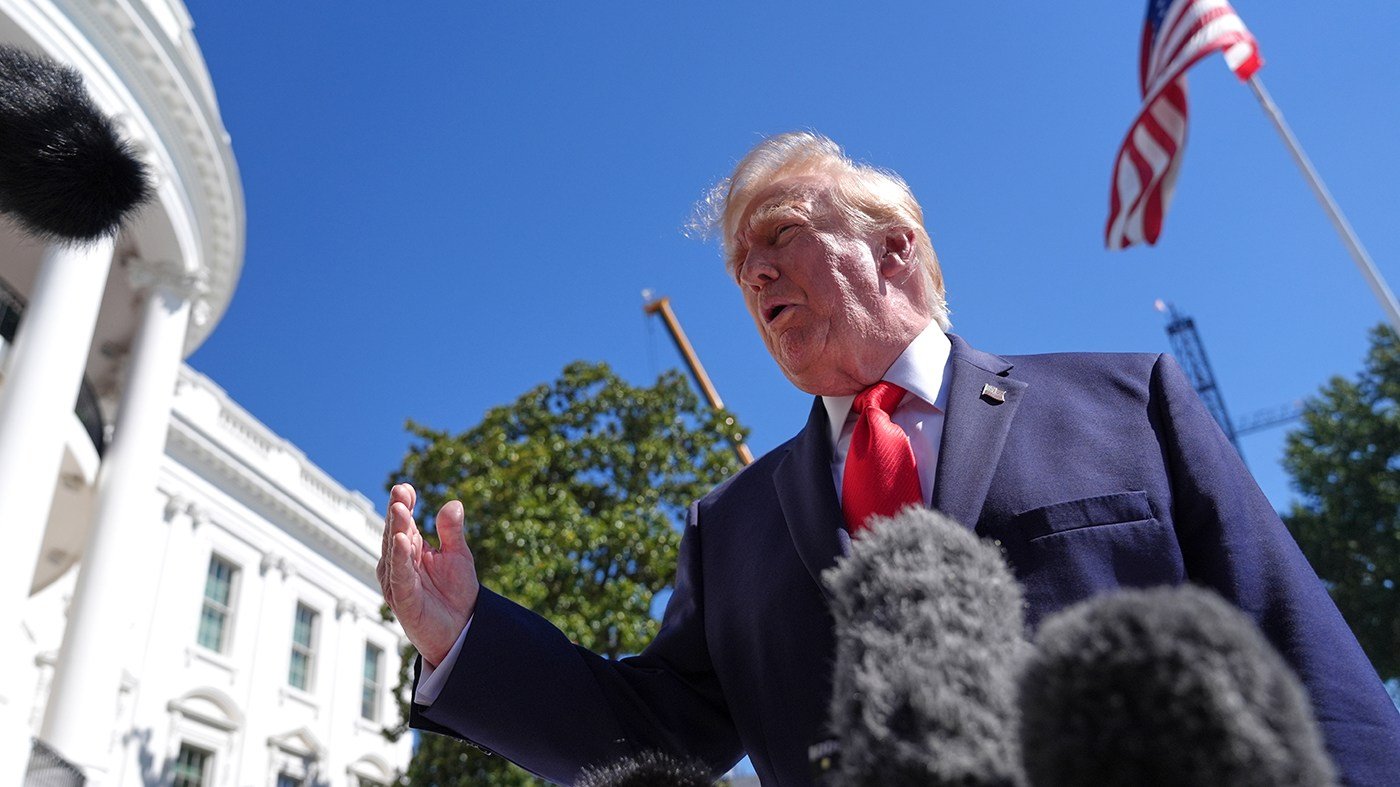
The House passed the Sunshine Protection Act—which Trump has rebranded as the "No More Changing of Clocks Act"—in July with a bipartisan 308-117 vote. But the measure has languished in the Senate, where it faces an uncertain path and the 60-vote threshold required to overcome a filibuster.
Trump singled out Cotton, whose reelection he has endorsed, saying the bill was being "held up" by the Arkansas Republican "for reasons unknown." Cotton has been one of the most vocal opponents of permanent daylight saving time, warning that later winter sunrises would leave children commuting to school and millions of Americans heading to work in darkness.
"If permanent daylight savings time becomes the law of the land, it will again make winter a dark and dismal time for millions of Americans," Cotton said last year.
Trump countered that more evening daylight would reduce crime and traffic accidents while benefiting public health and industries such as sports, tourism, restaurants, and retail. He also pushed back against agricultural concerns, asserting that "even most farmers would rather have additional time in the evening to harvest their crops."
The push echoes a failed experiment from 1974, when Congress moved the country to year-round daylight saving time during the energy crisis. That effort was quickly reversed amid public backlash over dark winter mornings and safety worries for schoolchildren.
The Senate unanimously passed a similar bill in 2022, but it stalled in the House. This time, the lower chamber has acted, while the proposal faces headwinds in the upper chamber. Majority Leader John Thune (R-S.D.) has cast doubt on whether the measure can secure the necessary 60 votes.
Trump framed the issue as one that transcends party lines, writing, "It is foolish, inconvenient and, in some cases, very costly." He insisted that "Republicans, Democrats and independents" can agree on ending the clock changes.
The renewed pressure comes amid a broader GOP push on cultural and policy issues, with Trump also using his platform to rally support for candidates and legislative priorities—though his rallies have sparked concerns among some Senate Republicans about alienating key independents.