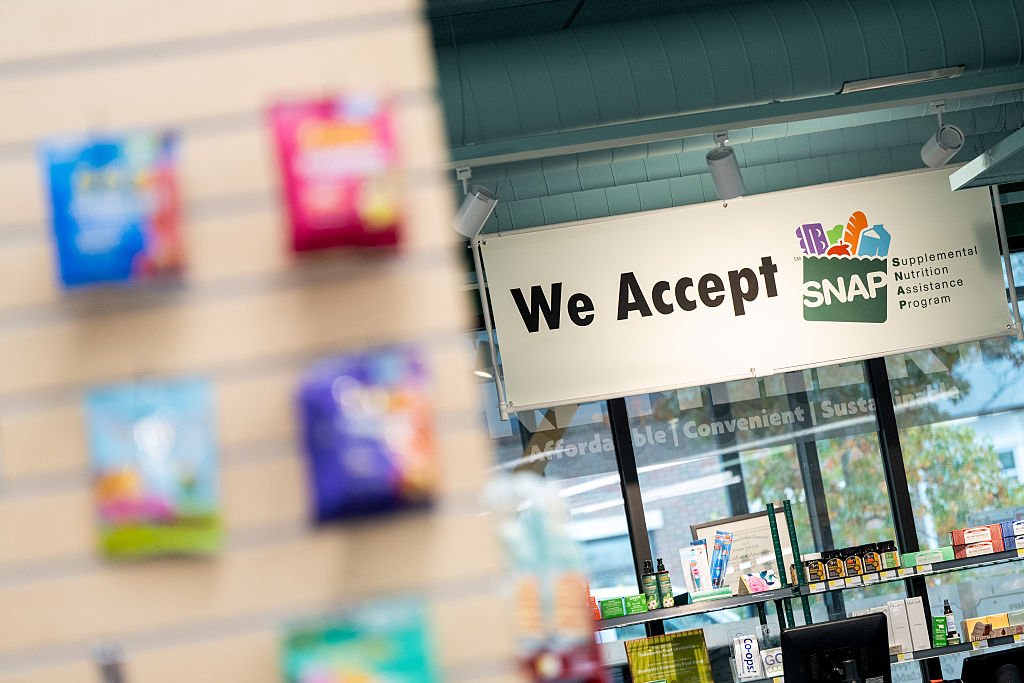
Dozens of states are staring down a fiscal cliff on food assistance: new data shows 41 states risk losing partial federal funding for the Supplemental Nutrition Assistance Program (SNAP) unless they slash error rates below 6% by 2028. The mandate, embedded in the Trump-era One Big Beautiful Bill, shifts financial liability to states with excessive mistakes in benefit calculations.
Error Rate Targets and State Compliance
The federal benchmark targets an error rate under 6%—meaning the share of SNAP benefits paid either above or below what recipients should receive, primarily due to administrative mistakes. Overpayments are more common than underpayments. Yet the national average error rate hovers around 11%, with only nine states—Idaho, Iowa, Kentucky, Nebraska, South Dakota, Utah, Vermont, Wisconsin, and Wyoming—meeting the standard in fiscal 2025. Most states are above the target, and some far exceed it.
Under the law, states with error rates above 6% must begin paying between 5% and 15% of SNAP benefit costs starting in October 2027. Higher error rates generally mean a larger state share. States with especially high mistake rates—like Alaska, Delaware, Georgia, Illinois, New Mexico, Oregon, and D.C.—get an extension until 2030 to comply. States can choose to use either their 2025 or 2026 error rate for the initial penalty calculation, giving them one more year to improve.
Impact on Recipients and State Budgets
The law does not directly cut benefits for SNAP recipients. Instead, it forces states to fund the shortfall themselves. The Congressional Budget Office estimates this cost shift will lead some states to reduce or eliminate SNAP benefits for about 300,000 people, and subsidies through child nutrition programs could drop for roughly 96,000 children.
Missouri offers a stark example. With an 8.7% error rate last year, the state would have to cover 10% of SNAP costs starting in 2027. Missouri residents received about $1.5 billion in SNAP benefits in 2024; that would mean a $150 million state liability—more than the total budget for several state prisons. “There are billions of dollars at stake that states will have to find the money to be able to pay if they want to continue to operate a SNAP program,” said Chloe Green, assistant director for policy at the American Public Human Services Association.
Broader Context and Recent Changes
More than 37 million Americans received SNAP benefits in March, down nearly 5 million (over 11%) from a year earlier, according to preliminary USDA figures. Other provisions of the One Big Beautiful Bill have already tightened eligibility, including expanded work requirements and stricter rules on immigration status. The Trump administration has also withheld funds for certain programs, adding to state fiscal pressure.
The stakes are high for states like Wisconsin, where error rates could trigger penalties, even as voter rights issues dominate headlines. Meanwhile, the Pentagon faces scrutiny over hidden injuries in Iran strikes, and the FDA is probing a cyclospora outbreak linked to lettuce. But for millions relying on food assistance, the SNAP funding deadline looms as a direct threat to household stability.