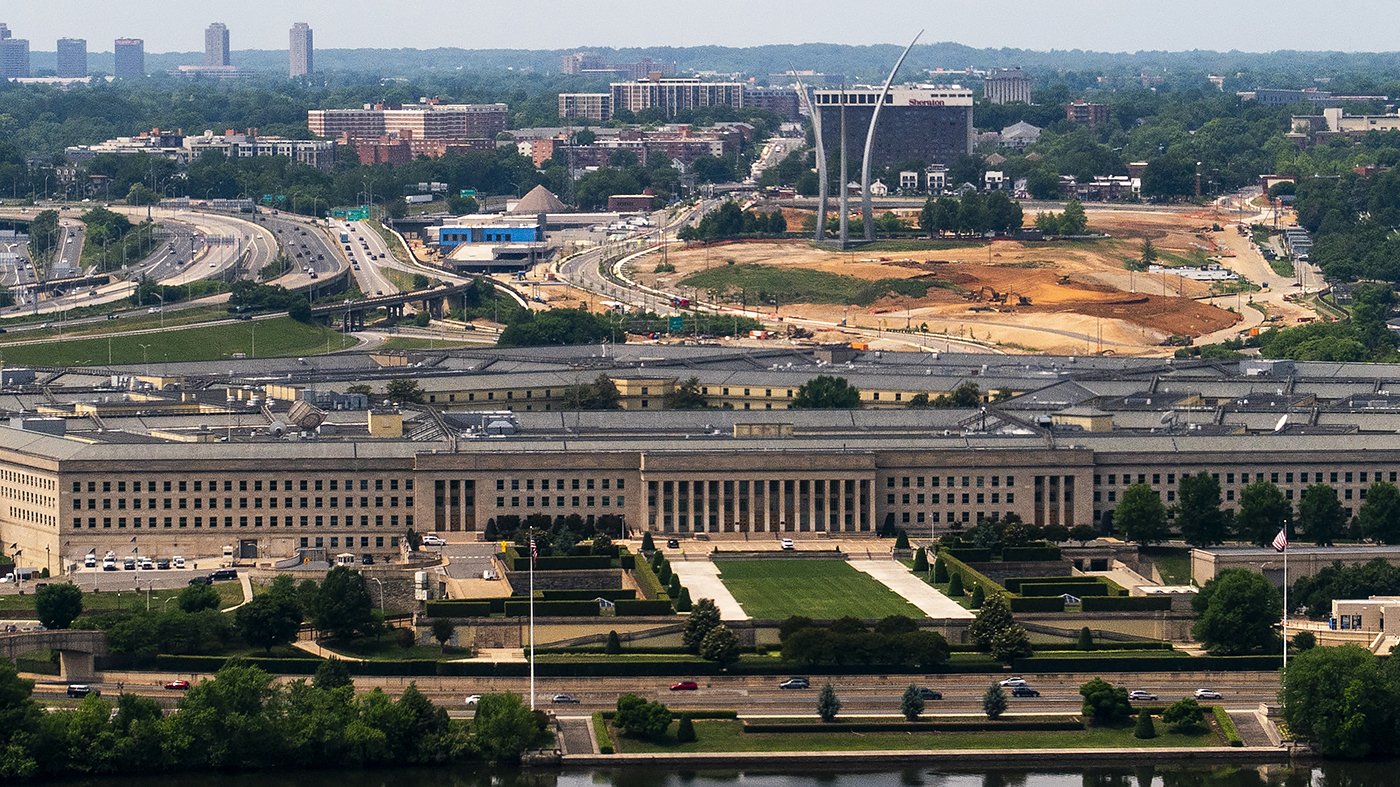
A fresh report has ignited controversy over the Pentagon's handling of casualty figures, alleging that the Department of Defense concealed dozens of injuries sustained by American service members during a wave of Iranian strikes in Jordan. The strikes, which killed two U.S. personnel, have deepened tensions between Washington and Tehran.
Multiple U.S. officials, speaking on condition of anonymity to The New York Times, detailed how the Pentagon failed to publicly disclose the full extent of harm to troops and damage to helicopters from the attacks. The unreported injuries come amid a broader escalation that has already claimed 17 American lives and left 427 wounded, according to the Pentagon's own Defense Casualty Analysis System.
The weekend strikes in Jordan followed days of U.S. military action against Iranian targets. The back-and-forth has cast doubt on the viability of the 14-point memorandum of understanding signed between the two nations just last month. President Trump, while expressing optimism about reaching a deal, has simultaneously authorized further assaults aimed at preventing Iran from acquiring a nuclear weapon.
In a Sunday interview with NewsNation, Trump stated he “couldn’t care less” about the agreement amid the deadly strikes. The president’s remarks underscore the fragile state of U.S.-Iran relations as both sides continue to trade blows.
The Pentagon has pushed back against allegations of concealment. Spokesperson Sean Parnell, in a Monday statement, argued that the military is not obligated to release injury data and insisted that no injuries have been hidden. “Injuries in the military encompass everything from minor sprained ankles during routine training to incidents entirely unrelated to combat operations,” Parnell wrote. He accused critics of “cherry-picking raw numbers without context” to create a “deliberately misleading and incomplete picture.”
Parnell labeled claims that the Pentagon was obscuring casualty numbers as “baseless” and “malicious,” suggesting the report was intended to generate “distress” over the Iran conflict. The defense department’s stance has done little to quell concerns among lawmakers and veterans groups who demand greater transparency.
The controversy comes as the administration continues to honor fallen soldiers. Trump is set to pay tribute to troops killed in the strikes at Dover Air Force Base, a solemn ceremony that highlights the human cost of the escalation. Meanwhile, military analysts warn that the conflict’s trajectory remains unpredictable. Retired General David Petraeus has argued that integrating information operations into military planning is essential to winning modern wars, a lesson that may be relevant as both sides wage a battle for narrative control.
The Pentagon’s handling of injury data has drawn scrutiny, with critics arguing that underreporting undermines public trust. As the death toll rises and diplomatic efforts falter, the question of what the American people are being told—and what they are not—looms large. The administration faces mounting pressure to provide a clear accounting of the costs of its Iran strategy.