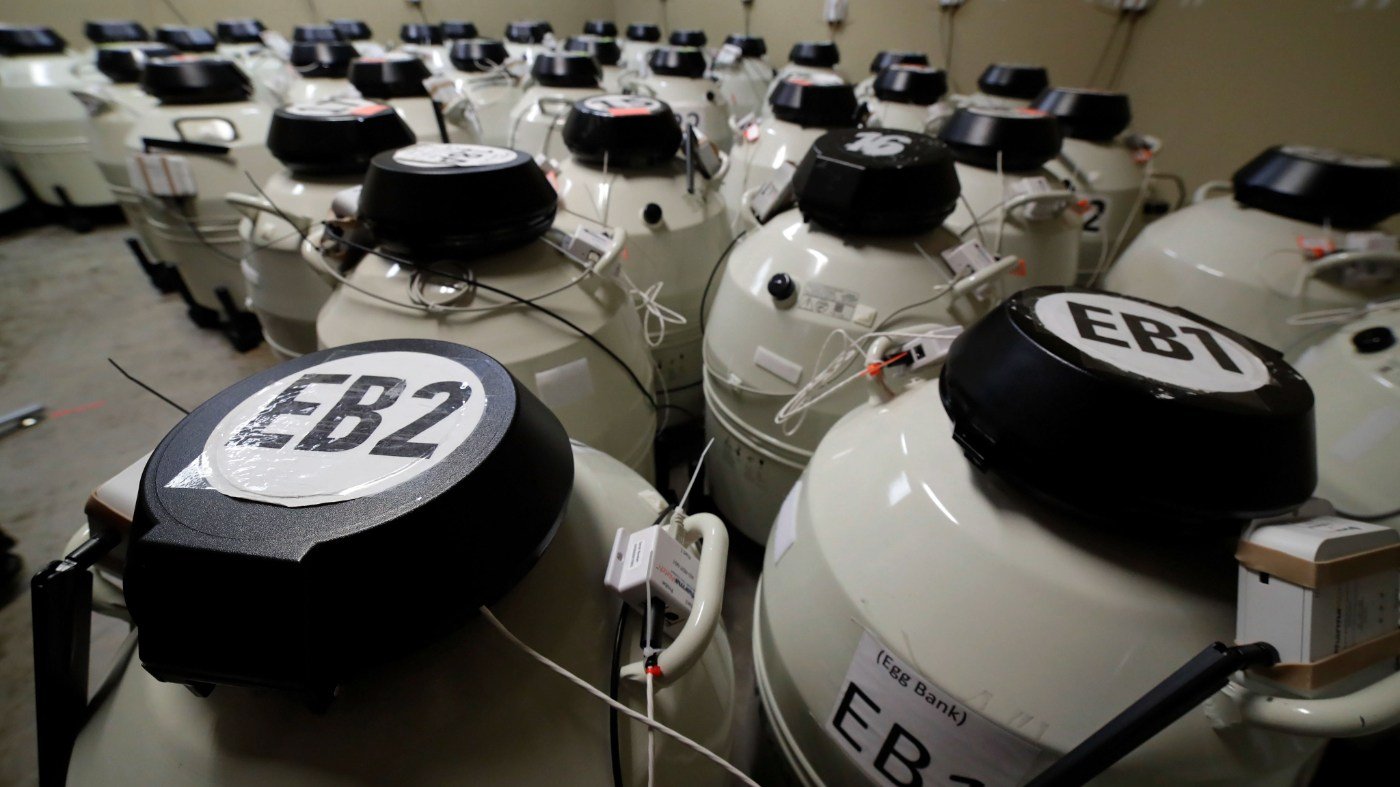
When Rep. Alexandria Ocasio-Cortez (D-N.Y.) revealed last month that she was freezing her eggs, she sparked a national conversation about the financial and policy barriers that women face when they want to delay childbearing. Her decision, documented on Instagram, drew both praise and criticism, but it underscored a growing reality: many women are choosing to freeze their eggs as they pursue longer educational paths, build careers, or wait for the right partner.
Ocasio-Cortez's experience is emblematic of a broader issue in American family planning. Despite her position in Congress, she is paying out-of-pocket for the procedure because her congressional health plan does not cover egg freezing. According to her, the cost ran as high as $10,000. This is a familiar story for most women with private insurance, as few plans cover elective egg freezing. While some states mandate coverage for fertility preservation when medical treatments like chemotherapy threaten a woman's fertility, elective freezing is generally excluded.

The disparity is even starker for low-income women. Medicaid typically does not cover egg freezing, and publicly funded programs like Title X, which provide contraception at little or no cost, do not extend to fertility preservation. As a result, women who cannot afford the procedure are forced to either have children before they are ready or forgo biological motherhood altogether. This creates a stark asymmetry in family planning: the system is designed to help women prevent pregnancy but offers no support when they seek to conceive.
This imbalance is not just a personal issue; it has national implications. The U.S. birth rate has been declining for decades, and some demographers predict that the population will peak around 2050 and then begin to shrink. Such a demographic shift could strain Social Security, slow economic growth, and weaken military readiness. Yet, unlike many other nations, the U.S. has not embraced policies that promote childbirth alongside those that support contraception.
Leonard M. Lopoo, a professor at Syracuse University's Maxwell School and author of Wanting Children, argues that the U.S. must adopt a more balanced approach. He contends that a healthy family planning program should support both the ability to avoid pregnancy and the ability to have children. The current system, he says, is lopsided, focusing almost exclusively on preventing births.
The debate over egg freezing also intersects with broader workplace and reproductive rights issues. Recent changes to workplace protections for pregnant women may offer some relief, but they do not address the high cost of fertility treatments. Meanwhile, advocates for women's health, inspired by figures like the late feminist icon Gloria Steinem, continue to push for more comprehensive reproductive health coverage. As Ocasio-Cortez's case shows, even those with political power are not immune to the gaps in the system.
Some argue that the government should not subsidize elective procedures like egg freezing, especially when other health needs are unmet. But proponents counter that family planning is a public health priority, and that supporting women's reproductive choices, including delaying childbirth, benefits society as a whole. The question for policymakers is whether the U.S. will continue to prioritize one side of the reproductive health equation or finally move toward a more balanced approach.