The battle over women's rights in America is shifting from legislative chambers to the factory floor. As the midterm elections approach, a federal agency is quietly preparing to overhaul workplace protections that have long enabled women to balance careers and family—moves that could have profound consequences for hourly workers nationwide.
The Equal Employment Opportunity Commission (EEOC), established decades ago to shield women and minorities from workplace discrimination, is now being steered by the administration toward prioritizing complaints from white men, according to officials. Late last month, the agency announced it would finalize new policy regulations within days of the November vote, potentially unraveling years of progress on workplace accommodations.

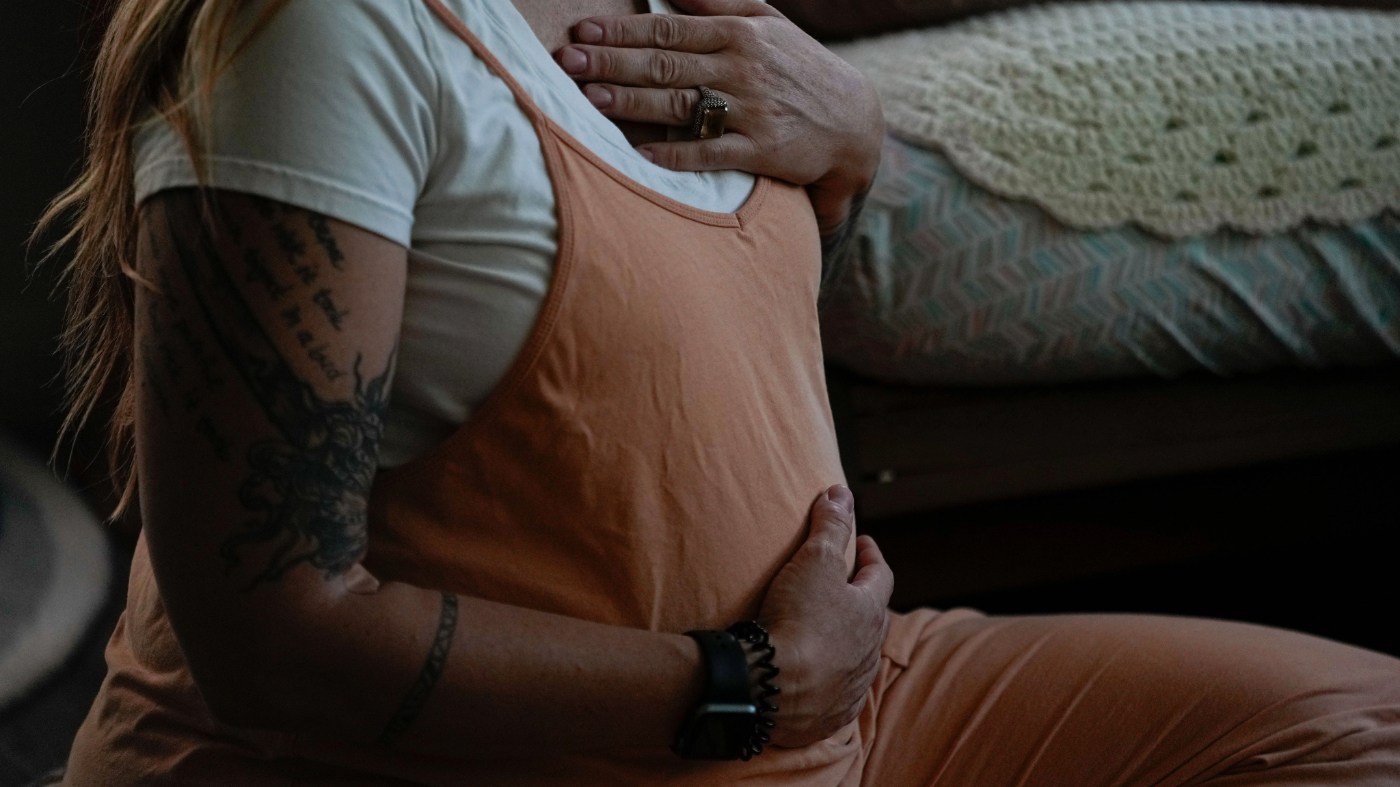
Among the most alarming proposals is the expected gutting of the Pregnant Workers Fairness Act, a bipartisan law signed in 2022 that guarantees basic accommodations for pregnant and postpartum employees. These accommodations are often simple: access to water, permission to sit during long shifts, temporary lifting restrictions, or time off for prenatal appointments. Without them, many women—especially those in physically demanding jobs—face the impossible choice between their health and their paycheck.
The impact will fall hardest on the roughly 20 million women employed in warehouse, retail, and service roles. Unlike white-collar professionals who can work remotely or access generous leave policies, these workers depend on hourly wages and cannot afford to take unpaid time off. For them, the loss of these protections could mean losing their jobs entirely.
Advocates point to harrowing examples. An Amazon warehouse associate with a high-risk pregnancy was denied sitting breaks despite doctor's orders, leading to repeated hospitalizations and eventual termination. A Speedway cashier, also pregnant, was refused the ability to sit and suffered a medical emergency that forced her onto involuntary unpaid leave. Such stories are common, according to A Better Balance, a legal advocacy group that runs a free helpline for workers.
These regulatory changes are part of a broader agenda aimed at pushing women toward traditional motherhood and away from economic independence. The administration has floated ideas like birthing bonuses and a “national medal of motherhood” for women with six or more children. Additionally, the SAVE Act would impose stricter voting requirements, disproportionately affecting women, while the Department of Health and Human Services promotes a narrow vision of reproductive health centered on childbirth.
Despite the gravity of these developments, they have largely escaped national scrutiny. The women most affected are working-class, often afraid to speak out for fear of retaliation. They lack the resources to hire lawyers or launch media campaigns. Their concerns are practical: Can I keep my job while pregnant? Can I return after giving birth? Must I risk my health to feed my family?
These questions strike at the core of economic opportunity. If women can be systematically pushed out of the workforce to serve a political ideology, the promise of equality remains hollow. The EEOC's actions threaten to institutionalize discrimination under the guise of regulatory reform.
As voters head to the polls in November, the same month these rules are expected to be finalized, the stakes could not be higher. Without accountability, we risk endorsing a future where the women who pack our deliveries and scan our purchases are deemed expendable. Their fight is not just about policy—it is about whether America values the contributions of all its workers.