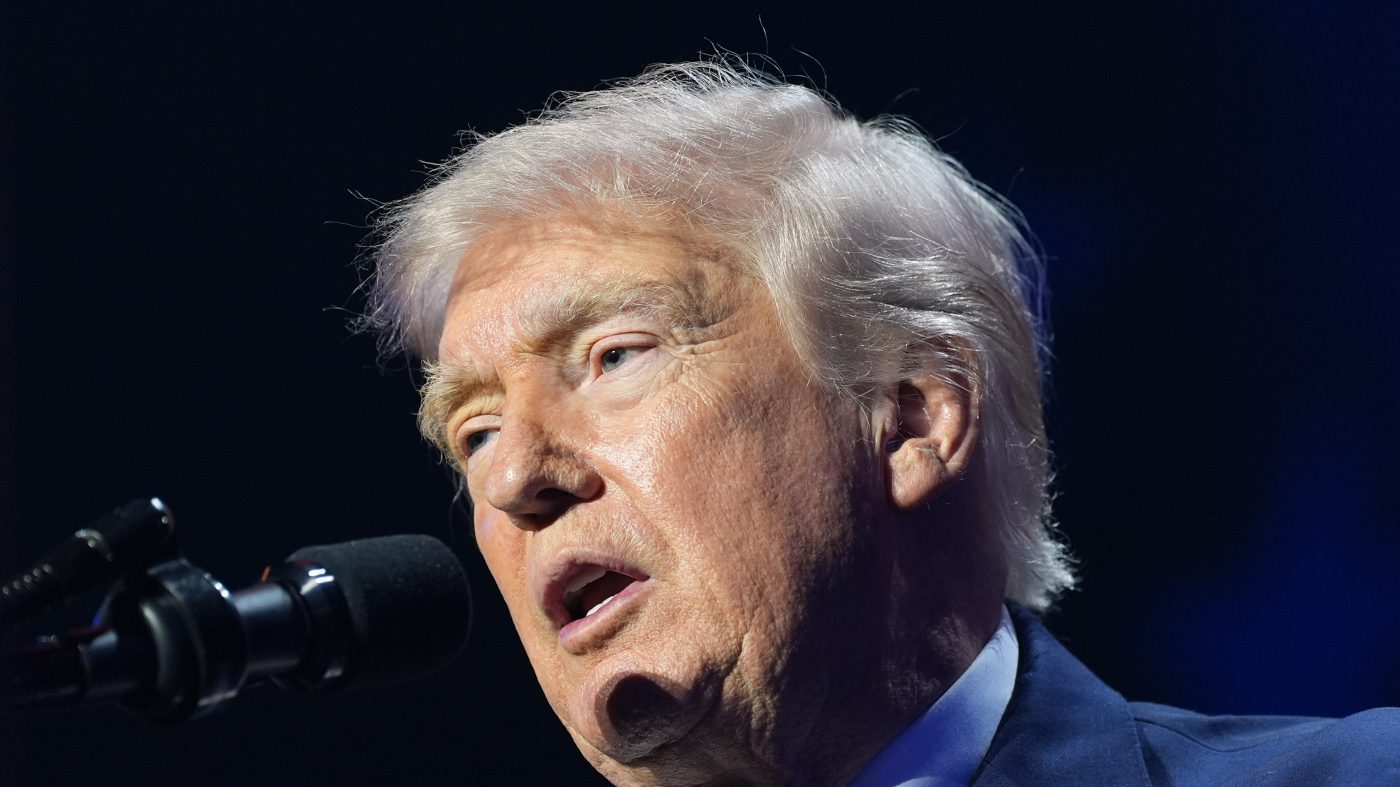
President Donald Trump is set to make his first appearance as president at the annual White House Correspondents' Dinner on Saturday evening, breaking with his previous practice of skipping the event. Trump announced in March that he would attend, framing the decision as a tribute to the nation's upcoming 250th birthday.
In a post on Truth Social, Trump declared it would be “my Honor to accept their invitation, and work to make it the GREATEST, HOTTEST, and MOST SPECTACULAR DINNER, OF ANY KIND, EVER!” The president had boycotted the dinner during his first term and also declined last year, making this his first appearance as commander-in-chief.
First lady Melania Trump and several Cabinet members are also expected to join the president at the event, which is traditionally a mix of political satire and serious fundraising for journalism scholarships administered by the White House Correspondents' Association (WHCA).
This year's entertainment lineup breaks with tradition as well: instead of a comedian, the featured performer will be mentalist and Emmy winner Oz Pearlman. The shift reflects the ongoing tension between the White House and the press corps, as Trump has frequently criticized the media and labeled outlets as “enemies of the people.”
The dinner comes amid a broader political landscape where Trump's relationship with the press remains fraught. Earlier this year, Stephen Colbert announced he would skip the dinner, questioning why journalists attend given the president's antagonism toward the media. Meanwhile, the WHCA has defended the event as a vital platform for supporting press freedom.
Trump's decision to attend marks a notable departure from his first-term policy, when he ordered administration officials to boycott the dinner. The change has sparked speculation about his motives, with some analysts suggesting it is part of a broader effort to soften his image ahead of midterm elections. Others note that Trump's voter suppression tactics remain a concern for Democrats, as DNC Chair Ken Martin warned earlier this month.
The president is expected to deliver remarks during the dinner, though the tone and content remain unknown. Given his history of ad-libbed and combative speeches, the address could veer from self-congratulation to renewed attacks on the press. The WHCA has not released details on any security or protocol changes for the event.
This year's dinner also takes place against a backdrop of international tensions. Trump's threats over the Falkland Islands were rejected by the UK, and his eased sanctions on Russia oil have drawn bipartisan pushback in the Senate. Domestically, the administration has pushed forward with a shift in drug policy toward psychedelic research, a move that has garnered both support and skepticism.
As the dinner unfolds, the political world will be watching for any signals about Trump's strategy heading into the 2026 midterms and beyond. For now, the president's presence at the correspondents' dinner underscores his willingness to engage—on his own terms—with the institution he has long criticized.