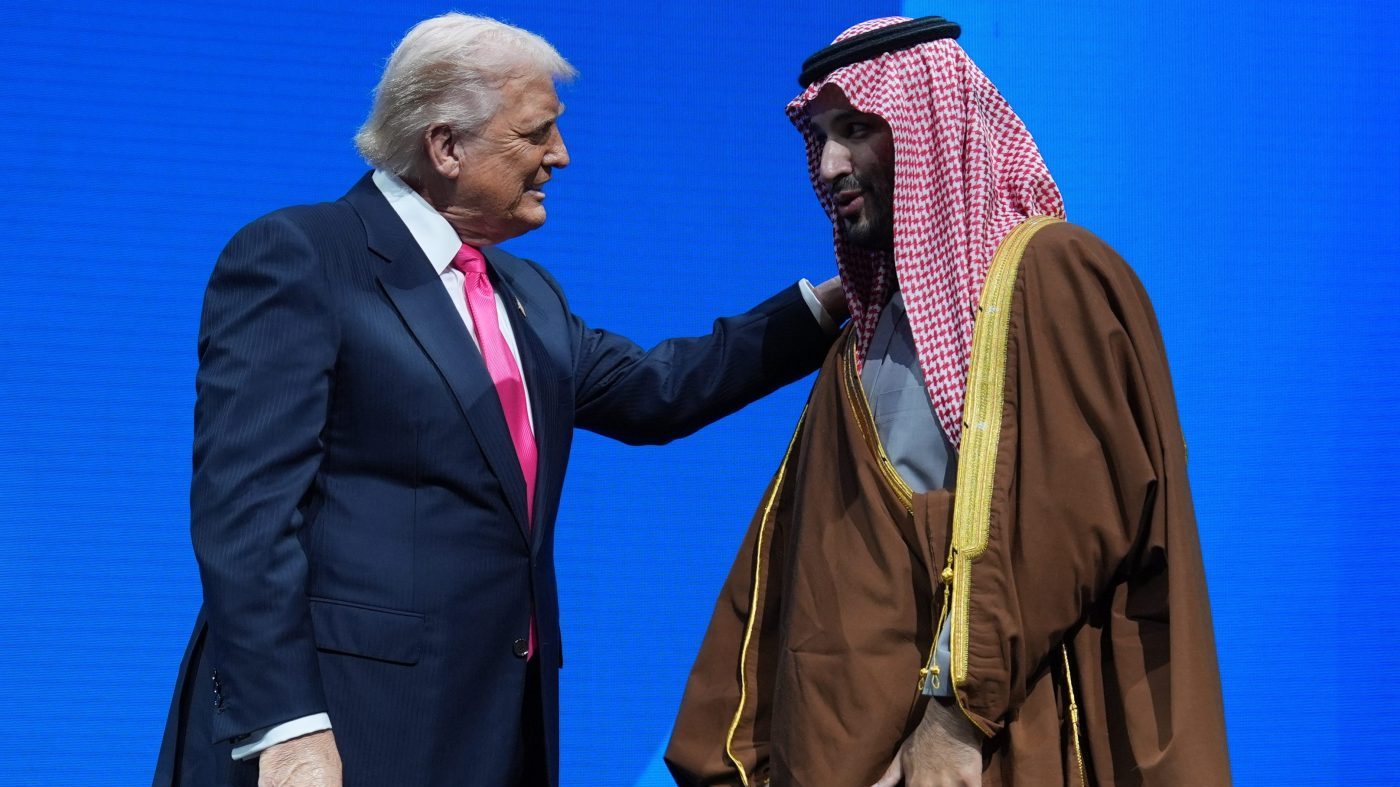
President Donald Trump declared Thursday that the civilian nuclear cooperation agreement between the United States and Saudi Arabia will only move forward if Riyadh agrees to normalize relations with Israel as part of the Abraham Accords. In a post on Truth Social, Trump framed the deal as a non-military arrangement with strict conditions, stating it is “totally subject to Saudi Arabia joining the very respected and successful Abraham Accords.”
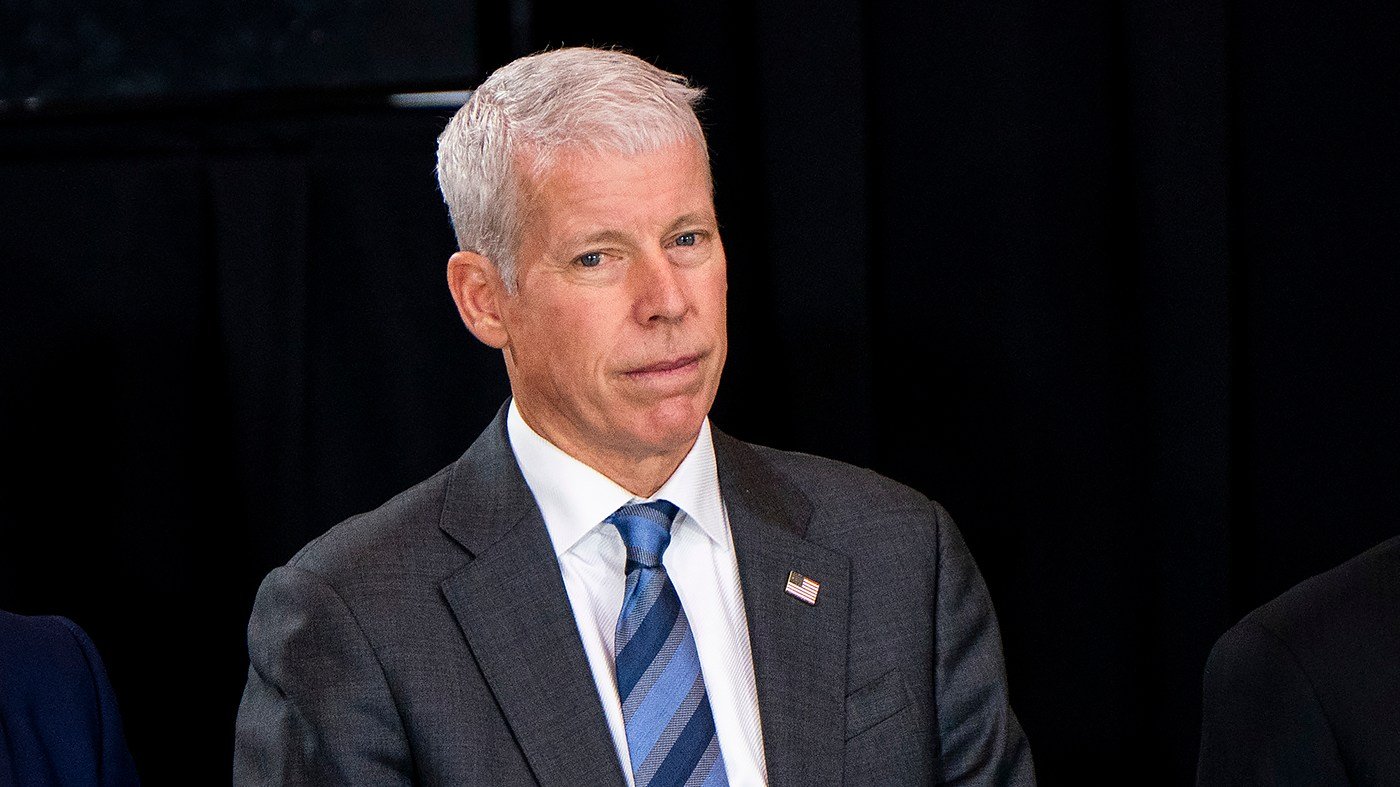
The agreement, signed Wednesday by Energy Secretary Chris Wright and Saudi Energy Minister Prince Abdulaziz bin Salman, covers civilian nuclear cooperation and includes a bilateral safeguards accord. It would allow U.S. companies to participate in building nuclear facilities in the kingdom over several decades, with a commitment that no enrichment of material will occur. Trump emphasized that the deal mirrors those already in place with Iran and the United Arab Emirates.
The announcement comes amid heightened tensions in the Middle East, particularly with Iran. Trump has threatened to hold Tehran accountable for new Houthi ship attacks, and the nuclear deal has drawn criticism from both nonproliferation advocates and pro-Israel hawks who worry about safeguards and regional implications.
Democratic lawmakers and arms control experts have voiced alarm over the lack of transparency in the agreement. The full text has not been released, and it will be sent to Congress for review. Critics argue that the deal could set a dangerous precedent, especially given Saudi Arabia’s history of human rights abuses and its rivalry with Iran. The pact has drawn fire from proliferation foes and pro-Israel hawks alike.
Trump has long sought to expand the Abraham Accords, which were brokered during his first term and normalized relations between Israel and several Arab nations, including the UAE, Bahrain, Sudan, and Morocco. Adding Saudi Arabia to the list would be a major diplomatic victory, but Riyadh has insisted that any normalization deal must include clear progress toward a Palestinian state—a condition Israeli Prime Minister Benjamin Netanyahu has rejected.
Netanyahu’s office responded Thursday with a statement praising the potential expansion of the accords. “The joint American and Israeli military action against the genocidal regime in Tehran and Israel’s crushing of Iran’s terror axis have created the possibility to expand the circle of peace,” the statement read. It added, “As President Trump has said, Saudi Arabia’s joining of the Abraham Accords would be a historic leap forward for peace in the Middle East. Peace through Strength.”
The nuclear deal, while billed as civilian, has sparked broader questions about U.S. nonproliferation policy. The Trump administration has not detailed the specific safeguards in the agreement, leaving lawmakers and experts to speculate on whether it includes provisions to prevent enrichment or reprocessing of nuclear material. The Energy Department has said the deal is consistent with international standards, but critics remain skeptical.
For Saudi Arabia, the nuclear deal offers a path to diversify its energy mix and reduce reliance on oil, but it also risks fueling an arms race in the region. Iran, which has its own nuclear program, has long been at odds with Saudi Arabia and Israel. The timing of the deal, amid ongoing conflict between Israel and Iranian-backed forces, adds another layer of complexity.
Trump’s linkage of the nuclear agreement to the Abraham Accords underscores his administration’s strategy of using economic and energy cooperation as leverage for diplomatic normalization. However, the path forward remains uncertain, as Saudi Arabia’s demands for Palestinian statehood clash with Netanyahu’s hardline stance. The coming months will test whether the deal can survive these competing pressures.