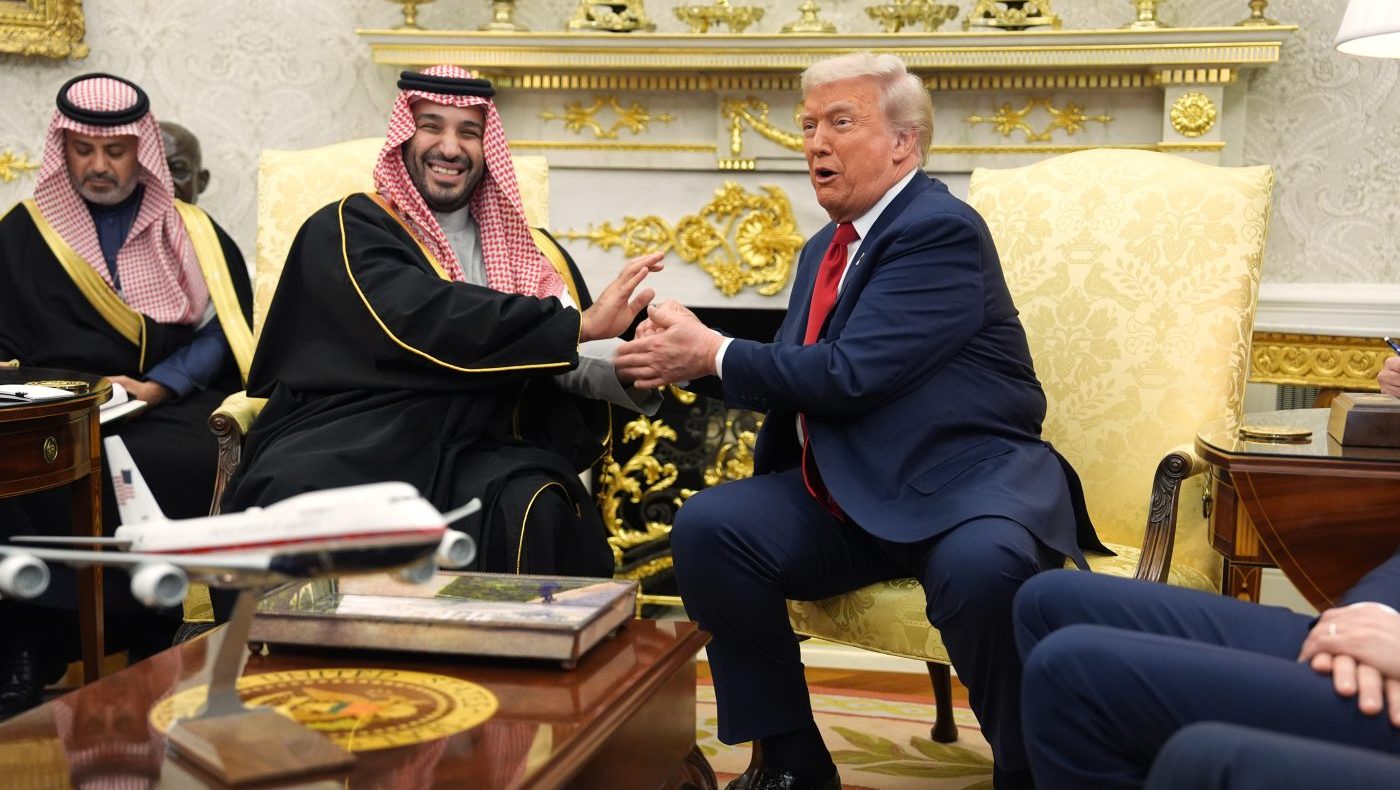
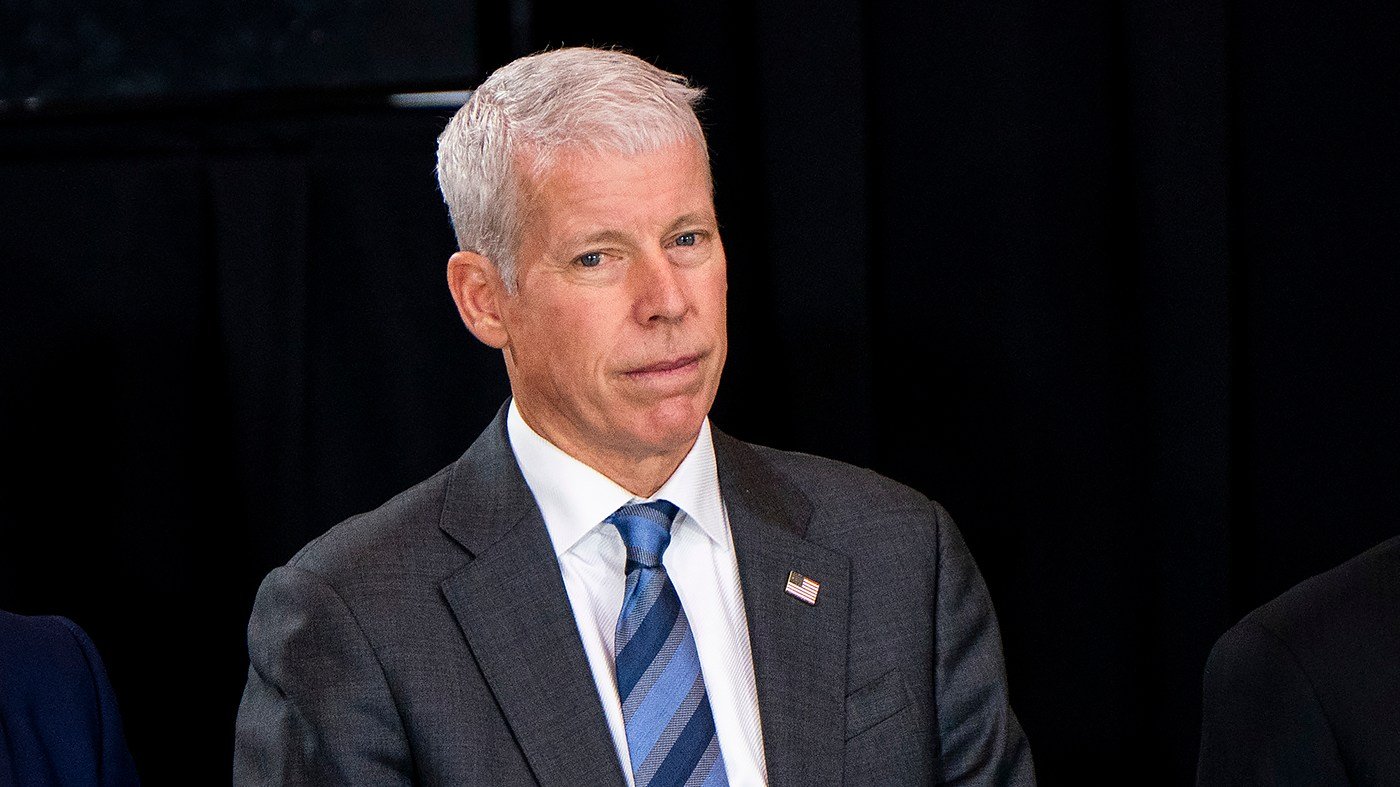
The Trump administration's newly signed nuclear cooperation agreement with Saudi Arabia ignited a firestorm of criticism Wednesday from non-proliferation watchdogs and pro-Israel advocates, who argue the deal could pave the way for Riyadh to develop a nuclear weapon. The accord, inked by Energy Secretary Chris Wright and Saudi Energy Minister Prince Abdulaziz bin Salman, would permit U.S. companies to help build a civilian nuclear program—including, potentially, a uranium enrichment facility.
Critics are already calling on Congress to block the so-called 123 Agreement, which would allow the transfer of nuclear technology and materials. Andrea Stricker, deputy director of the nonproliferation program at the Foundation for Defense of Democracies, wrote on X that the deal is a carryover from the Biden administration and urged lawmakers to reject it. She warned that weakening safeguards would set a dangerous precedent for other states and undermine efforts to contain enrichment and reprocessing, particularly given the recent U.S.-led pressure on Iran.
The agreement marks a significant departure from the gold standard established in the 2009 U.S.-UAE nuclear pact, under which the Emirates forswore enrichment and agreed to International Atomic Energy Agency (IAEA) inspections. In contrast, the Saudi deal reportedly places oversight in the hands of a bilateral commission rather than the IAEA, raising alarms about transparency and accountability.
Nuclear Ambitions and Regional Rivalries
The timing of the announcement has also drawn scrutiny. Saudi Arabia, a longstanding U.S. ally, remains a regional rival of Israel and has faced persistent questions about its involvement in the 9/11 attacks. Critics argue that granting Riyadh enrichment capabilities could destabilize the Middle East and complicate Israeli security. The Trump administration has not publicly commented on the deal, but Secretary of State Marco Rubio said the plan would be submitted to Congress for review at an appropriate time, asserting that the U.S. would not enter any agreement that risks proliferation.
Karen Young, a senior fellow at the Middle East Institute, noted that the announcement gives the Trump administration some political advantage, as one of the deal's main congressional opponents, Senator Lindsey Graham, has softened his stance. She also suggested the pact could serve as a signal of support for Saudi Arabia amid tensions with Iran.
Former President Joe Biden had pursued a similar nuclear cooperation framework with Saudi Arabia, but his version was tied to normalizing relations between Riyadh and Israel. Those negotiations stalled after the Hamas attack on Israel in October 2023. Now, the Trump administration is moving forward with the nuclear component without a normalization requirement, prompting questions about strategic leverage.
Strategic Risks and Congressional Scrutiny
John Hannah, a senior fellow at the Jewish Institute for National Security of America (JINSA), argued that by granting Saudi nuclear demands without securing normalization with Israel, the U.S. may have squandered its leverage. He questioned what incentive Riyadh would have to pursue a risky peace deal with Israel if it can obtain its nuclear goals without that concession. Hannah, a veteran of Republican and Democratic administrations, also raised the possibility that the Trump administration is seeking to prevent Saudi Arabia from turning to China for nuclear technology. He warned that the deal could undermine efforts to constrain Iran's nuclear program and give Russia and China license to bypass IAEA protocols in their own nuclear deals.
The Energy Department has defended the agreement, stating that it will create American jobs, expand nuclear exports, and uphold the highest standards of safety and nonproliferation. Wright said the pact reflects a shared commitment to strengthening U.S.-Saudi commercial ties and delivering security to allies. But with Congress poised to review the deal, the battle over its terms is far from over. The White House has yet to issue a formal statement, and lawmakers on both sides of the aisle are expected to demand stricter safeguards.
As the administration faces mounting backlash, the episode underscores the delicate balance between advancing U.S. commercial interests and maintaining global nonproliferation norms—a tension that has defined nuclear diplomacy for decades.