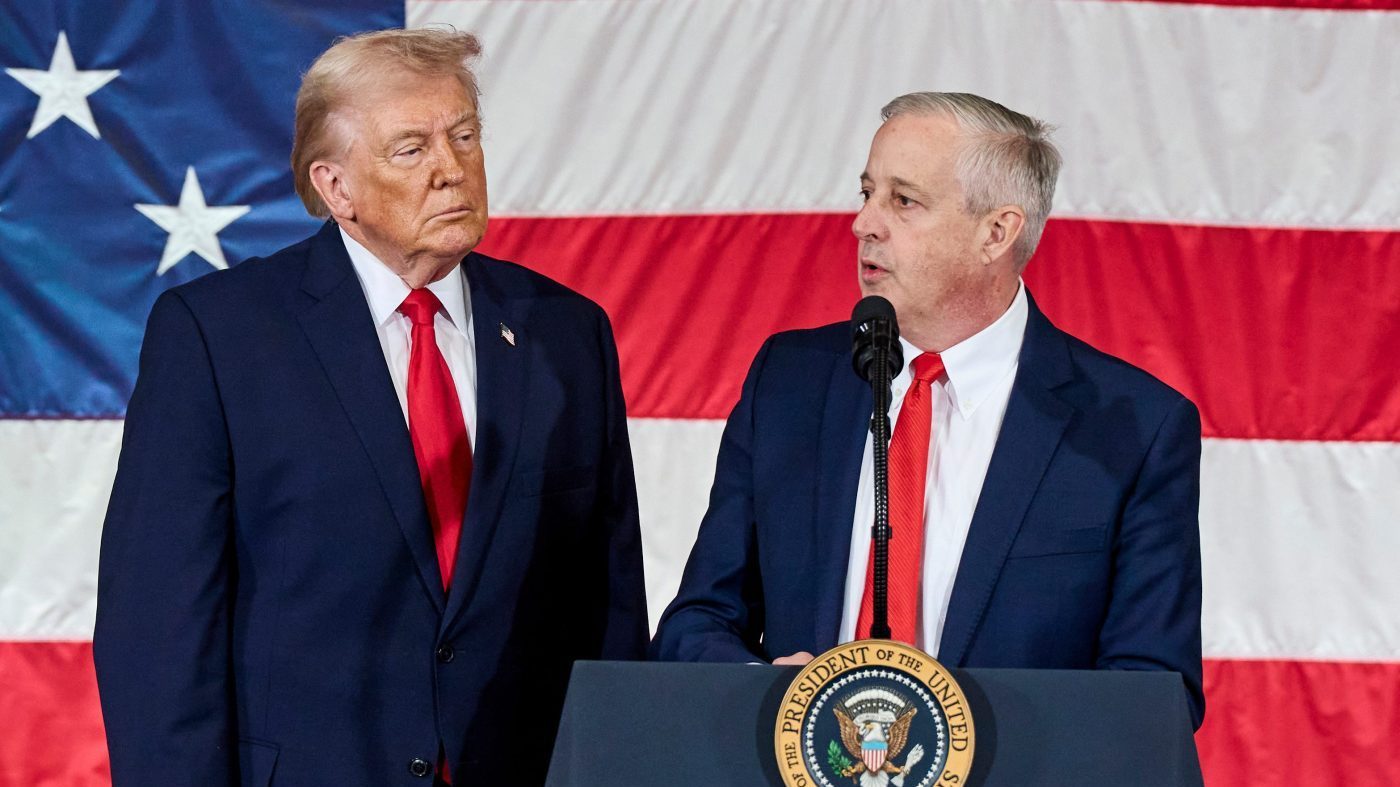
President Trump is set to headline a rally Wednesday evening for Republican Senate nominee Michael Whatley in Gastonia, North Carolina, as the party looks to defend a critical seat in next year's midterms. The event, scheduled for 7 p.m. EDT, marks Trump's first campaign appearance since last week's GOP convention and comes as Whatley faces an uphill battle against former Governor Roy Cooper.
Whatley, a former chair of the Republican National Committee, is running to succeed retiring Senator Thom Tillis. Tillis, a Republican, has been a vocal critic of Trump on some issues, including the president's recent dismissal of AI risks—a stance that has drawn sharp rebukes from tech experts. The race is shaping up to be one of the most closely watched Senate contests of the cycle, with control of the chamber hanging in the balance.
According to a recent Elon University poll, Cooper leads Whatley by a double-digit margin—49 percent to 38 percent among likely voters. The same survey found that more than half of North Carolinians disapprove of Trump's job performance, and affordability remains a top concern for voters across the state. Trump has won North Carolina in each of his three presidential bids, but his coattails may be shorter this time around.
The rally is part of a broader Republican push to maintain their slim congressional majorities. Trump's involvement is seen as a double-edged sword: while he can energize the base, his polarizing profile could alienate moderate swing voters in a state that has trended competitive in recent cycles.
Cooper, who served two terms as governor, is leveraging his record on economic development and healthcare. His campaign has sought to tie Whatley to Trump's more controversial policies, including the administration's costly federal buyout push, which a recent GAO report said cost $6.7 billion in paid leave for departing workers.
Whatley, for his part, has emphasized his conservative credentials and his work at the RNC, where he helped oversee voter integrity efforts. He has also echoed Trump's attacks on the media, a strategy that resonates with the GOP base but has drawn criticism from press freedom advocates, who note that Trump's legal battles echo Thomas Jefferson's complaints but ignore his wisdom.
The Senate race has also become a proxy for broader national battles, including the future of the filibuster. Trump has recently called for ending the 60-vote threshold, a move that critics warn threatens the Senate's deliberative role. Tillis, the outgoing incumbent, has been a defender of the filibuster, and his retirement could shift the state's representation on that issue.
Democrats see North Carolina as a pickup opportunity, and national groups are pouring money into the race. Cooper's double-digit lead suggests the state is leaning Democratic, but Trump's rally could narrow the gap by galvanizing Republican voters. Political analysts note that Trump's influence in the state remains significant, even as his overall approval ratings have sagged.
Wednesday's event is expected to draw thousands of supporters to Gastonia, a city west of Charlotte. The president is likely to focus on the economy, immigration, and his administration's accomplishments, while also taking aim at Cooper and national Democrats. The rally will be livestreamed for those unable to attend in person.
As the campaign heats up, both sides are bracing for a contentious and expensive fight. With control of the Senate on the line, the North Carolina race is set to be a marquee test of Trump's political pull and the GOP's ability to hold its ground in a changing electorate.