President Trump is championing the economic benefits of artificial intelligence data centers as states like Texas and New York move to rein in their rapid expansion, turning the issue into a fresh political battleground ahead of the midterms.
In an interview with Punchbowl News, Trump weighed in on the controversy, suggesting that communities should welcome the facilities. "I'm not taking positions," he said, "I just think it's a mistake because there are other communities that want it. When a community wants it, it means a lot of money is going to come into that community." He added that if he were a governor, he "would want data centers so badly," noting that "taxes are going to go way down because this is a tremendous source of income."
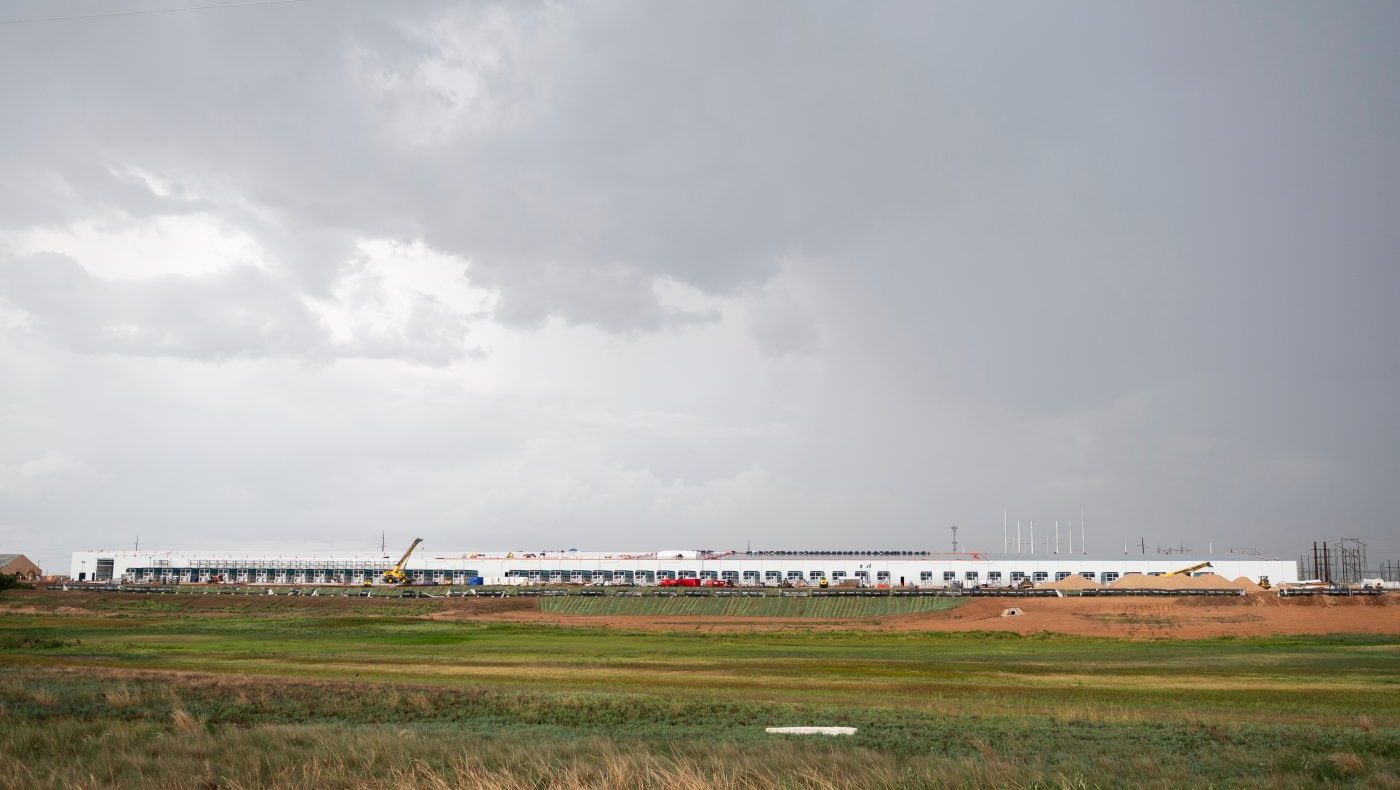
The president's remarks come after Texas Governor Greg Abbott, a Republican, placed a moratorium on new data center approvals pending audits of their power and water usage. Abbott's office cited that fewer than 10 percent of existing data centers complied with state reporting requirements. His spokesman, Andrew Maheleris, defended the pause, saying, "Governor Abbott's top priority is to protect Texans' safety and quality of life and ensure the integrity of our power grid and water supply." He also warned that ERCOT is tracking a 500% increase in peak electricity demand, which could threaten grid reliability.
Trump's stance has drawn praise from some conservatives who see it as a balanced approach. Republican strategist Chris Johnson said, "He is threading the needle perfectly here to bring both sides of this argument within the conservative movement where each side has legitimate arguments and concerns, and moving forward in a way that focuses on his main goal which is strategic competition with China, but provides economic and local benefits." Sarah Wagoner, an energy policy analyst at the Heritage Foundation, noted that data center impacts vary by region, but the biggest worry for communities is whether construction will drive up power bills.
However, Democrats are seizing on the issue, arguing that data centers are overrunning communities and shifting costs onto residents. Representative Suhas Subramanyam, whose Virginia district includes the heart of "Data Center Alley," told The Hill, "If a business comes into a community, usually it works really hard to foster a good relationship with that community. Instead, this is simply a gold rush and a land grab meant to turn a quick profit." He expressed doubt about passing reform legislation with a Republican majority, saying, "I'll have to count on a Democratic majority in the next Congress to find a path to getting them on the floor and passing them."
The political stakes are rising as polls show widespread public opposition. A Gallup survey from May found that 71 percent of Americans oppose data centers in their local areas, including 48 percent who are strongly opposed. On the left, environmental concerns dominate—these facilities consume massive amounts of electricity and water. On the right, opposition is growing over local control and community disruption.
Trump has also sought to address consumer concerns, announcing last month an expansion of his Ratepayer Protection Pledge to require data centers to "pay their own way" for electricity. He simultaneously highlighted the jobs they bring. Critics, though, point to his family's investments in data centers, though Trump denies any involvement.
New York Governor Kathy Hochul, a Democrat, issued the first statewide moratorium on data center development last month, signaling that the issue is not confined to Texas. With the midterms approaching, data centers have become a flashpoint in the fight for control of Congress, as both parties try to claim the mantle of protecting constituents from the downsides of the AI boom while still courting its economic upside.