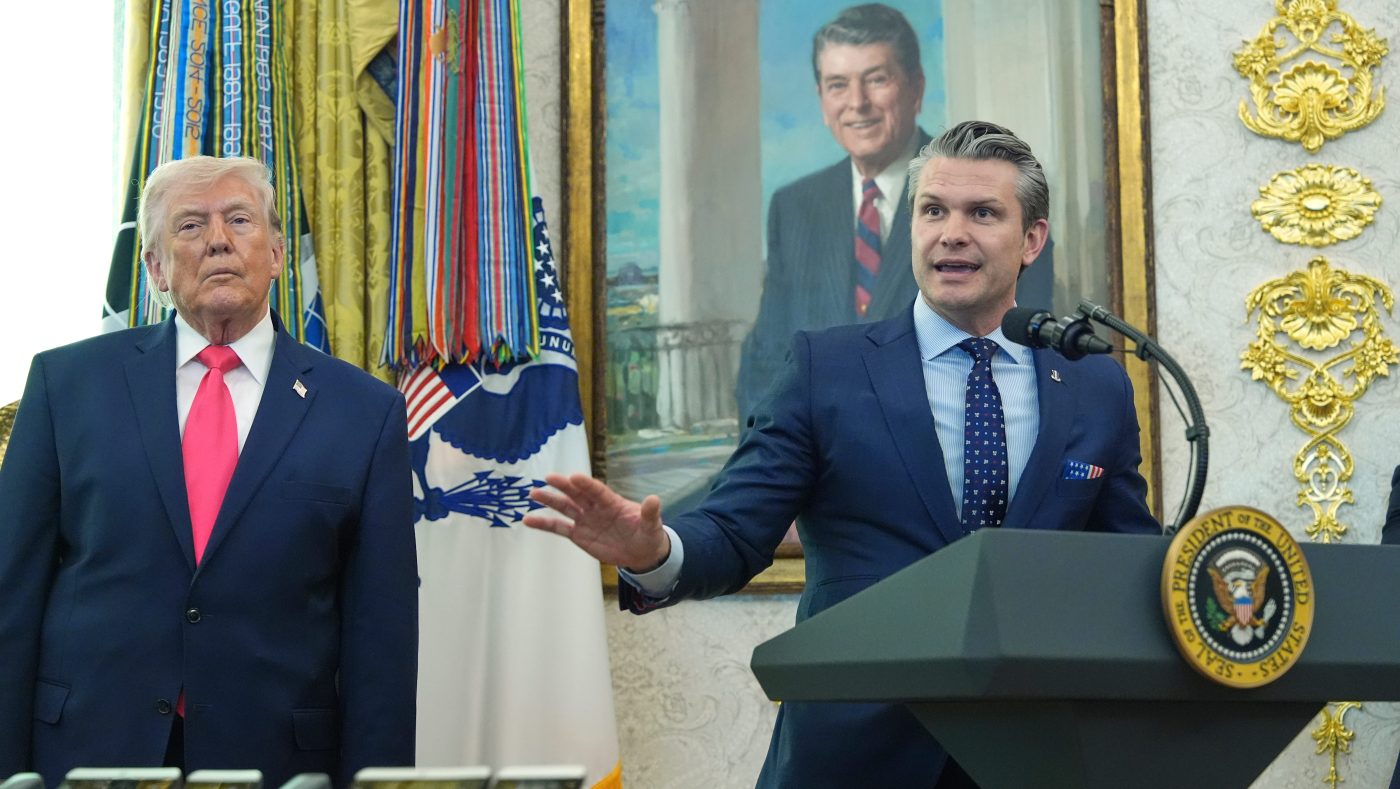
President Donald Trump declared on Tuesday that the United States has militarily defeated Iran, while simultaneously acknowledging he cannot predict when the ongoing conflict will formally end. The remarks, delivered during a press availability following a cabinet swearing-in, framed continued hostilities as primarily benefiting media outlets he routinely dismisses as unreliable.
"We're going to end it. I can't tell you for sure," Trump stated. "This war has been won. The only one that likes to keep it going is the fake news." The president's assessment comes amid a declared five-day pause in U.S. airstrikes, which the administration has characterized as a negotiating window. Iranian officials have publicly denied that direct talks with Washington are occurring.
Contradictory Signals and Military Claims
The victory declaration represents the latest in a series of contradictory statements from the White House on Iran policy. Trump has oscillated between suggesting diplomatic off-ramps are being explored and threatening renewed escalation. On Tuesday, he emphasized overwhelming U.S. air dominance, claiming American aircraft operate with impunity over Iranian airspace, including the capital. "We literally have planes flying over Tehran and other parts of their country. They can't do a thing about it," he said.
Trump also characterized the targeted killings of senior Iranian officials, which began with joint U.S.-Israeli strikes on February 28, as effecting a "regime change." He argued the current leadership is fundamentally different from the one in power when hostilities began. The new Supreme Leader, Mojtaba Khamenei—son of the leader killed in the initial strikes—has not been seen publicly since his ascension was announced.
Mounting Costs and Regional Fallout
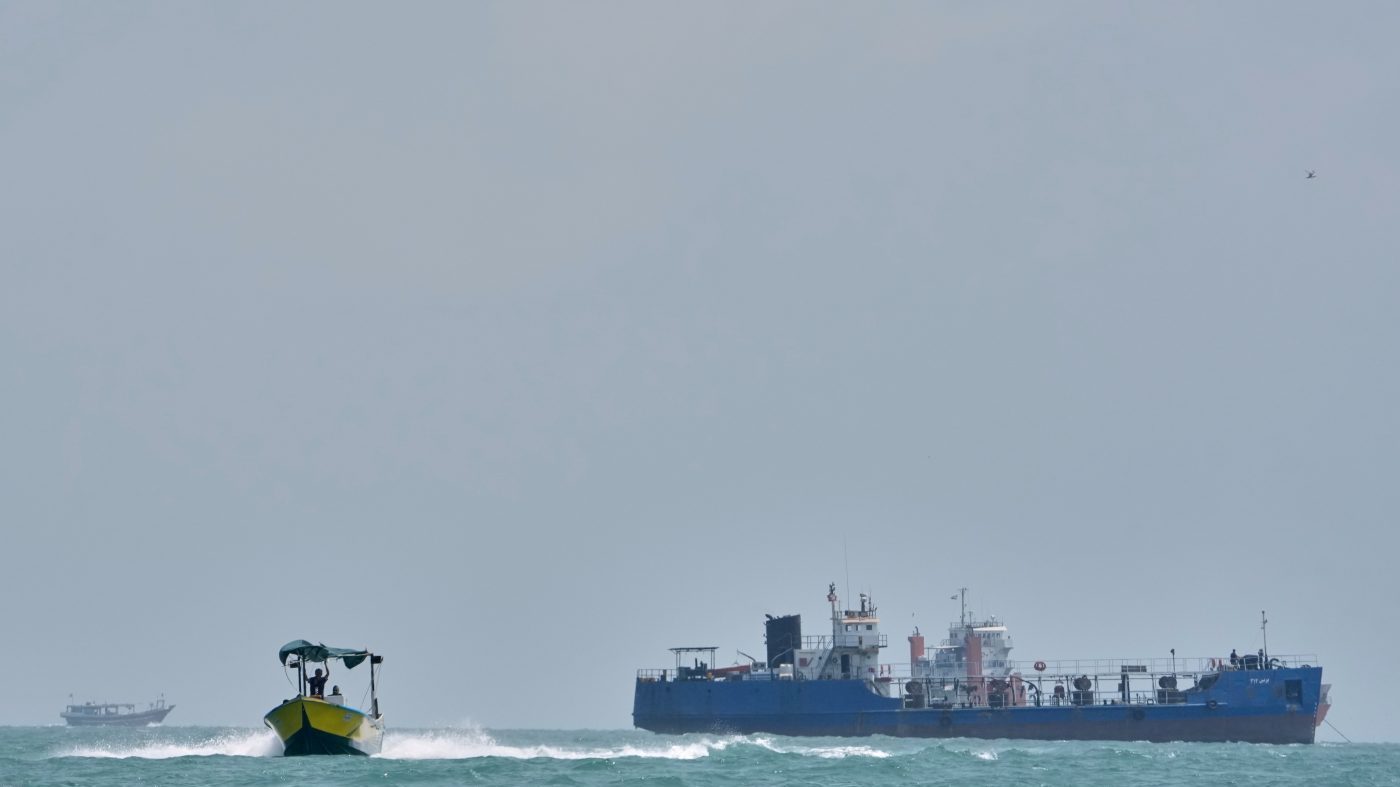
The political and economic pressures on the administration to find an exit strategy are intensifying. Iranian attacks targeting the Strait of Hormuz have severely constrained global oil shipments, triggering a worldwide energy crisis. In the United States, gasoline prices have risen by approximately one dollar per gallon, exacerbating an already difficult political climate for the president's party ahead of the midterm elections.
The human cost continues to climb. Iranian health ministry figures, shared with state television, report at least 1,500 killed and over 18,500 injured since the conflict's onset. From Tehran, Major General Ali Abdollahi Aliabadi, a spokesperson for Iran's top military command, vowed that armed forces would continue fighting "until complete victory."
Administration's Defense and Future Risks
Defense Secretary Pete Hegseth echoed the president's triumphant tone while seeking to distinguish the Iran campaign from prior protracted U.S. engagements. "Never has a modern military been so rapidly and historically obliterated, defeated from day one with overwhelming firepower," Hegseth told reporters. He framed U.S. strategy as one of coercive diplomacy, stating, "We negotiate with bombs." Hegseth insisted the mission's objectives were clearly defined, contrasting it with what he characterized as the vague goals of the Iraq and Afghanistan wars.
Despite claims of victory, the Pentagon has recently deployed additional troops to the region. Military analysts suggest these forces could be positioned for a potential ground operation, possibly targeting strategic assets like Kharg Island, which houses Iran's largest oil depot. Such an escalation would almost certainly increase U.S. casualties and amplify domestic political backlash against the administration. The move has already drawn sharp international criticism, including from the German president, who condemned the conflict as illegal and warned of lasting damage to transatlantic relations.
The situation remains volatile, with the administration attempting to balance a narrative of decisive victory against the realities of an unresolved conflict, a defiant adversary, and significant economic repercussions. The president's claim of success, while deferring a definitive end date, leaves open whether the U.S. is transitioning to a sustained containment posture or preparing for a further, riskier escalation.