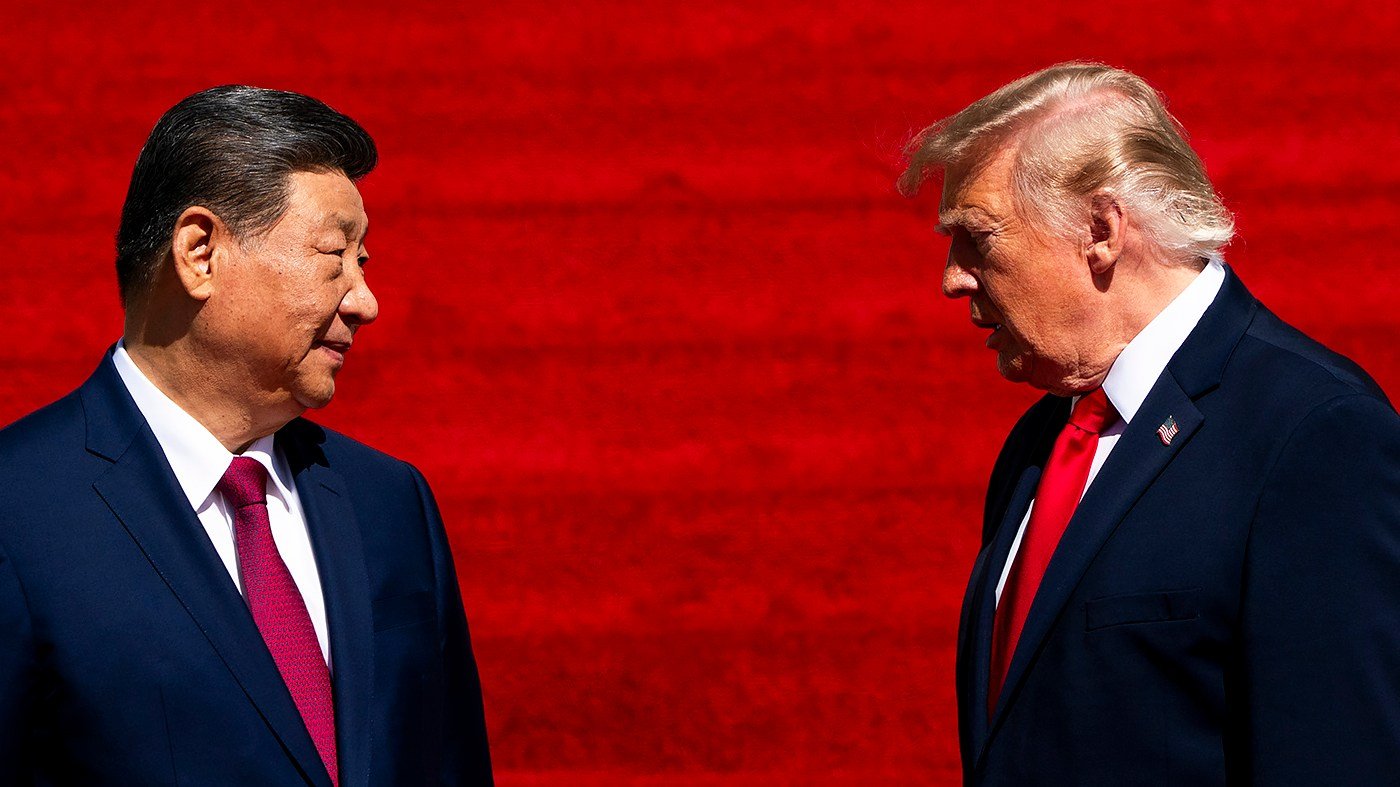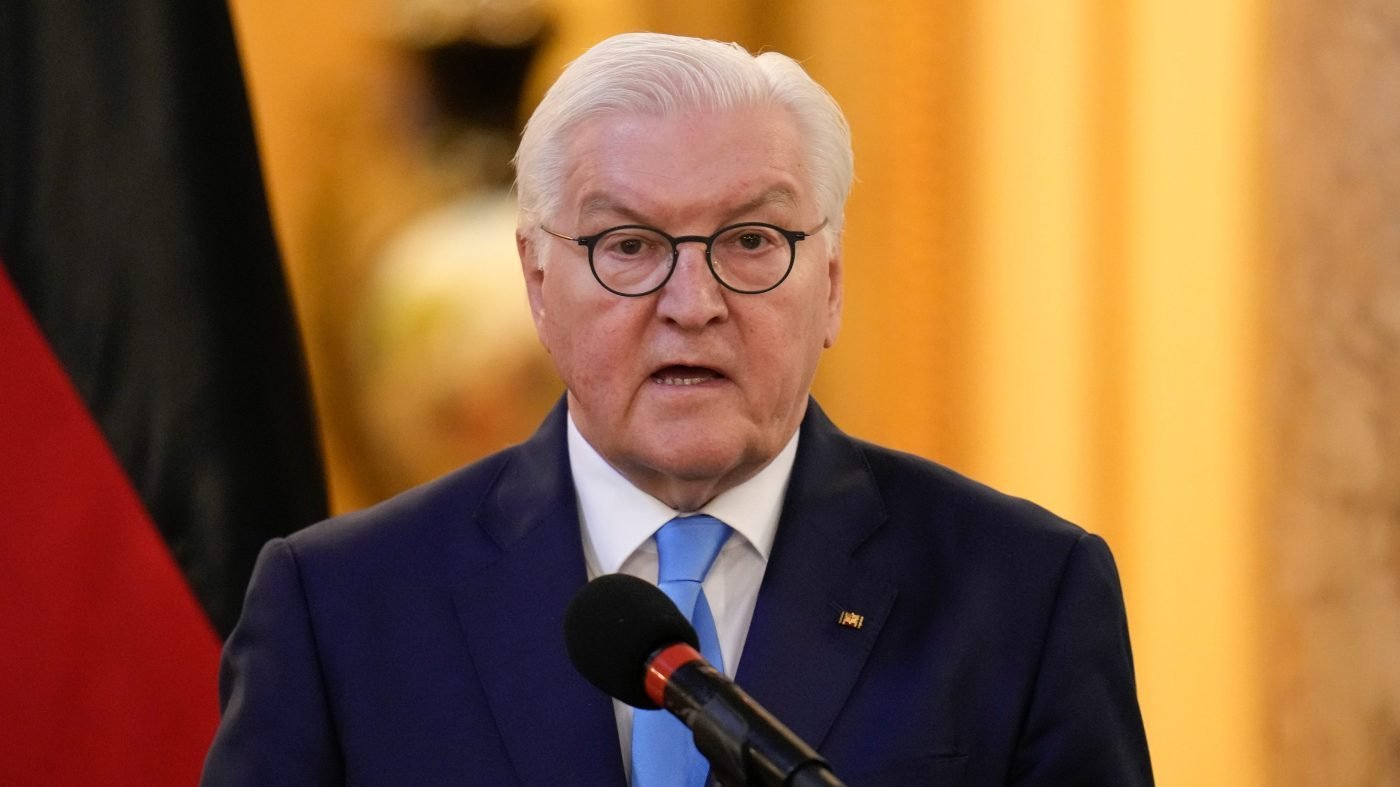
In a significant diplomatic rebuke, German President Frank-Walter Steinmeier has declared the United States' military conflict with Iran under President Donald Trump both illegal and politically catastrophic. Delivering a speech at the German Foreign Ministry on Tuesday, Steinmeier framed the situation as a fundamental breach of international norms that has shattered European trust in American leadership.
A Historic Rupture in Foreign Relations
Steinmeier argued that the onset of Trump's second term represents a break in international relations as consequential as Russia's full-scale invasion of Ukraine in 2022. "Just as I believe there will be no going back in relations with Russia to before Feb. 24, 2022, so too do I believe there will be no going back in transatlantic relations to before Jan. 20, 2025," he stated, marking the inauguration date of Trump's current term. This comparison elevates the crisis with Washington to the level of a historic geopolitical fault line.
The German president, who holds a largely ceremonial role that affords greater freedom for blunt criticism, dismissed the Trump administration's justification for offensive actions against Iran. "There is little doubt that, in any case, the justification of an imminent attack on the U.S. does not hold water," he said. He insisted on calling the conflict what it is, asserting, "Our foreign policy does not become more convincing just because we do not call a breach of international law a breach of international law."
Deepening Crisis and Global Fallout
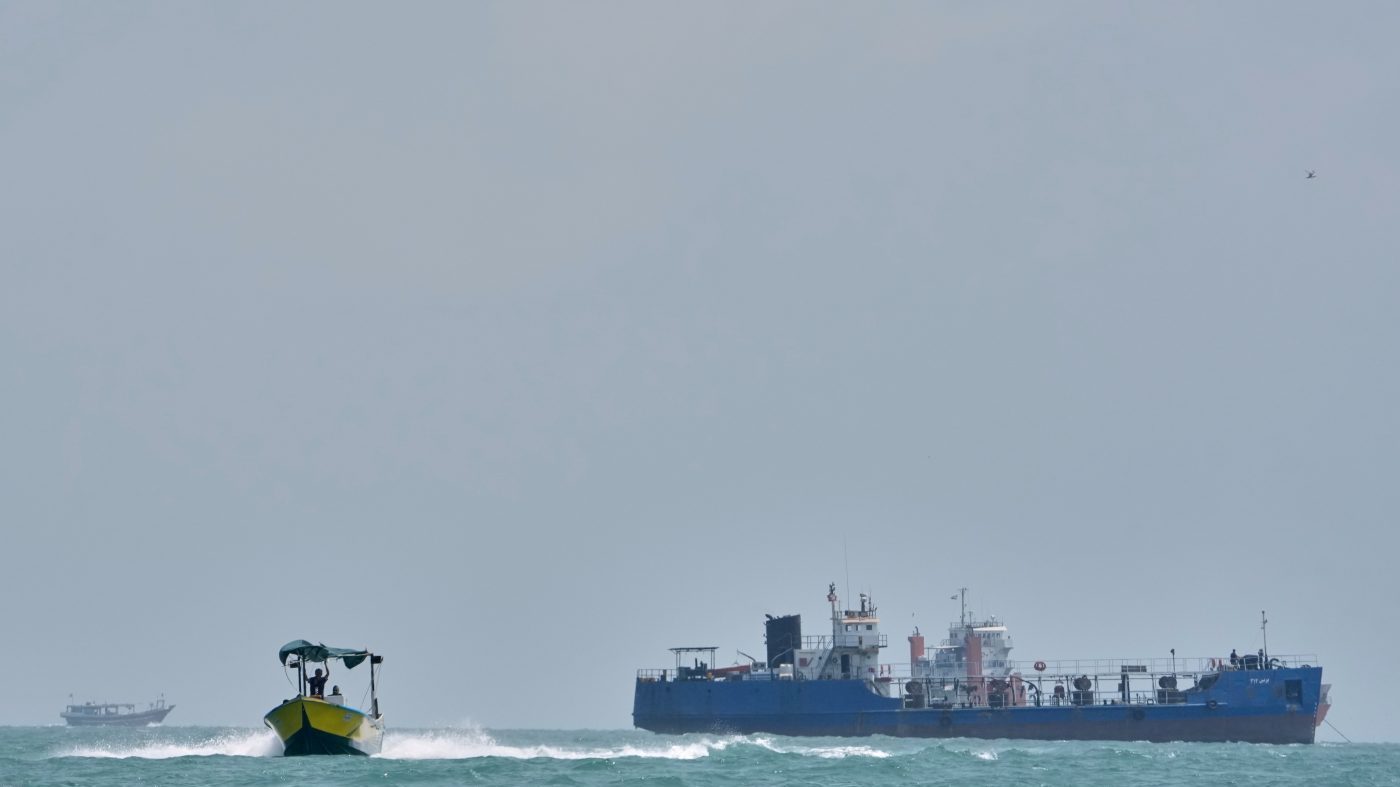
The remarks underscore profound European frustration with Washington's unilateral approach. "The rift is too deep and the trust in American power politics has been lost, not only among our allies but ... worldwide," Steinmeier added. The conflict, which began with U.S. and Israeli strikes against Iran on February 28, has escalated rapidly. Iran has retaliated against American facilities across the Middle East and has effectively blockaded the Strait of Hormuz, a critical chokepoint for global energy shipments, throwing oil markets and the wider economy into turmoil.
The political divide within Germany was also highlighted. While Chancellor Friedrich Merz, of the conservative Christian Democratic Union, has expressed concerns about the war while stressing the need to preserve U.S. relations, Steinmeier—a member of the center-left Social Democratic Party—delivered a far more scathing assessment. He labeled the war a "politically disastrous mistake" with irrevocable consequences.
In a recent development, President Trump walked back a U.S. threat to strike Iranian energy infrastructure, citing ongoing talks. However, Tehran has publicly denied that any negotiations are taking place, highlighting the opacity and volatility of the situation. The crisis is set to dominate the agenda of the upcoming Group of Seven meeting, where U.S. Secretary of State Marco Rubio will confer with foreign ministers from Canada, France, Germany, Italy, Japan, and the United Kingdom. The State Department said discussions will focus on Middle East stability, the war in Ukraine, and broader global threats.
The conflict's economic repercussions are already being felt. The disruption to Middle Eastern shipping and security has led major industry figures, like the United Airlines CEO, to warn of sustained high fuel costs for the foreseeable future, impacting global travel and commerce.
Broader Context of U.S. Domestic Politics
Steinmeier's critique arrives amid a fiercely contested political environment in the United States, where Trump's policies continue to provoke intense debate and legal challenges. The administration's focus on security and immigration has previously led to controversial domestic measures, such as the decision to deploy ICE agents to major airports during a TSA staffing crisis. Furthermore, Trump's efforts to consolidate federal control over elections have spurred a bipartisan legal coalition to counter the administration's initiatives.
Steinmeier's speech signals that the transatlantic alliance, a cornerstone of post-war global order, is undergoing its most severe stress test in decades. The German president's unambiguous condemnation reflects a European consensus that Washington's current trajectory has crossed a red line, challenging the very framework of international law that has governed Western relations since 1945.