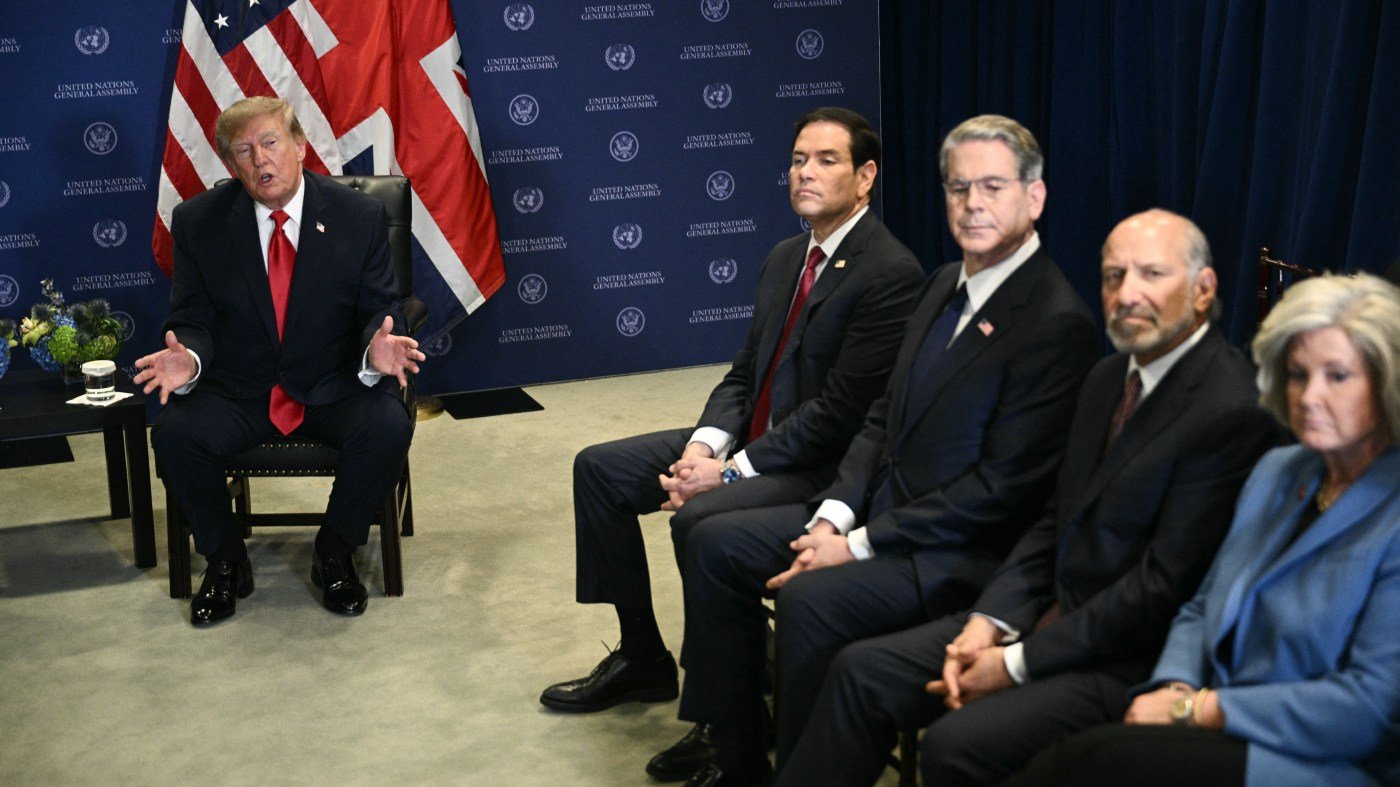
The Trump administration is betting big on nuclear power, announcing Tuesday that it will provide $17.5 billion in conditional loans to accelerate the construction of 10 large-scale nuclear reactors. The move marks a significant federal push to revive an industry that has struggled with high costs and long delays for decades.
Energy Department leaders said the loans will be split among up to five projects, each supporting two reactors. Every project receiving financing will be jointly owned by Westinghouse Electric Company and a utility or energy partner. The funds are expected to cover the purchase of long-lead-time nuclear plant components, a critical bottleneck in reactor construction.
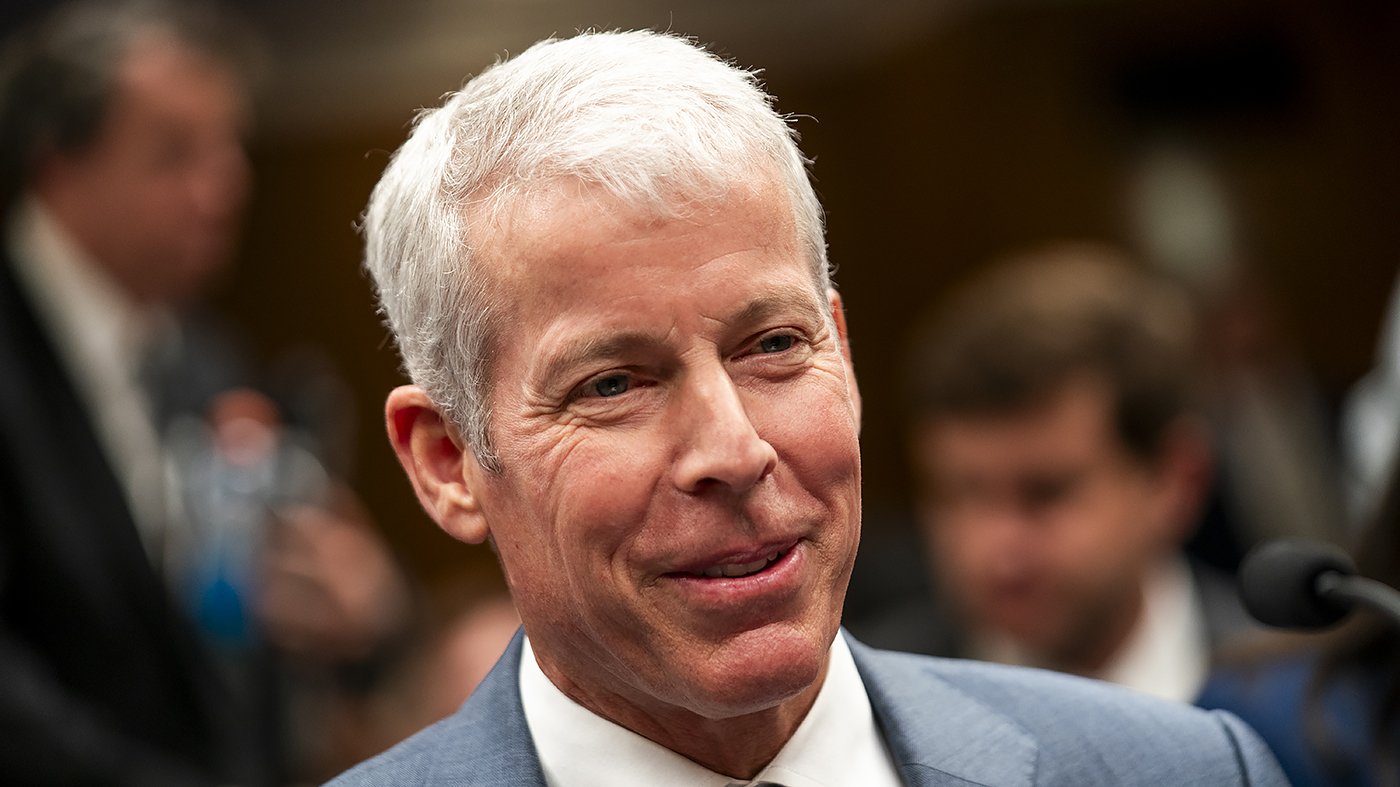
Energy Secretary Chris Wright framed the announcement as a cost-cutting and speed-boosting measure. “This deal plays an important role in reviving the supply chain needed for America to once again build large-scale commercial reactors,” Wright said in a statement. He added that the initiative “drives down costs and accelerates nuclear deployment in America.”
The loan package comes as President Trump pushes to quadruple the nation’s nuclear power capacity by 2050, a goal he set via executive order last year. The administration views nuclear energy as a reliable, carbon-free power source that can complement renewables and meet growing electricity demand. The push also enjoys support from some left-leaning lawmakers who see nuclear as a climate solution, though opponents continue to raise safety and radioactive waste concerns.
Most of the U.S. nuclear fleet was built decades ago, and new reactors have faced a series of hurdles. While a few new plants came online in 2023 and 2024, the industry has been plagued by cost overruns, lengthy approval processes, and construction delays. The Energy Department hopes to have the reactors under construction by 2030, with power generation starting in the mid-2030s, according to Greg Beard, director of the Office of Energy Dominance Financing.
To qualify for the loans, Westinghouse and its partners must each commit $500 million upfront per project. Westinghouse has signed letters of intent with seven potential partners, but the department declined to name the companies or disclose project locations. Wright emphasized that meeting Trump’s target of adding 300 gigawatts of nuclear capacity requires deploying all available technologies, including large-scale reactors.
The announcement comes amid broader political battles over energy and defense spending. GOP fiscal conservatives have pushed back against Trump’s $1.5 trillion defense and Iran war funding proposal, while the administration has also faced internal GOP divisions over the SAVE Act. Nuclear power, however, remains a rare point of bipartisan agreement in Washington.
The loans are part of a broader strategy to reestablish U.S. leadership in nuclear technology, which has been ceded to competitors like China and Russia. By subsidizing large-scale reactors, the administration hopes to rebuild the domestic supply chain and create thousands of construction and manufacturing jobs. Critics argue the massive price tag and long timelines could still deter private investment, but administration officials insist the loans are essential to jumpstart a stalled industry.