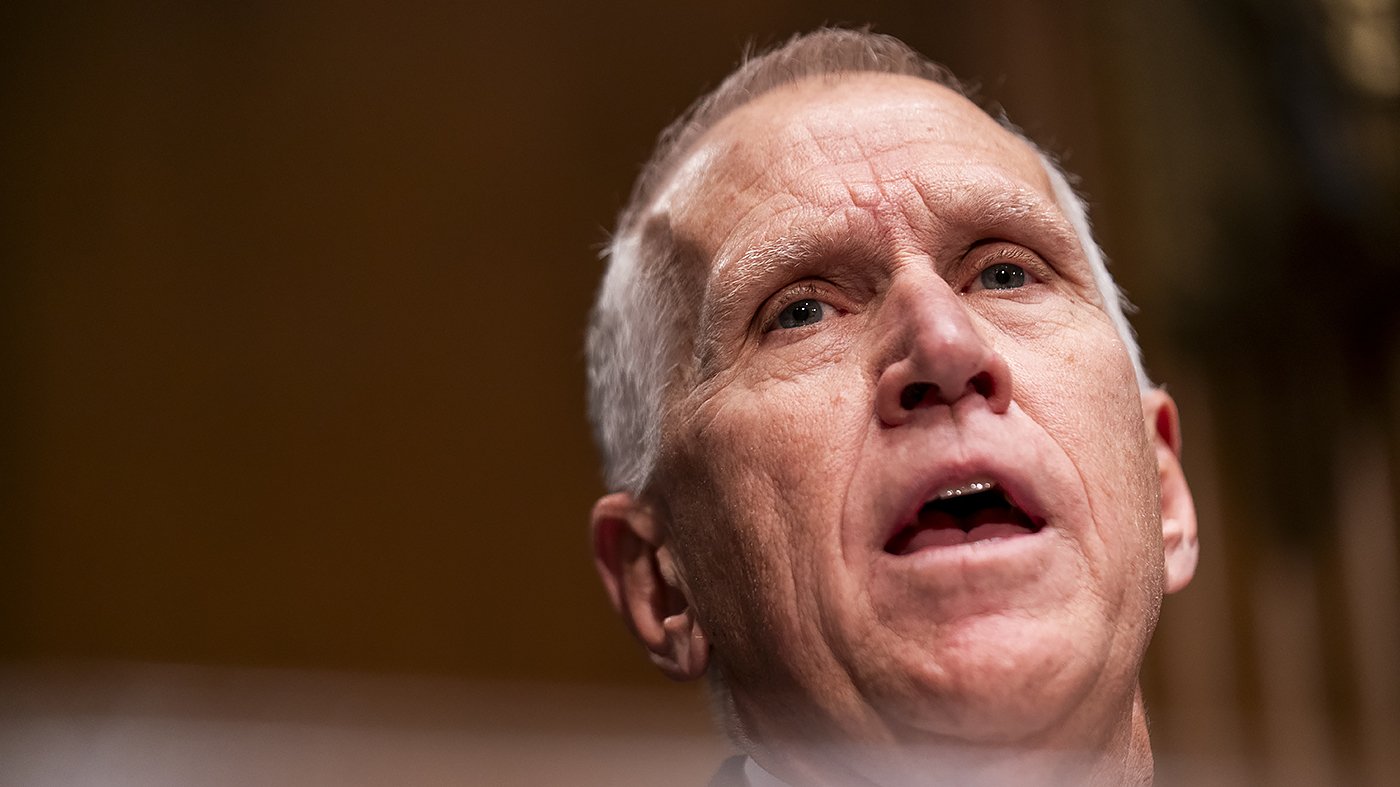
Senator Thom Tillis of North Carolina has established a firm condition for his support of the next nominee for attorney general, stating he will oppose any candidate who attempts to minimize or excuse the January 6th assault on the U.S. Capitol. The Republican senator's declaration comes as the White House prepares to name a successor to former Attorney General Pam Bondi, who was recently dismissed by President Trump.
"For me, the threshold for somebody following Pam Bondi ends the moment I hear they said one thing that excused the events of January the 6th. I've been very clear on that," Tillis stated during an interview on CNN. "So I hope whoever they have in mind to follow General Bondi is very clear-eyed on my position on Jan. 6."
A Consistent Stance on Prosecutorial Appointments
This is not the first time Tillis has applied this standard to a judicial or prosecutorial nominee. He cited similar reasoning in 2025 when he opposed the nomination of Ed Martin to serve as U.S. Attorney for the District of Columbia, citing Martin's advocacy for individuals convicted of crimes related to the Capitol riot. "If Mr. Martin were being put forth as a U.S. attorney for any district except the district where Jan. 6 happened, the protest happened, I'd probably support him but not in this district," Tillis told reporters at the time. Martin's nomination was ultimately withdrawn.
Deputy Attorney General Todd Blanche is currently serving as acting attorney general following Bondi's departure. It remains unclear if President Trump will nominate Blanche for the permanent role or select another candidate. One name reportedly under consideration is Environmental Protection Agency Administrator Lee Zeldin, a former Republican congressman from New York.
Narrow Math in the Senate
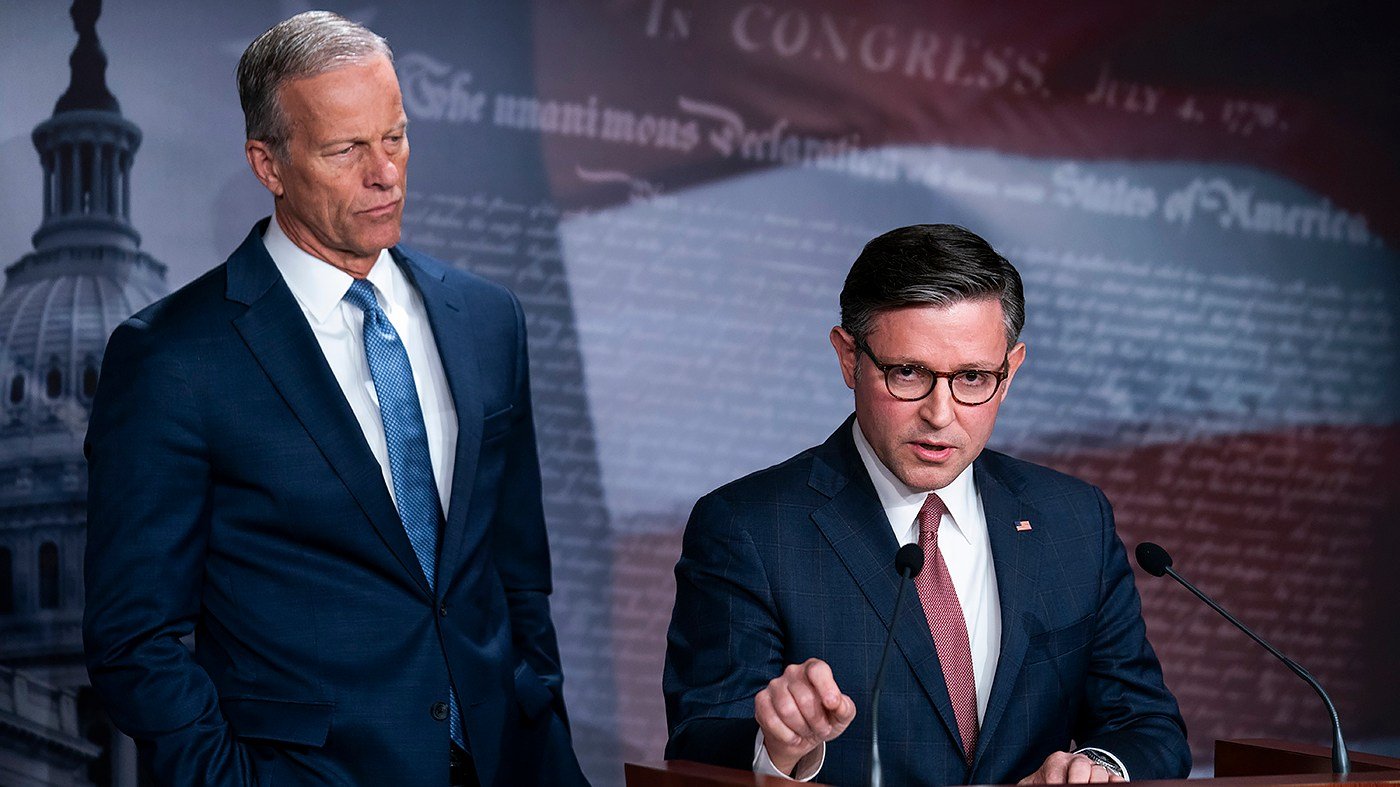
The political calculus for confirmation is tight. Republicans hold a narrow 53-47 majority in the Senate. If Democrats remain united in opposition to a Trump nominee, Republican leadership can only afford three defections from their own party, with Vice President J.D. Vance holding the tie-breaking vote. Tillis's position therefore grants him significant leverage, a fact underscored by his role as a key member of the powerful Senate Judiciary Committee, which holds initial confirmation hearings.
The senator has not indicated whether he would support or oppose Blanche specifically if nominated. His warning appears designed to shape the White House's selection process from the outset, ensuring the nominee's public record on the January 6th attack is beyond reproach. This stance highlights the enduring political divisions surrounding the event, even years later.
This internal GOP dynamic echoes other recent tensions within the party, such as the split among House Republicans over Department of Homeland Security funding, where Democratic support became necessary to advance legislation. It also reflects the broader challenge for the party in navigating its coalition, a challenge evident in states like California, where primary strategies may jeopardize general election chances.
Tillis's public ultimatum sets the stage for a contentious confirmation process later this year. It signals that for at least one pivotal Republican senator, a nominee's interpretation of the January 6th attack is a non-negotiable litmus test, ensuring the event remains a central fault line in Washington politics. The White House must now weigh its choice carefully against this declared red line.