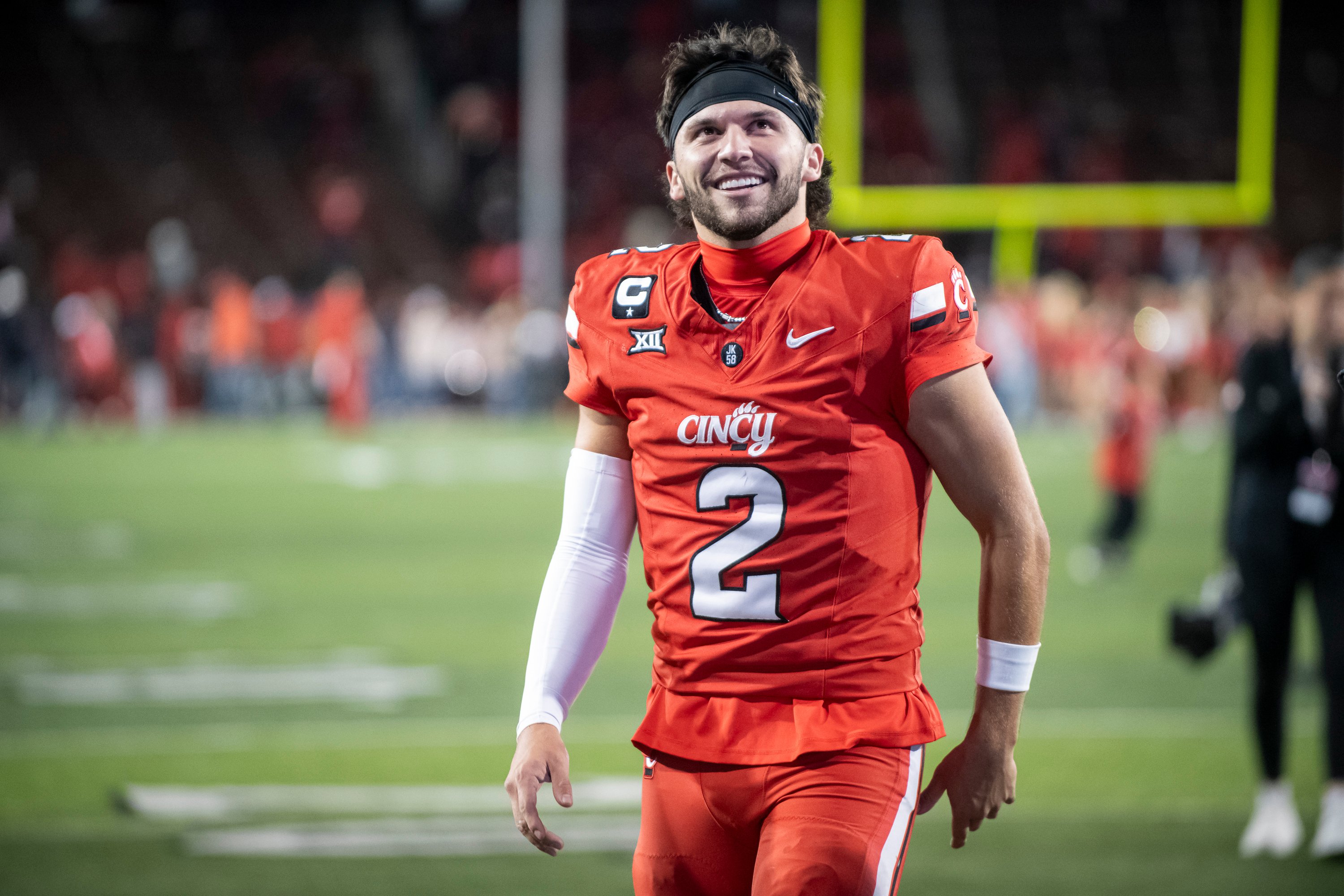
The story of Texas Tech quarterback Brendan Sorsby is a stark reminder that the problems with sports gambling in college athletics run deeper than anyone imagined. Since the Supreme Court legalized sports betting in 2018, it has become a fixture of American life, filling state coffers and providing harmless entertainment for many. But for a vulnerable subset—especially young male athletes—it has become a destructive addiction, one that now threatens the integrity of the games themselves.
Earlier this year, a group of college athletes was caught fixing games they played in, a scandal many thought represented the lowest point for sports gambling. But the Sorsby case has proven that rock bottom has a basement. Sorsby, who started his career at Indiana, transferred to Cincinnati on a lucrative NIL deal, then reneged to join Texas Tech for an even bigger contract. He later admitted to betting on Indiana games while he was redshirting, revealing a gambling addiction that prompted him to enter a treatment program.
To regain eligibility, Sorsby sued the NCAA and won a temporary injunction from a panel of judges—all Texas Tech graduates—allowing him to play in 2026. He ultimately declared for the NFL Supplemental Draft, ending the immediate drama but leaving a shattered policy in his wake.
The case illustrates how the three-headed monster of NIL, the transfer portal, and extended eligibility creates a fertile environment for abuse. Each element individually is manageable, but together they empower athletes to exploit the system. The NCAA's zero-tolerance policy on gambling now faces a direct challenge: any athlete caught betting can cite the Sorsby ruling as a defense, claiming “probable, imminent and irreparable injury.”
Several schools, including Georgia and Nebraska, threatened to boycott games against Texas Tech if Sorsby played, a move that would have punished every athlete at the school for one player's actions. The NCAA and Big 12 have expressed dismay, but the damage may already be done. As the NCAA appeals the ruling, the precedent could allow athletes in skill positions—quarterbacks, running backs, wide receivers—who can influence point spreads to gamble with impunity.
Hunter Dekkers, who faced gambling allegations in 2021, might have benefited from such a loophole had it existed then. The larger issue is not just about one player but about the erosion of values that college athletics once stood for. Athletic directors can still choose the high road: refuse to play athletes caught gambling, even if they are legally eligible. That may cost games and championships, but it restores some moral ground.
As debates over bipartisan college sports reform continue, the Sorsby case underscores that legal does not mean ethical. The NCAA and universities must decide whether winning and money outweigh the integrity of the sport and the well-being of young people. For now, the message to athletes is clear: gambling has no place on the field or in their lives while in college.