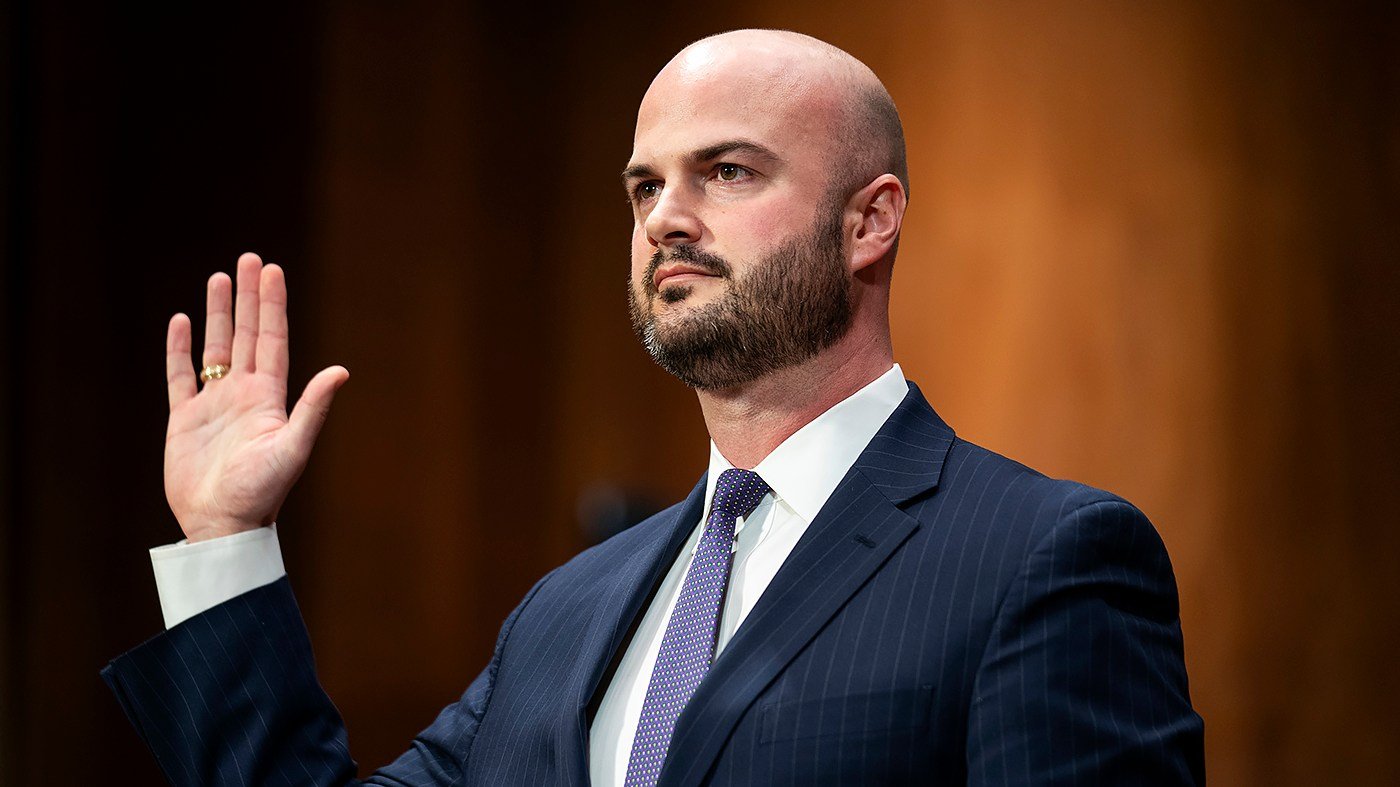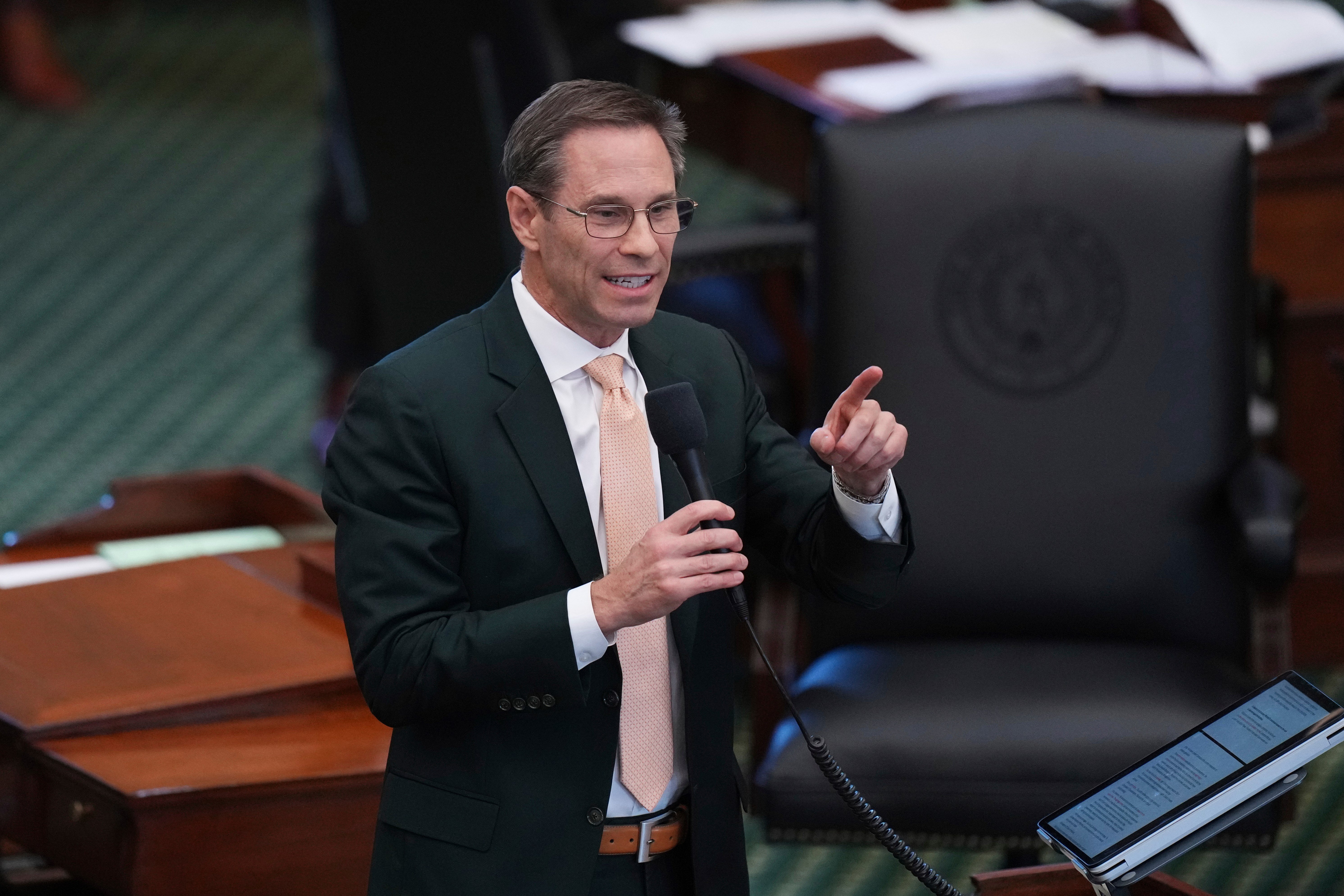
The 2026 midterms delivered sweeping victories for abortion rights supporters, but the most consequential changes may come from state attorneys general who are now signaling a shift in enforcement. Texas Attorney General-elect Nathan Johnson (D) has already made waves by announcing he will not continue his predecessor's practice of suing out-of-state providers who mail abortion medications to Texas residents.
In an interview with the Texas Tribune shortly after his win, Johnson said he would respect other states' shield laws, which protect providers from legal action in states where abortion is banned. "I can honor other states' shield laws," he stated, a departure from the aggressive cross-border litigation pursued by outgoing AG Ken Paxton.

Shield laws, now in effect in 23 states plus the District of Columbia, create a legal buffer for providers, patients, and supporters against out-of-state lawsuits and investigations. Eight of these states explicitly protect telehealth abortion providers, allowing them to ship medications to patients in states with total bans without fear of extradition, license revocation, or civil judgments.
These laws have already had a measurable impact. According to the Guttmacher Institute, in July 2026 an estimated 9,960 abortions were provided via telehealth by shield law providers to patients in the 13 states with total bans—4,840 of them to Texans. That data underscores how telehealth has become a critical lifeline for people in restrictive states.
Johnson's commitment is a direct rebuke to the legal tactics employed by anti-abortion officials like Paxton, who have attempted to extend their state's laws beyond their borders. While no shield provider has lost a case, the threat of prosecution or financial ruin has deterred some from offering care. Travel remains an option, but it's costly and logistically difficult for many.
In 2025, nearly 23,000 Texans traveled out of state for abortions, most to New Mexico and Kansas, with some going as far as New York. That number could shrink if more providers feel safe shipping medications into Texas and other ban states.
The midterm elections also created new opportunities for codifying shield protections. Democrats won full control of legislatures in Arizona and Pennsylvania, where governors had previously issued shield executive orders that could now be turned into permanent statutes. Governors in other states can also appoint health board members who influence how abortion bans are enforced.
Refusing to sue shield providers and dropping punitive investigations is not just a legal stance—it's a responsible use of state resources. As Amanda Allen, executive director of the Abortion Coalition for Telemedicine, and Kelly Baden, vice president for public policy at the Guttmacher Institute, argue, these assurances are a "clarion call" for elected officials to protect access.
Johnson's pledge is a significant step, but advocates say more is needed. Stronger laws and a secure legal environment for providers are essential to maintaining this lifeline. The Democrats' victories on abortion in the midterms must translate into concrete action, not just seats.
Texas is now a testing ground for whether a new generation of attorneys general will use their power to shield providers rather than punish them. As the state's political landscape shifts—with Democrats also winning the governorship and other down-ballot races—the impact on abortion access could be profound.