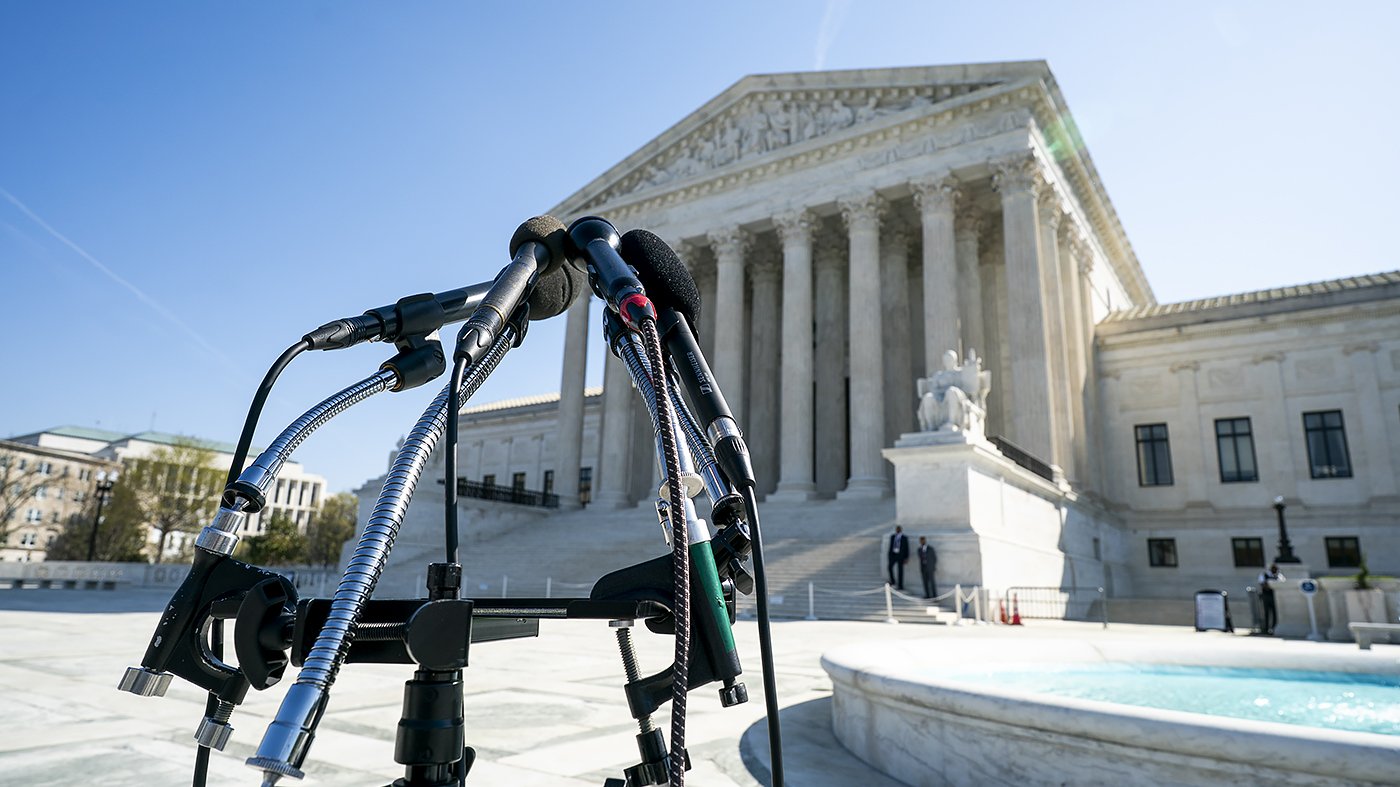
Hacker Avoids Prison After Targeting Federal Judiciary
A federal judge sentenced a Tennessee man to probation on Friday for repeatedly hacking into the U.S. Supreme Court's electronic filing system, along with accounts at AmeriCorps and the Veterans Administration Health System. Nicholas Moore, 25, pleaded guilty to a misdemeanor computer fraud charge that could have carried up to one year in prison and a $100,000 fine.
Prosecutors Cite Youth and Remorse in Seeking Leniency
The Justice Department recommended probation, describing Moore in court filings as a "vulnerable young man" whose personal circumstances suggested he could redirect his interests productively. Assistant U.S. Attorney Mary Elizabeth Bultemeier argued that Moore "seems to have acted more to show off to online acquaintances than to leverage the accounts he accessed for financial gain." She initially sought a 36-month probation term, which she contended would not be burdensome.

Moore's attorney, Eugene Ohm, requested the 12-month probation sentence ultimately imposed, telling the court his client has struggled with mental health and other disabilities since birth. Ohm said Moore's hacking attempts represented an effort to prove himself to online bullies, and that he has since suspended his "toxic" online social life and is working toward reintegrating into community spaces like church.
Pattern of Intrusions and Social Media Boasts
According to court documents, Moore used stolen login credentials to access the systems in 2023, viewing personal information of authorized users and sometimes posting it online. He first targeted the Supreme Court, accessing an authorized user's e-filing account on 25 different days, sometimes multiple times daily. There, he obtained full names, addresses, security question answers, and other identifying information.
Moore boasted about his access on social media using the handle "@ihackedthegovernment," posting screenshots of the Supreme Court account's landing page to his Instagram. He later did the same with records from AmeriCorps and the VA Health System, the latter revealing sensitive details including a user's phone number, blood type, and military service branch.
Courtroom Apology and Judicial Response
"I made a mistake," Moore told U.S. District Judge Beryl Howell during a virtual court appearance. "I am truly sorry. I respect laws, and I want to be a good citizen." Prosecutors noted his immediate admission of guilt and acceptance of a plea deal when confronted by federal law enforcement as factors supporting a lighter sentence.
Judge Howell, who imposed the 12-month probation sentence, noted Moore's technical abilities while delivering the judgment. She remarked that his potential was apparent given the ease with which he breached three government systems. The government confirmed that none of the individuals whose accounts were accessed suffered financial losses, and Moore has not engaged in similar conduct since 2023.
The case highlights ongoing cybersecurity vulnerabilities within federal institutions, even as the judiciary faces other significant challenges. Recent scrutiny of the Supreme Court has extended beyond security breaches to include internal critiques, such as Justice Ketanji Brown Jackson's criticism of the court's use of the emergency "shadow docket". Meanwhile, political attention remains focused on potential future vacancies, with former President Donald Trump signaling his readiness to fill any openings should he return to office.
Moore's targeting of the VA Health System also intersects with broader policy debates about veterans' care and data security. His case unfolds amid continuing political battles over healthcare policy, including congressional examinations of Trump-era health policies that affect millions of Americans.