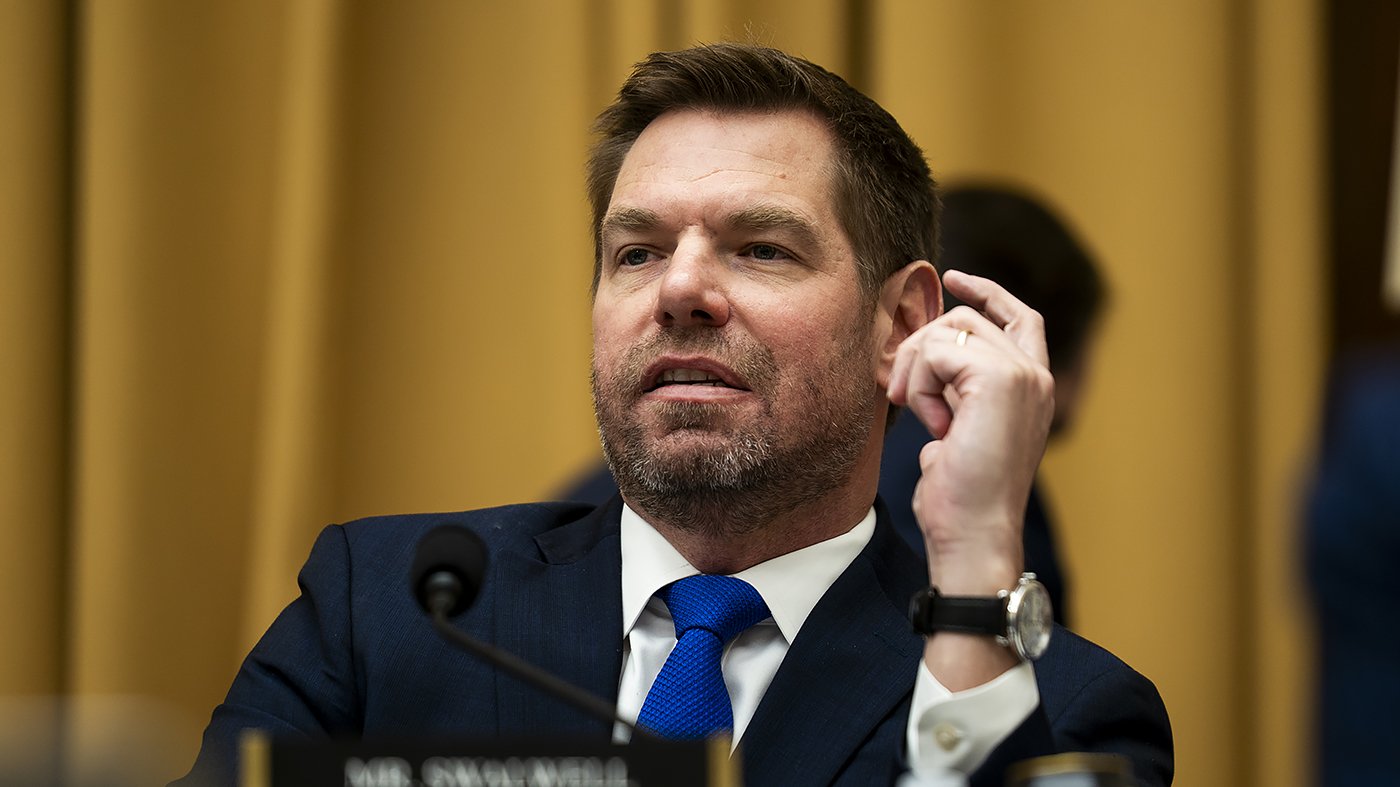
The FBI's potential release of documents related to a Chinese intelligence operative who interacted with Democratic Congressman Eric Swalwell has ignited a fierce political and legal confrontation, with Swalwell accusing the bureau of weaponizing law enforcement to interfere in California's gubernatorial race.
Swalwell, a candidate in the crowded primary to replace Governor Gavin Newsom, sent a formal cease-and-desist letter to FBI Director Kash Patel on Monday. His legal team argues that releasing the files would violate Justice Department guidelines prohibiting actions that could influence an election, as well as Swalwell's privacy rights. California's primary is scheduled for June.
A Long-Running Political Feud
This clash represents the latest escalation in a years-long conflict between Swalwell and figures in Trump's orbit. Swalwell was a prominent manager in President Trump's first impeachment and later filed a civil lawsuit against Trump related to the January 6 Capitol attack. In turn, Patel has publicly targeted Swalwell, listing him among so-called "government gangsters" in a recent book—a document some Democrats fear could guide future prosecutions.
"It's just absurd and probably the worst abuse that we've seen since the J. Edgar Hoover days," Swalwell said in a CNN interview, comparing the FBI's actions to the bureau's historical surveillance of civil rights leaders and political opponents. "We expect more will come, other nonsense from the administration. But we don't trust them one bit."
Allegations of Partisan Targeting
Swalwell's attorneys, Sean Hecker and Norm Eisen, wrote in their letter to Patel that any release of the files constitutes "a nakedly partisan attempt to target Congressman Swalwell based on his political views." They cited Patel's documented personal enmity toward the congressman and argued the move is a transparent attempt to smear his campaign.
The case centers on Swalwell's past interactions with Christine Fang, also known as Fang Fang, who reportedly assisted with fundraising and placed an intern in his office during the 2014 election cycle. Swalwell has consistently denied any wrongdoing, stating he severed contact after U.S. intelligence officials provided a defensive briefing indicating she might be an operative. The FBI has disputed initial reports about contemplating the file release, stating, "the contentions in this story are incorrect," and explaining document preparation is routine for inter-agency review.
A Potential Political Boon in Blue California
Paradoxically, political strategists suggest the confrontation with the Trump-aligned FBI could significantly benefit Swalwell's campaign. In a state where Trump lost decisively three times and maintains approval below 30%, being targeted by the former president's administration often elevates a Democrat's standing with the base.
"The reality is, this is a boon for Swalwell," said veteran California Democratic strategist Garry South. "Any perception by Democratic voters that Trump is coming after you basically makes you a sympathetic figure. This just puts a finger on [Swalwell] as the Democratic candidate that Trump fears the most, or hates the most."
This dynamic has precedent. Governor Newsom's national profile rose following clashes with Trump, and Senator Alex Padilla gained stature after being removed from a Homeland Security press conference. For Swalwell, who is among ten candidates in a nonpartisan primary where Democrats risk splitting their vote, the heightened attention could be crucial. "There might not be a better way for a Democratic aspiring governor to elevate, to rise above the field," noted Dan Schnur, a political communications professor at USC and UC Berkeley.
The controversy unfolds against a backdrop of intense political battles between the Biden and Trump factions, including Trump's vows to prosecute media outlets over national security leaks and broader Democratic struggles to consolidate political strength ahead of the midterms. The outcome of Swalwell's demand and the FBI's response will test the boundaries of law enforcement's role in politically charged environments.