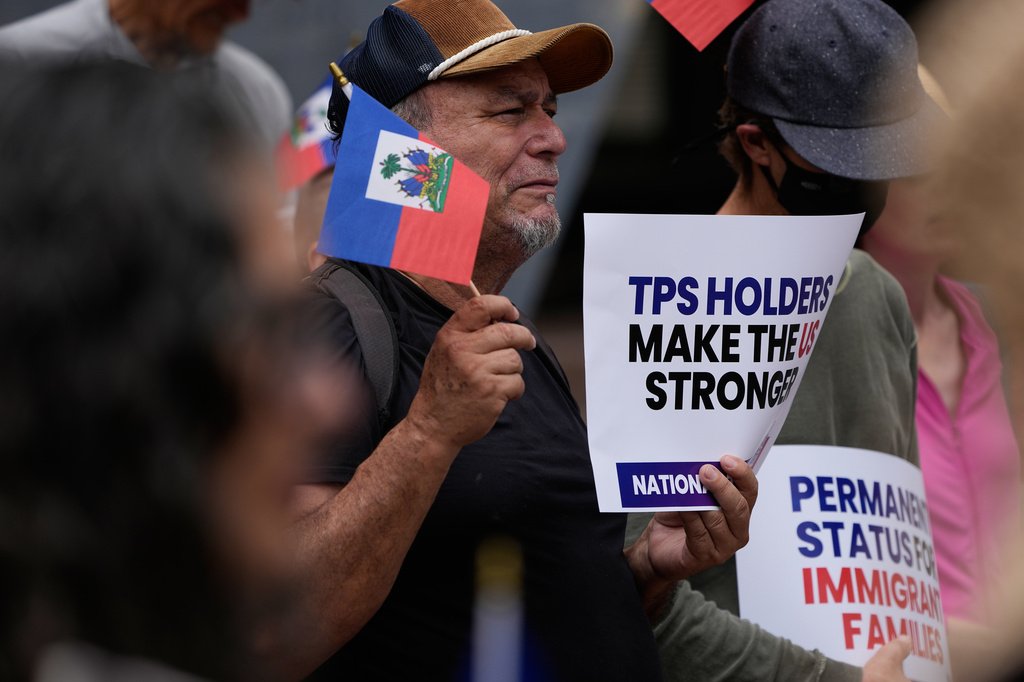
In a landmark decision on June 25, the Supreme Court's conservative majority gave the Trump administration the green light to dismantle the Temporary Protected Status (TPS) program, affecting 1.3 million immigrants from 17 countries. Rep. Jesús “Chuy” García, an Illinois Democrat, condemned the ruling, arguing it will devastate families, communities, and the U.S. economy.
The case, Mullin v. Doe, centered on whether the administration could lawfully terminate TPS designations for countries like El Salvador, Haiti, and Sudan. The six Republican-appointed justices sided with the White House, rejecting claims that racial animus drove the decision—despite President Trump's past comments calling these nations “s—hole countries” and falsely alleging Haitian immigrants were eating pets.
Congress created TPS in 1990 to provide legal status to immigrants from countries facing war, natural disasters, or other dangerous conditions. Beneficiaries undergo rigorous vetting and comply with legal requirements. García emphasized that TPS holders are integral to the U.S. economy, contributing roughly $29 billion annually and paying nearly $8 billion in federal, state, local, and payroll taxes. Contrary to administration claims, they are ineligible for major federally funded benefits like food stamps or housing assistance.
Many TPS recipients work in sectors facing severe labor shortages, including healthcare, where they serve as home health aides and nursing staff for the elderly and disabled. García warned that terminating their status could exacerbate the existing labor gap, driving up costs for senior care at a time when demand already outstrips supply. American businesses reliant on these workers have lobbied Congress and the administration to preserve protections.
The human toll is already visible. García shared the story of Daniel, a constituent from El Salvador with valid TPS and a work permit, who was detained during a workplace raid. Despite no criminal record, he remains in a Georgia detention center, missing his daughter's graduation and family time. The administration's deportation of 146 Venezuelans, now feared dead after the June 24 earthquakes in their home country, underscores the cruelty of sending people back to humanitarian crises.
García noted that U.S. policies have often worsened conditions in TPS-designated nations like Venezuela, El Salvador, Yemen, and Sudan. He argued that the only justification for stripping legal status from vetted, essential workers is the administration's racism and anti-immigrant ideology. The Supreme Court's dismissal of evidence of racial bias, he said, reflects a abdication of judicial responsibility in favor of a partisan agenda.
Congress must act, García urged, citing 40 years of failed immigration reform as the root of the crisis. He called for an end to systemic failures that leave even legal-status holders vulnerable to exploitation and uncertainty. “No more half-measures, and no more blank checks for Department of Homeland Security terror in our communities,” he said.
In the near term, García rallied support for legislation like the SECURE Act and the Dream and Promise Act, which would protect TPS holders and provide a pathway to citizenship. He emphasized the need for labor unions, faith groups, and lawmakers to keep pressuring Congress for comprehensive reform. The proposed National Interest Legalization Program offers a potential framework, but García insisted that any solution must prioritize community stability over partisan politics.
As the administration moves to terminate nearly all TPS designations, the impact will ripple across healthcare, manufacturing, transportation, and retail industries. The 800,000 U.S. citizen children and adults living with TPS holders face an uncertain future. García concluded, “Those who have worked hard and invested in our country belong here. It's time our government realized that.”
The ruling also raises broader questions about executive power and immigration enforcement, especially as the administration pursues aggressive policies like new tariff strategies that could further strain the economy. For now, the fate of 1.3 million people hangs in the balance, with Congress under pressure to intervene before the next wave of deportations.