The Climate Prediction Center confirmed Thursday that El Niño conditions have officially emerged, and this year's event is on track to be one of the most powerful ever recorded. Forecasters now estimate a 63% probability that the phenomenon will strengthen into what is commonly termed a "super" El Niño by winter, when it typically peaks.
If it reaches that threshold, the Climate Prediction Center stated it "would rank among the largest El Niño events in the historical record going back to 1950." Only five such super El Niños have occurred since then, the most recent being the 2015-2016 event.
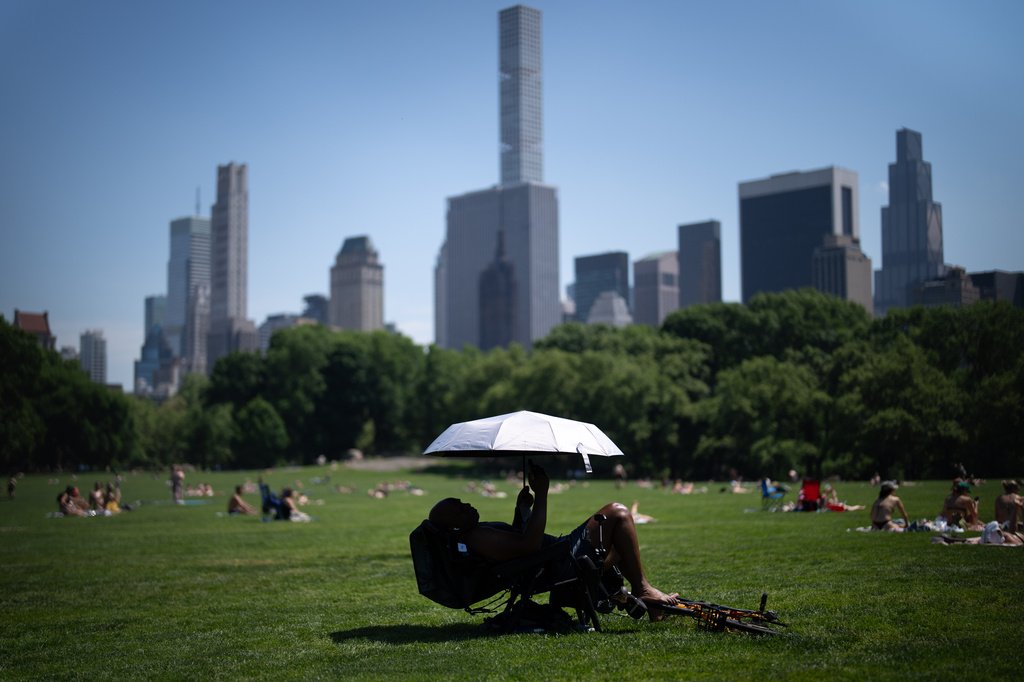
The United Nations issued a warning last week, urging populations to prepare for an exceptionally hot summer amplified by El Niño. The international body cautioned that the climate pattern could intensify heat waves that already began in the spring.
El Niño is characterized by warmer-than-average sea surface temperatures in the central and eastern Pacific Ocean, which can disrupt global weather patterns. In the United States, typical impacts include wetter conditions in the South and drier weather in the North, though the intensity varies with each event.
As the phenomenon develops, policymakers are increasingly focused on its potential to strain infrastructure, agriculture, and public health systems. The 2015-2016 super El Niño contributed to record global temperatures, severe droughts, and flooding in various regions.
Meanwhile, the intersection of climate events with other policy areas remains a concern. For instance, as states grapple with extreme weather, the ongoing redistricting chaos in Southern states could affect how federal disaster relief and climate adaptation funds are allocated. Similarly, the tightening of SNAP purchase rules by nearly a dozen states by 2028 may influence food security during climate-related disruptions.
Forecasters will continue to monitor sea surface temperatures and atmospheric conditions in the coming months to refine predictions. The likelihood of a super El Niño underscores the need for proactive measures at both federal and state levels to mitigate potential economic and humanitarian impacts.
As the political landscape shifts, the collapse of ObamaCare enrollment as subsidies expire could compound vulnerabilities for low-income populations facing extreme weather. Meanwhile, the growing demand for compute power in the AI arms race may also affect energy grids already stressed by climate events.