Newly released enrollment figures from six states indicate that the erosion of ObamaCare coverage is accelerating far beyond initial projections, driven by Congress's failure to extend enhanced premium subsidies. The data, analyzed by researchers at Georgetown University, paints a grim picture for the health law's stability heading into the 2026 midterm elections.
Monthly enrollment reports from Arkansas, Colorado, Maryland, Massachusetts, New Mexico, and New York reveal that a significant share of consumers who signed up for 2026 coverage either canceled their plans or failed to pay their premiums after the first bill arrived. Federal officials have only released data on initial sign-ups during open enrollment—including automatic renewals from 2025—leaving a gap in understanding real retention rates.

Nationally, open enrollment sign-ups fell by 1.2 million people in 2026, a 5 percent drop from the prior year and the largest annual decline since the marketplaces launched in 2014. But Georgetown researchers Stacey Pogue and Sabrina Corlette argue that focusing solely on sign-ups misses the crucial moment when consumers face their first premium payment. "While a drop-off in this period is not unexpected, the magnitude of the decrease compared to last year is stark," they wrote. "This is a small sample of states, but these early indicators may not bode well for national outcomes."
Analysts now project total 2026 marketplace enrollment could fall by roughly 5 million people, with further losses expected in 2027 as provisions from the One Big Beautiful Bill Act and potential Trump administration regulatory changes take effect. The loss of enhanced premium tax credits—which had lowered costs for many middle-income enrollees—is the primary driver of the exodus.
State-level data underscores the severity. Between January and April, Maryland saw a 13 percent enrollment drop, compared with just 3 percent during the same period in 2025. Arkansas reported a 16 percent decline, double the prior year's rate. Massachusetts experienced a 14 percent decrease, up from 6.7 percent, and New Mexico saw an 8 percent drop, compared with a negligible 0.5 percent in 2025. Overall, plan cancellations across these states rose 24 percent compared to March 2025.
The demographics of those dropping coverage are telling. In states that reported income data, the cancellations were most concentrated among middle-income consumers who lost financial assistance when the enhanced subsidies expired. By contrast, the lowest-income enrollees—many of whom are shielded by state-funded subsidies—were the only group less likely to drop coverage compared to last year.
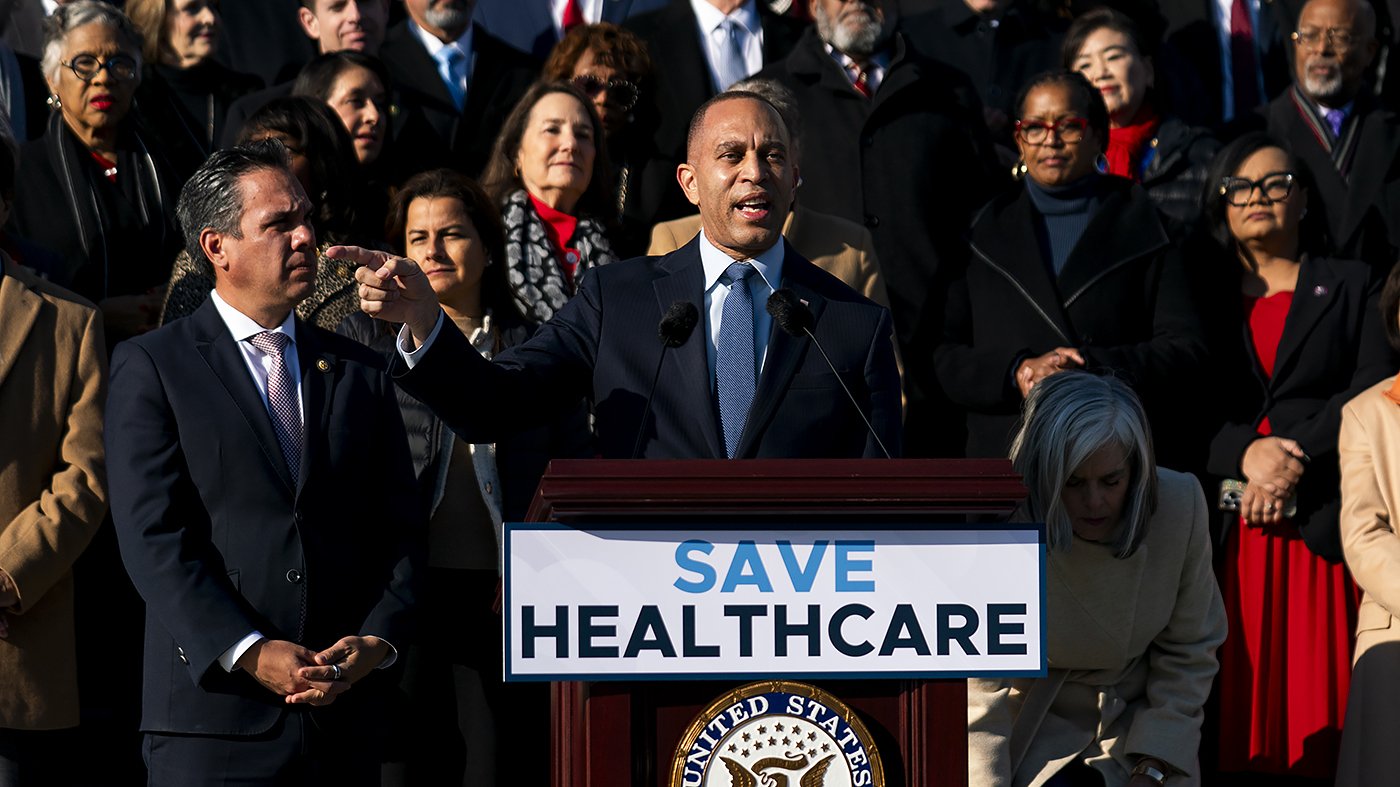
Health care costs are poised to become a central issue in November's midterm elections. The coverage losses are likely to fuel Democratic attacks on Republican-led efforts to let the subsidies lapse, while also giving GOP candidates a chance to highlight the law's fragility. Meanwhile, a recent report alleging millions of improper ObamaCare enrollments has added fuel to the fraud debate, further complicating the political landscape.
With redistricting battles already reshaping congressional races in several states—as seen in the chaos unfolding in Southern states—the health care fallout could tip the balance in key swing districts. The data from these six states may be an early warning signal for a broader collapse that will reverberate through the 2026 campaign trail.