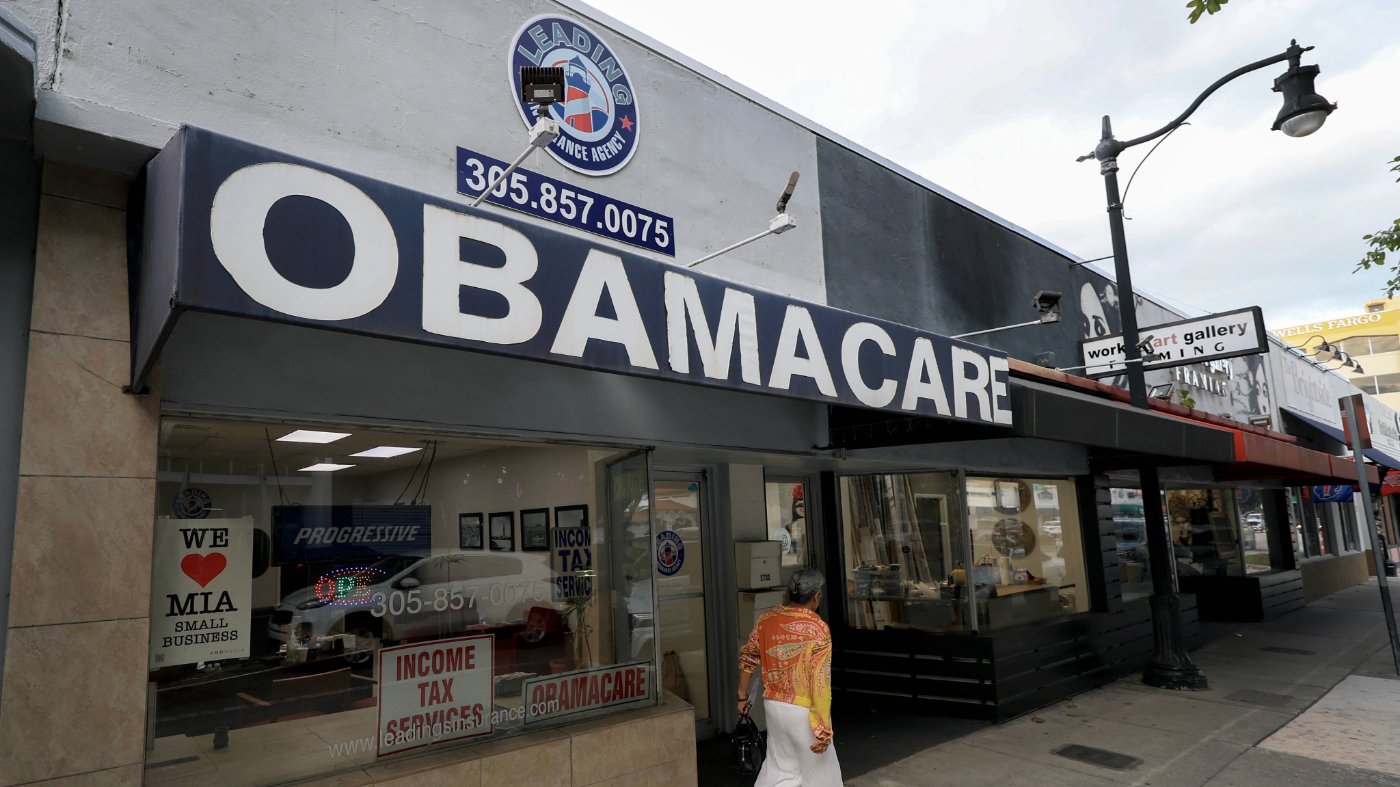
The Paragon Health Institute, a conservative think tank led by former Trump aide Brian Blase, released a report alleging that more than 6 million people were improperly enrolled in ObamaCare exchanges in 2026, representing roughly one-quarter of all enrollments. The group argues that taxpayers will improperly subsidize the Affordable Care Act by nearly $25 billion as a result, intensifying a political battle over health care fraud ahead of November's midterm elections.
The report defines improper enrollment as the number of individuals signed up in the lowest income category—who receive the highest subsidies—exceeding the number of potentially eligible people in that bracket across states. Using publicly available enrollment and Census Bureau data, Paragon contends that the federal platform, healthcare.gov, has weaker verification systems than state-run exchanges, leading to higher rates of improper sign-ups.
Paragon has played a significant role in shaping GOP health policy, helping design Medicaid cuts in last year's tax and spending reconciliation bill and advising lawmakers to let enhanced ObamaCare tax credits expire this fall. As Republicans seek a health care affordability message for the midterms, the report provides fresh ammunition to counter Democratic attacks that subsidy expirations will drive up costs and increase the uninsured rate.
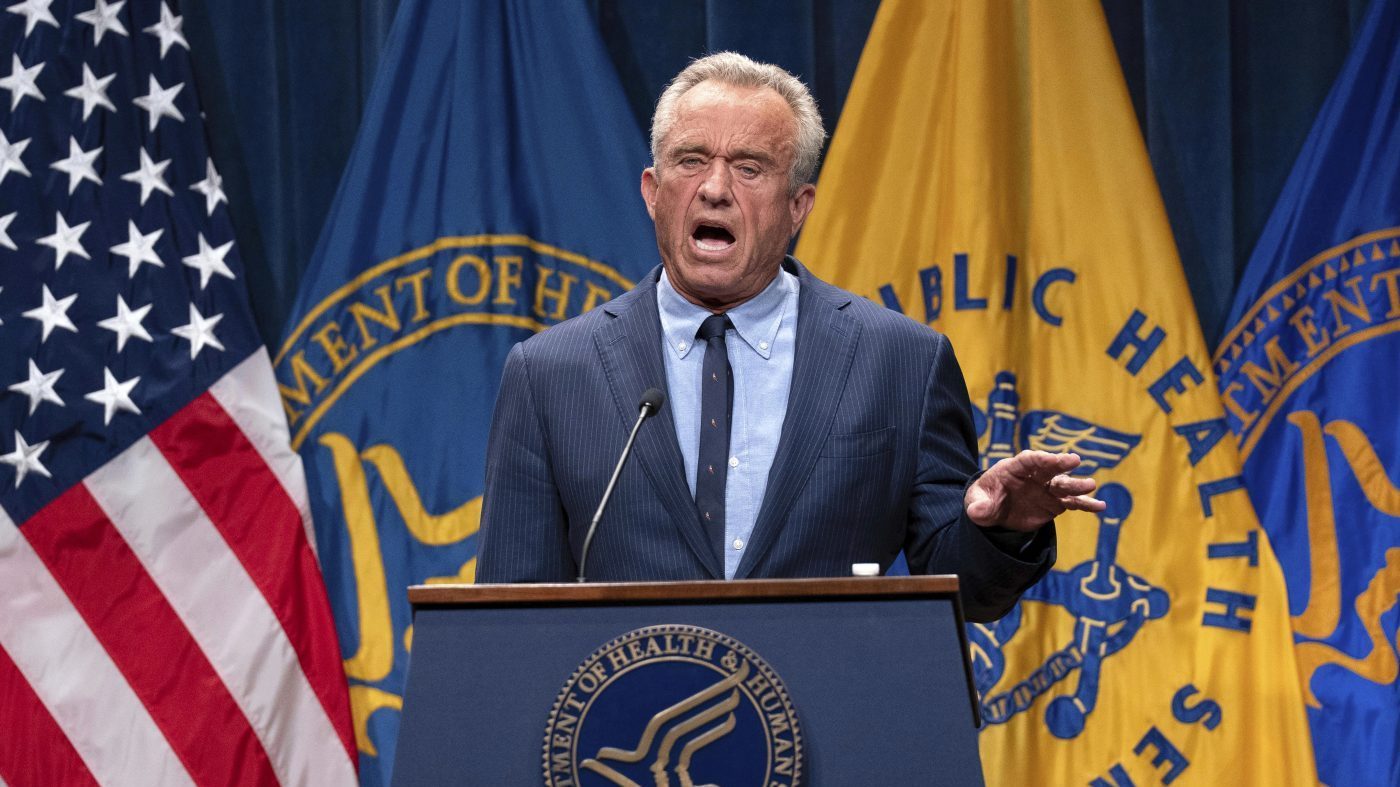
Administration officials and congressional Republicans argue that estimates of coverage losses are overblown, framing any reductions as necessary cuts to waste and fraud. CMS Administrator Mehmet Oz said Tuesday that roughly 35% of exchange users may not be legitimate, citing a lack of filed claims. “If you care about the ACA, then you’ll want us to take the fraud out,” Oz stated during a White House briefing.
The report highlights that improper enrollments are especially problematic in non-Medicaid expansion states and those using the federal platform. For instance, it claims more than half of Florida enrollees are improperly enrolled. Paragon praises the Trump administration’s program integrity actions and provisions in the One Big Beautiful Bill but urges Congress to go further, including stronger oversight of third-party enrollment entities and eliminating zero-premium plans.
Jessica Altman, executive director of California’s Covered California, pushed back, saying broad rule changes that make enrollment harder do not strengthen marketplace integrity but create barriers for eligible consumers. The report counters that excessive subsidies and zero-premium plans incentivize misstating income to maximize subsidies and commissions.
ObamaCare enrollment surged during the Biden administration but fell by over 1 million under Trump, with further declines expected this year. The fraud debate is likely to intensify as GOP leaders, including Vice President Vance, lead anti-fraud roundtables with state attorneys general targeting Democratic-run states. Meanwhile, the Paragon report underscores a broader conservative push to reframe health care policy around fraud prevention and fiscal accountability.