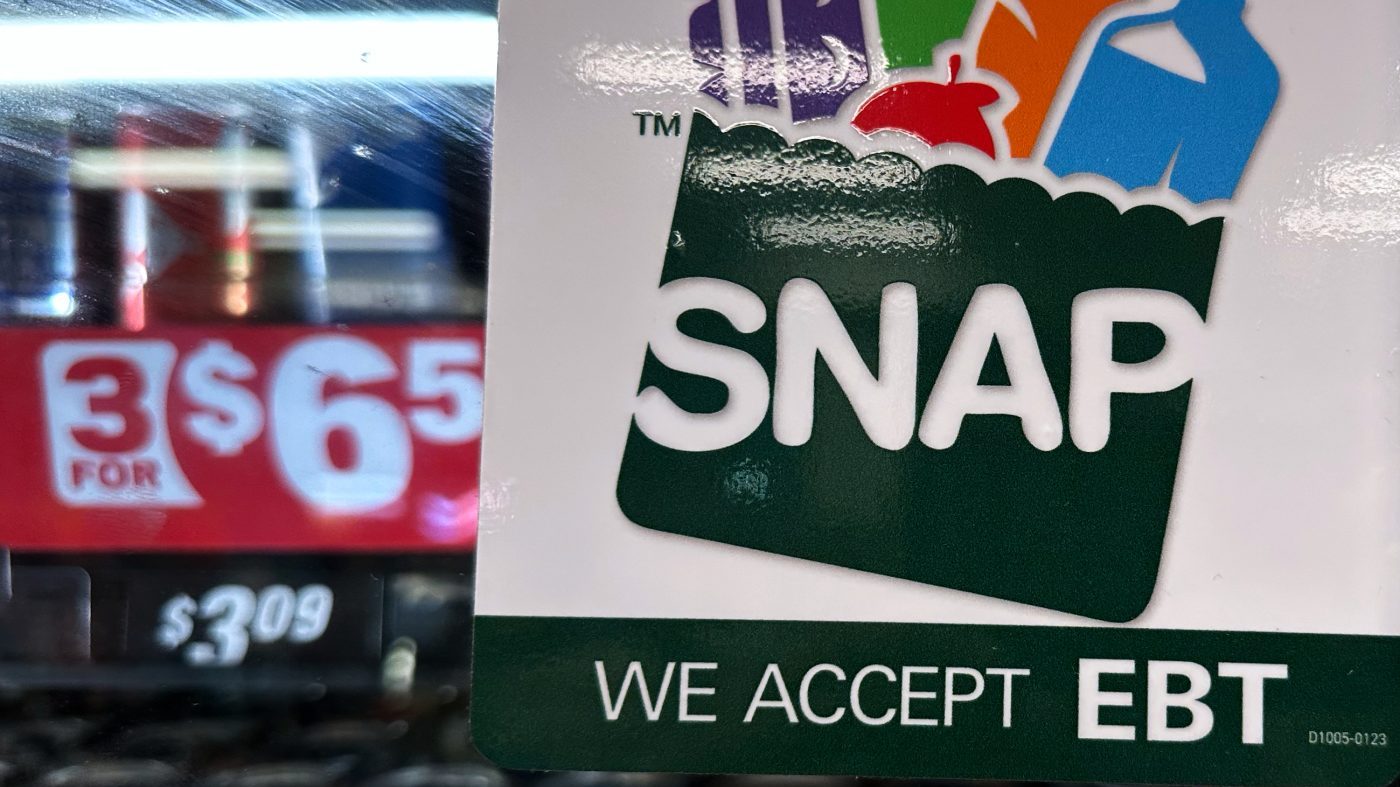
Nearly a dozen states are poised to impose new limits on what recipients of the Supplemental Nutrition Assistance Program can buy with their benefits, expanding a trend that has gained momentum under the Trump administration's push for what it calls “real food.”
Starting in 2026, eight states—Arkansas, Colorado, Missouri, Montana, Ohio, North Dakota, South Carolina, and Virginia—will enforce bans on using SNAP dollars to purchase soda, energy drinks, and candy. Colorado initially aimed for an earlier rollout but pushed its target date to October, according to the U.S. Department of Agriculture. Kansas, Nevada, and Wyoming are scheduled to follow suit within the next two years.
By 2028, nearly half of all states will have rules on the books prohibiting SNAP recipients from buying sugary beverages or certain sweets. The changes reflect a growing bipartisan effort to steer the program’s $90 billion annual spending toward more nutritious options.
SNAP, which helps roughly one in eight Americans afford groceries, has long barred purchases of alcohol, tobacco, and hot foods. The new restrictions add a layer of scrutiny on items critics say contribute to diet-related diseases. The Trump administration has framed the policy as a move to ensure taxpayer dollars support healthier choices.
The USDA, which administers SNAP, is also tightening requirements on retailers. Starting this fall, stores authorized to accept SNAP must stock at least seven types of items across four food categories: protein, grains, dairy, and produce. “SNAP authorized retailers accept over $90 billion a year, or $236 million a day, in taxpayer dollars—USDA is making sure they’re actually in the business of selling food,” Agriculture Secretary Brooke Rollins said in a statement. The agency has promised more detailed guidance on implementation.
The push for healthier SNAP purchases has drawn support from public health advocates but also criticism from some lawmakers and industry groups who argue it limits consumer choice and could burden low-income families. As states move forward, the debate over what counts as “real food” is likely to intensify.
For context, the expansion of SNAP restrictions comes amid broader policy shifts, including personnel changes in the Trump administration and ongoing debates over AI in defense. Meanwhile, Ohio State University recently settled a major abuse case for $100 million, underscoring the state's high-profile legal landscape.