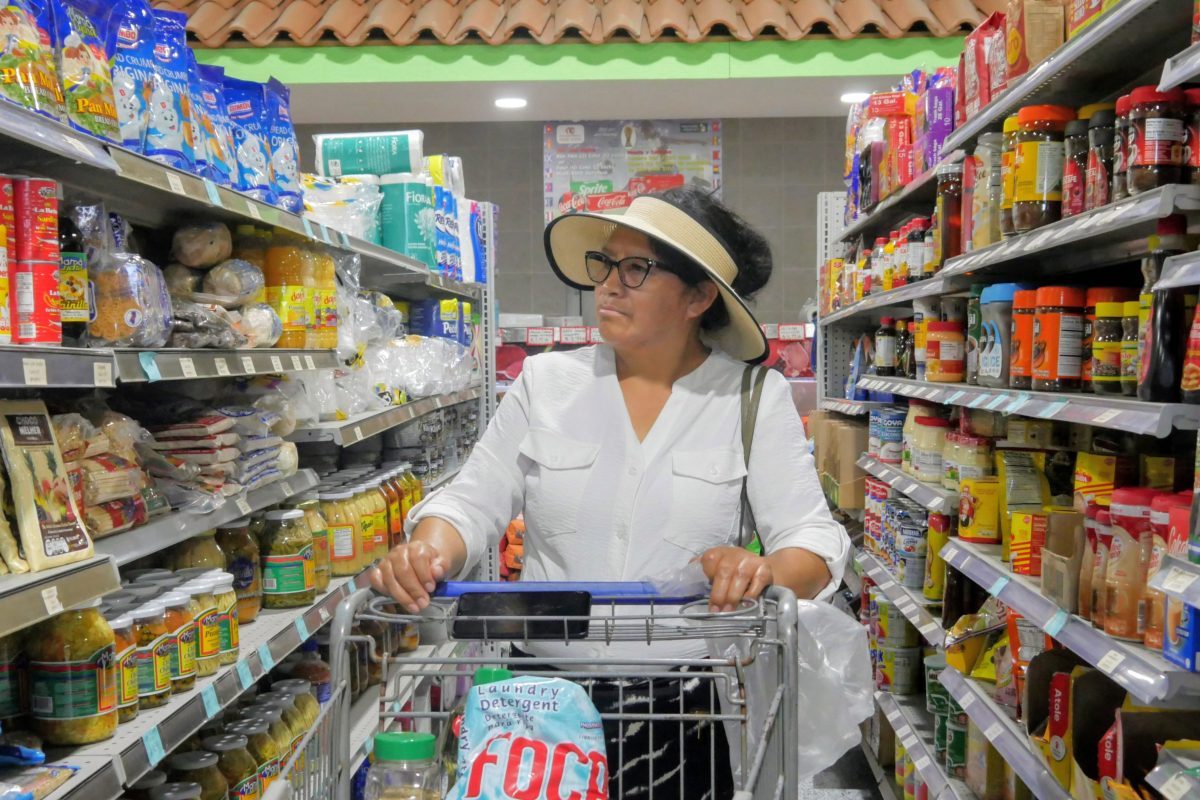
Inflation may have cooled from its post-pandemic highs, but for many American households, the sting at the grocery store hasn't faded. A new analysis from the personal finance website WalletHub highlights 15 U.S. cities where residents are spending the largest share of their income on food, a trend that disproportionately affects lower-income families.
According to the U.S. Department of Agriculture, Americans on average spent 12.9% of their pre-tax income on food—both at home and at restaurants—in 2024. But for the lowest-earning fifth of households, that figure jumps to a staggering 33%, leaving little room for other essentials.
The WalletHub study, which compared grocery costs across the nation's largest metro areas, found that residents in cities like Miami, New Orleans, and Birmingham face the heaviest burden. In these areas, grocery bills consume a significantly larger chunk of paychecks, exacerbating financial strain for families already struggling to make ends meet.
Why Grocery Costs Vary by City
Several factors contribute to the disparity, including local taxes, supply chain inefficiencies, and the cost of doing business in certain regions. Cities with higher poverty rates and lower median incomes often see residents spending a larger percentage of their earnings on necessities like food, even if the absolute prices are similar to wealthier areas.
The study's findings come as Democrats have widened their trust advantage over Republicans on health costs, a related pocketbook issue that could shape the 2024 election. Voters are increasingly focused on the cost of living, and food prices remain a potent political issue.
Policy Implications and Political Fallout
The data also underscores the broader economic anxiety that persists despite cooling inflation. While the national inflation rate has dropped from its peak of over 9% in 2022, grocery prices have remained stubbornly high, and in some cities, they continue to rise. This disconnect between macroeconomic indicators and household reality is a key talking point for both parties as they court voters.
In a separate development, the White House has pushed back against critics of President Trump's remarks on Iran, but the administration's handling of the economy, including food costs, is likely to be a central theme in the upcoming debates. Meanwhile, a recent analysis suggests that Trump's energy policies could cost households thousands of dollars by 2040, adding another layer to the economic debate.
For now, the WalletHub study serves as a reminder that the recovery from the pandemic-era inflation is uneven, with the most vulnerable Americans still feeling the pinch. As policymakers debate solutions, the data offers a clear picture of which communities are most in need of relief.
The 15 cities where residents spend the most on groceries are:
- Miami, FL
- New Orleans, LA
- Birmingham, AL
- Memphis, TN
- San Antonio, TX
- Riverside, CA
- Oklahoma City, OK
- Houston, TX
- Las Vegas, NV
- Jacksonville, FL
- Phoenix, AZ
- Dallas, TX
- Atlanta, GA
- Orlando, FL
- St. Louis, MO
The study's methodology weighed average grocery prices against median household income, highlighting the cities where the cost of a basic necessity like food is most out of proportion with local earnings.
As the political season heats up, expect food costs to remain a hot-button issue. In a related note, Latino voters have swung back to Democrats by 24 points, a demographic shift that could influence how both parties address economic concerns in key battleground states.