A fresh survey from KFF underscores that health care affordability has become a defining issue for the midterms, with Democrats now enjoying a 20-point trust edge over Republicans on the matter. The poll, conducted in mid-September, found that six in ten voters are anxious about covering their medical expenses, including insurance premiums and out-of-pocket costs for doctor visits and prescriptions.
Half of those surveyed said it is “extremely important” that candidates address health care costs on the campaign trail. That concern places health care on par with gasoline prices as the most pressing affordability issue, a trend that has persisted throughout the year. A quarter of respondents said they are “very worried” about managing both health care and transportation costs, while another third described themselves as “somewhat worried.”

KFF President and CEO Drew Altman highlighted the unpredictable nature of medical bills as a key driver of voter anxiety. “Of all the cost-of-living worries hitting voters now, a big health care bill is the least predictable, and that’s a big reason why health care costs are right up there with gas prices and the costs of food and housing on voters’ minds,” he said.
The Democratic advantage has grown steadily since April, when they led Republicans by 11 points (37% to 26%). By September, that gap had widened to 42% versus 22%. Among independents, Democrats hold at least a two-to-one trust advantage, though many independents expressed distrust toward both parties on most midterm issues.
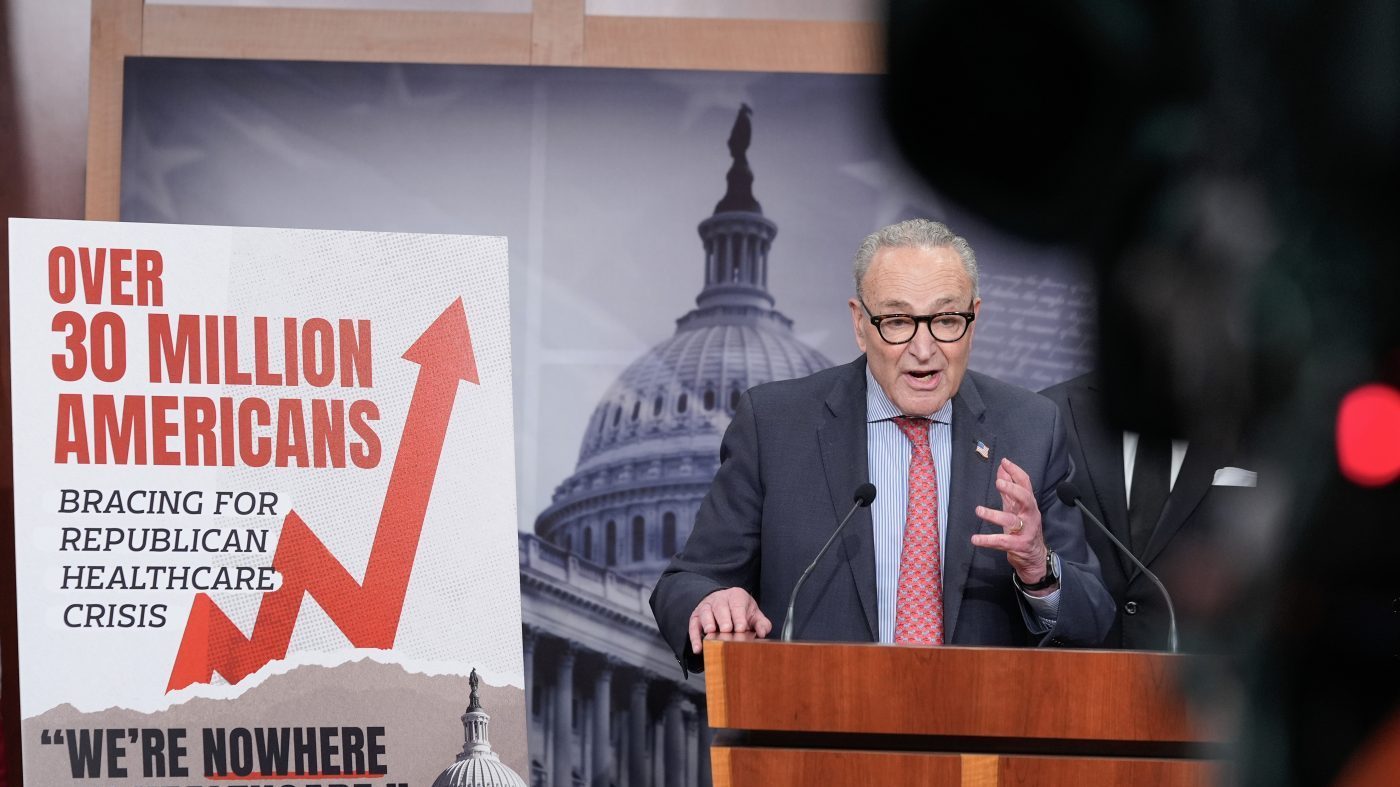
The poll’s findings come as Democrats intensify attacks on Republicans over their signature legislation, the One Big Beautiful Bill, which cut Medicaid and other entitlement spending to fund tax cuts. In battleground states, Democratic candidates are hammering their opponents for those cuts and for allowing enhanced Affordable Care Act subsidies to lapse, which has driven up premium costs. Shannon Schumacher, a senior survey analyst at KFF and lead author of the poll, said the results reflect an “affordability election,” with Democrats campaigning on that theme while Republicans focus on “fraud, waste, and abuse.”
Historically, Republicans have held an edge on economic issues, while Democrats have been trusted more on health care. Schumacher noted that health costs serve as a bridge issue, making the Democratic advantage particularly notable. “Republican voters want to hear more about fraud in government programs…it’s an issue that fits well with the base,” she said. “But when we look at voters as a larger group to include Democrats and Independents as well, we see that cost of living and healthcare costs…are weighing very heavily on voters this year, and frustration with the system at large is really widespread.”
Across party lines, voters expressed a desire for candidates to present concrete plans for lowering health care costs. A 40-year-old Republican from Arkansas said they wanted to hear about “lowering [health care costs] for people who can’t afford to pay expensive costs for health care.”
The survey also found broad bipartisan support for major health system changes, though opinions diverge on approach. Progressive Democrats have campaigned on Medicare for All, which enjoys 66% support overall—the highest since 2016. That support drops when respondents hear criticisms about potential tax increases, longer wait times, or risks to the current Medicare program, but rises when proponents argue it would guarantee insurance as a right and eliminate premiums and out-of-pocket costs.
KFF conducted the poll from September 16–21 among 1,328 U.S. adults, with a margin of error of plus or minus 3 percentage points. The findings arrive as Democrats seek to capitalize on health care messaging, a strategy that may be bolstered by recent polling showing competitive Senate races and shifting Latino voter support. Meanwhile, some analysts suggest the party’s midterm edge is built on anger rather than a unified agenda, a dynamic that could shape the final weeks before Election Day.