With less than a month until the midterms, Democrats are riding their biggest wave of the cycle. The NBC News polling average shows a 9-point lead on the generic ballot, matching Nate Silver's tracker and RealClearPolitics' aggregate. Prediction markets agree: Kalshi gives Democrats a 62% chance of sweeping both chambers.
Underlying these numbers is a striking enthusiasm gap. A New York Times analysis of Senate battleground primaries found that Democrats turned out in higher numbers than Republicans in 17 of 22 contested races, while Republicans saw lower turnout in two-thirds of those contests. In Michigan, nearly 600,000 more Democrats voted than Republicans; in Texas, Democrats outvoted the GOP by 150,000, a swing of over a million votes from 2022.
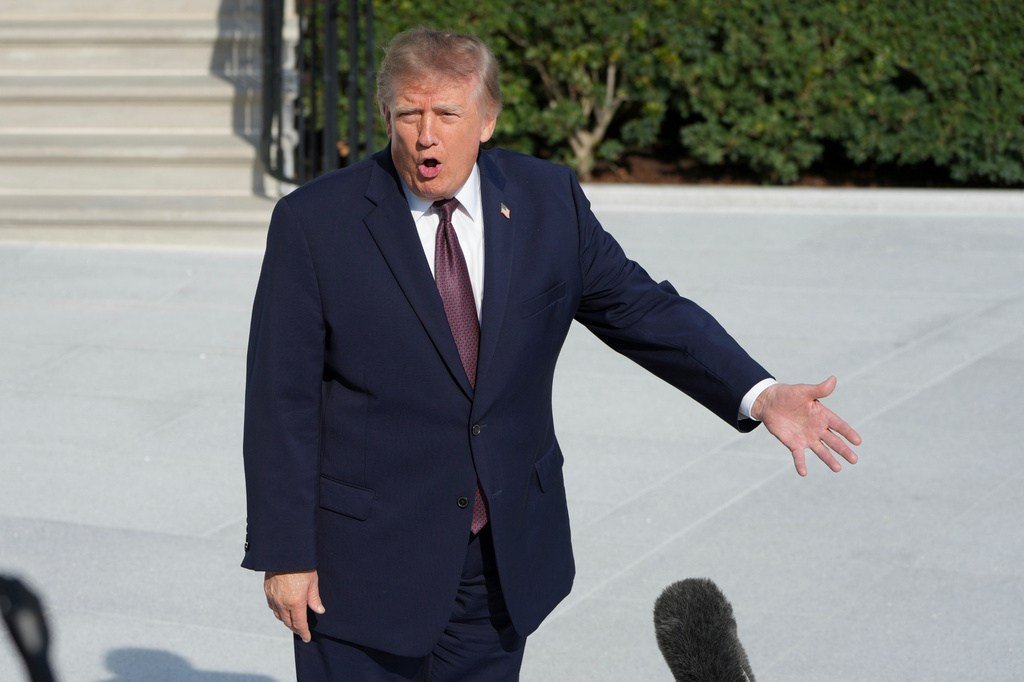
These leads are not accidental. Voters are genuinely hurting. Inflation continues to eat into paychecks—consumer prices rose 3.4% year-over-year in August, outpacing wage gains. Gasoline averages above $4.40 a gallon, up over 30% from last year, and diesel prices are at historic highs, driving up the cost of food and goods. Mortgage rates keep climbing, putting homeownership further out of reach for millions. The University of Michigan's consumer sentiment index hit its second-lowest reading since 1952 in September, and President Trump's approval rating sits at 39% overall, just 29% among independents, according to Emerson polling.
Democrats are right to campaign on these issues, and their lead is earned. But the question looms: If they win, what will they actually do with power? Their advantage is built on protest votes, not a governing vision. NBC found that 46% of independents say their midterm vote will be "a signal of opposition to the president." The same survey showed the Democratic Party's favorability at net negative 21 points—worse than Republicans' net negative 13. As the pollster put it, Democrats "remain in a terrible position as a brand nationally."
That's the paradox: Democrats are on the cusp of controlling Congress, yet voters like Republicans more. The party's internal struggles are showing. In Kansas, Senate nominee Adam Hamilton has said he doesn't want Kamala Harris campaigning with him because she "is not somebody who would win votes here." Similar concerns echo in other red and purple states, highlighting the party's weakness in areas it needs for the presidency.
Democrats' edge rests heavily on factors outside their control—Trump, inflation, affordability—but they have not articulated a coherent agenda to address these issues. They lack a "Contract with America" or a "Six for '06" style platform. Midterms often don't require one: Democrats gained 41 House seats in 2018 by defending the Affordable Care Act, and Republicans gained 63 in 2010 by channeling anger at Barack Obama.
But 2026 is different. There is no clear standard-bearer or unified direction amid the party's ideological split. Even winning both chambers won't let Democrats enact much of what they're campaigning on. They can subpoena and stall Trump's priorities, but he has shown he'll bypass Congress, and Democrats will be blamed for legislative dysfunction. Voters who cast ballots over costs will judge the new majority against those issues—which Democrats will be largely powerless to fix.
If all Democrats have to show by mid-2027 are impeachment hearings, any goodwill will evaporate before the 2028 cycle. A majority assembled on someone else's unpopularity produces no mandate. Victory would merely postpone the progressive-moderate clash, not resolve it.
Democrats are likely to win in November—frustration with Trump should hand them the Speaker's gavel. But unless they can tell voters why they're the right party to lead, not just that the GOP can't be trusted, that victory won't translate into the White House in 2028. The party needs to start building a positive case now, or risk squandering the opportunity.