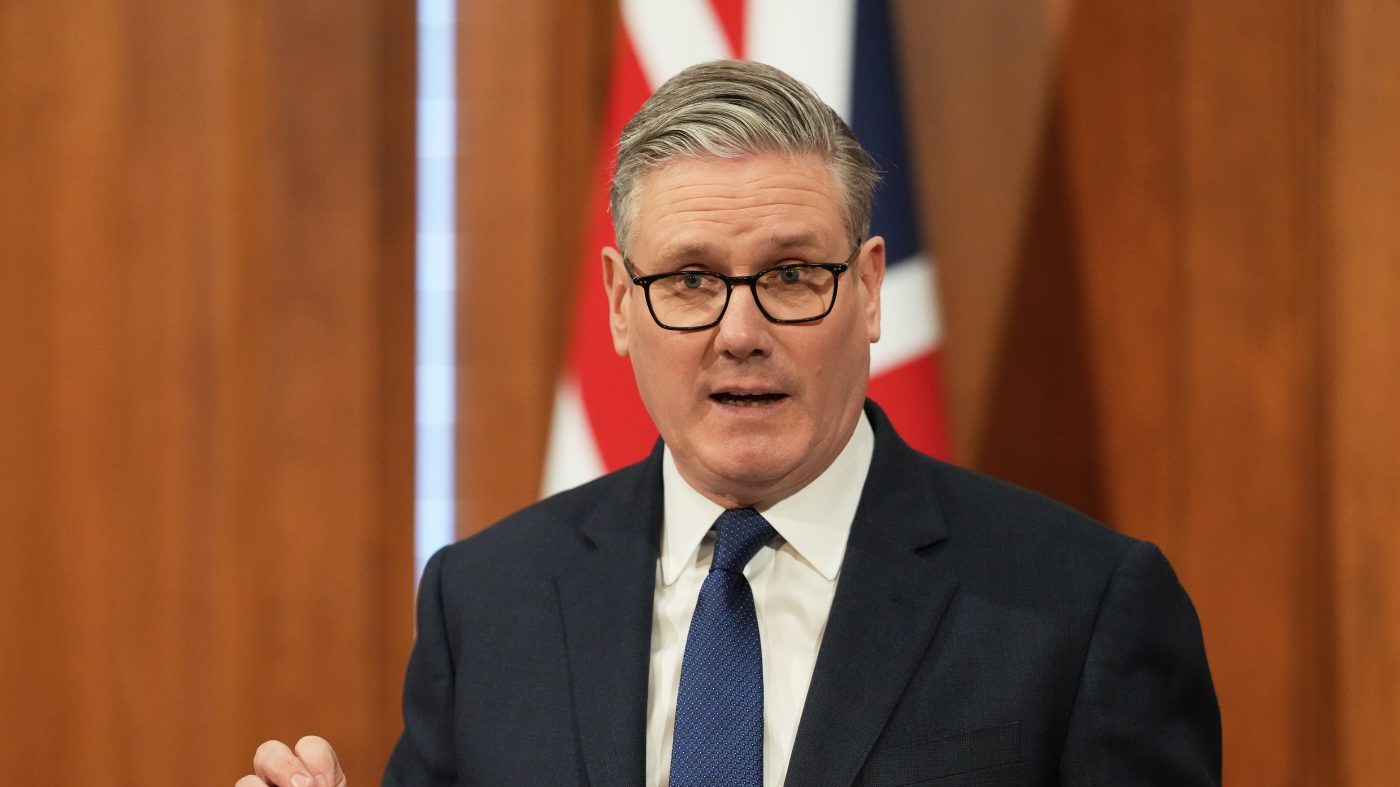
British Prime Minister Keir Starmer announced Monday that he will resign as leader of the Labour Party once a successor is chosen in the coming weeks, marking a dramatic turn for a government that swept into power just over a year ago.
Speaking from the doorstep of 10 Downing Street, Starmer said he has directed the party's national executive committee to accept nominations from July 9 until Parliament's summer recess on July 16. “In the case of a contest, this will ensure a new leader is in place before Parliament returns in September,” he added.
Starmer, who informed King Charles III of his decision, will remain prime minister until the contest concludes. “I will do everything I can to ensure an orderly handover of power,” he said.
The resignation comes after a bruising period for Starmer, who took office in July 2024, ending 14 years of Conservative rule. But public sentiment quickly soured. A recent Ipsos survey found two-thirds of respondents believe Starmer should not lead Labour into the next general election. His appointment of Peter Mandelson as U.S. ambassador unraveled after revelations about Mandelson’s ties to convicted sex offender Jeffrey Epstein, leading to Mandelson’s dismissal and subsequent charges of misconduct in public office.
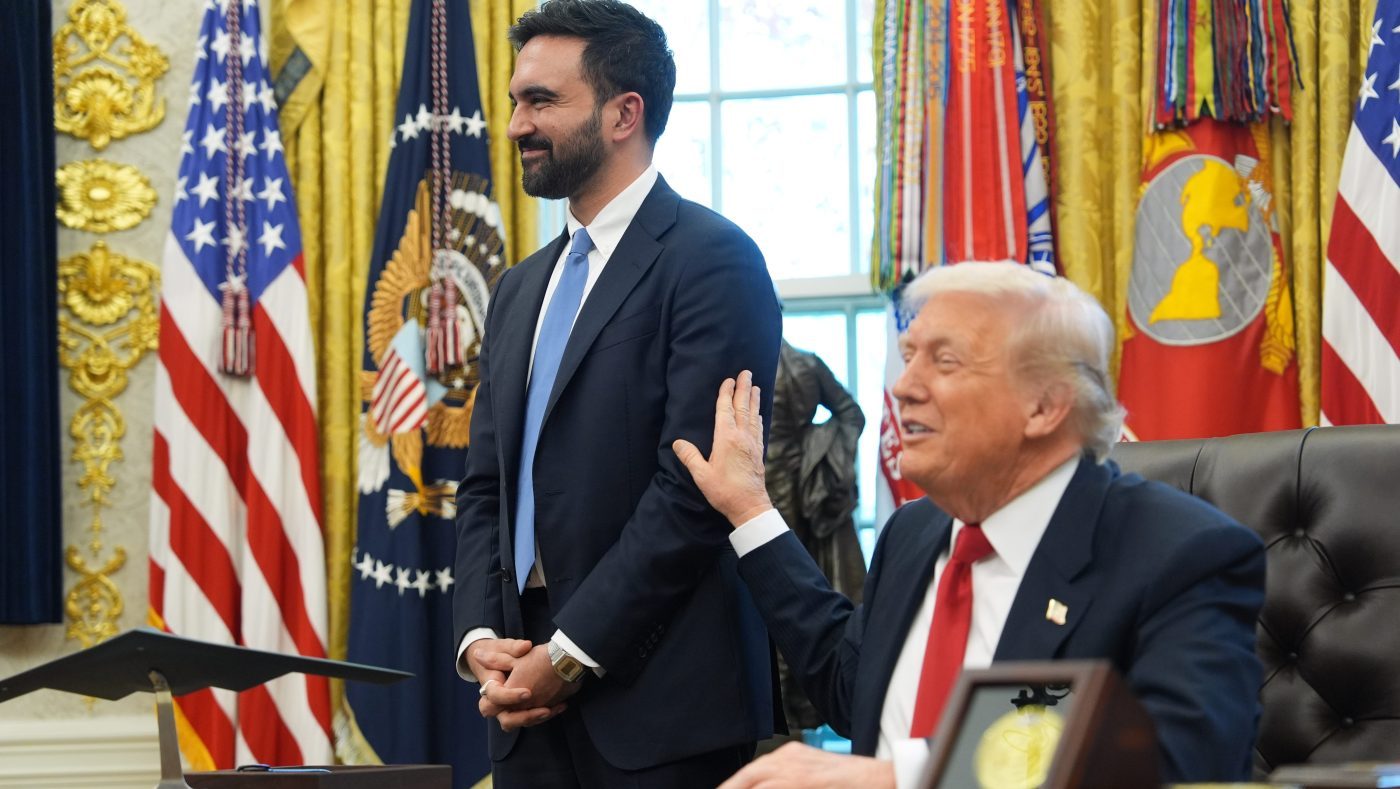
President Donald Trump, who has repeatedly criticized Starmer, predicted the resignation on Sunday. Writing on Truth Social, Trump said Starmer “failed badly on two very important subjects—IMMIGRATION AND ENERGY.” The former president’s comments echoed his broader critique of Starmer’s policies, which have been a flashpoint in transatlantic relations.
Starmer’s announcement also came days after Andy Burnham, the Labour mayor of Greater Manchester, won a special election for a parliamentary seat. Burnham declared Monday he will enter the leadership race. “The country expects stability, seriousness and a continued focus on the issues that matter most and that is what it will get,” he wrote on X.
Starmer’s successor will become the sixth British prime minister since David Cameron resigned after the 2016 Brexit referendum. The next general election must occur by August 2029, but the new leader could call one sooner.
In his farewell remarks, Starmer touted his achievements: economic and wage growth, improvements to the National Health Service, increased defense spending, and steadfast support for Ukraine. “I know the question being asked now is not who was best placed to change the Labour Party,” he said. “The question my party is asking now is whether I am best placed to lead us into the next general election. I have heard the answer of my parliamentary party to that question, and I accept that answer with good grace.”
An emotional Starmer praised his wife, Victoria Alexander, vowing to “spend more time being the best husband” and father to their two children. After his speech, the couple embraced and returned inside No. 10.
For more on the tensions that preceded this moment, read our earlier analysis: Starmer's Sinking Approval Sparks Labour Leadership Turmoil. Meanwhile, Trump’s role in the drama is detailed in Trump Predicts Starmer's Imminent Resignation as UK PM Amid Immigration and Energy Battles.