The Senate is set to hold a pivotal procedural vote on the Clarity Act this week, testing whether nearly a year of bipartisan negotiations can produce enough support to advance the long-stalled cryptocurrency regulation bill.
Senate Republicans unveiled updated bill text late Sunday, incorporating a White House-approved ethics provision and adjustments to several contentious sections. The move is designed to attract Democratic votes while addressing concerns from banks and law enforcement, but it remains unclear whether the changes will be enough to clear the 60-vote threshold on Tuesday.

“These changes might not be enough to gain sufficient Democratic support, but they open the door to attracting at least a few Democratic ‘yes’ votes,” Brian Gardner, chief Washington strategist at Stifel, wrote in a note Monday.
Ethics language at the center
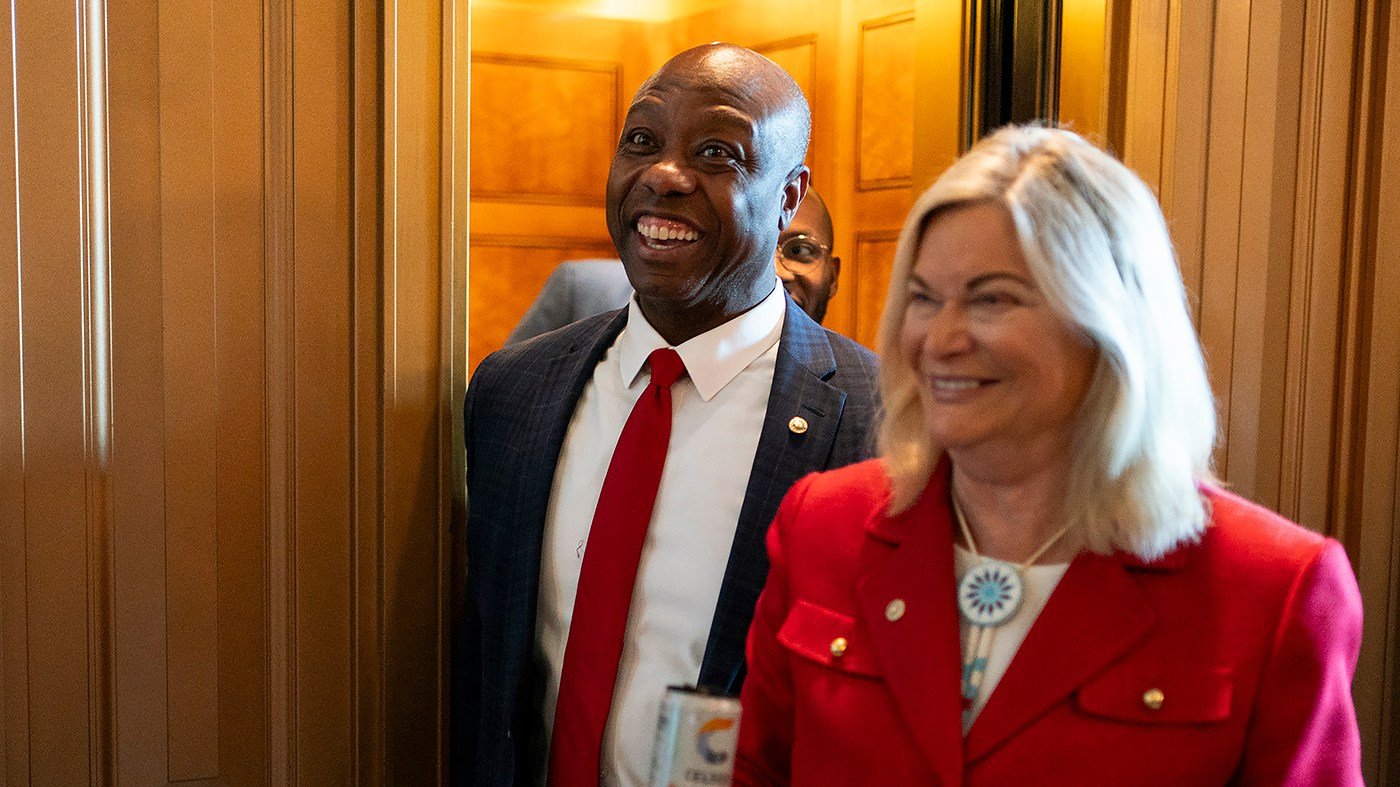
The revised measure, introduced by Sen. Cynthia Lummis (R-Wyo.), Senate Banking Chair Tim Scott (R-S.C.), and Senate Agriculture Chair John Boozman (R-Ark.), includes new ethics provisions that Democrats have long demanded. The language bars public officials and their spouses from issuing or sponsoring digital assets, but it allows enforcement by state attorneys general rather than relying solely on the Department of Justice.
Democrats had pushed for state-level enforcement, expressing skepticism that the DOJ would vigorously police ethics violations under the Trump administration. The new text permits state attorneys general to bring cases against the DOJ or crypto companies, and it removes a sunset clause that would have ended the provision at the end of Trump’s presidency.
“Democrats got what they wanted; now they need to take yes for an answer,” Lummis said in a statement Sunday.
However, the bill does not require full divestment of crypto assets by public officials, allowing them to place holdings in a blind trust instead. Staff for Sen. Elizabeth Warren (D-Mass.), a leading crypto critic, called the provision “empty,” noting that state attorneys general cannot sue the president or other federal officials directly, and that the Office of Government Ethics can block enforcement actions.
Stablecoin rewards and developer protections
The updated text also addresses two other sticking points: stablecoin rewards and developer liability. A new “regulatory circuit-breaker” would let the Treasury secretary intervene if stablecoin rewards cause “substantial detrimental impact” to community bank deposits. But banking trade groups argue this is insufficient, saying a circuit breaker that triggers only after deposit flight has occurred is “not a safeguard at all.”
On developer protections, the bill now exempts software developers from anti-money laundering obligations but removes protections under a criminal money transmitting statute. Jason Somensatto, policy director at Coin Center, called this a “tough pill to swallow” in a blog post Monday.
The Senate’s return to a crowded agenda includes the crypto bill alongside budget and farm bill negotiations, as reported in this week’s Senate priorities. Lummis has warned that failure to pass the bill could drive the industry overseas, a theme she has pressed in recent statements. The path to passage remains uncertain, with Republicans needing at least a handful of Democratic votes to overcome a filibuster.