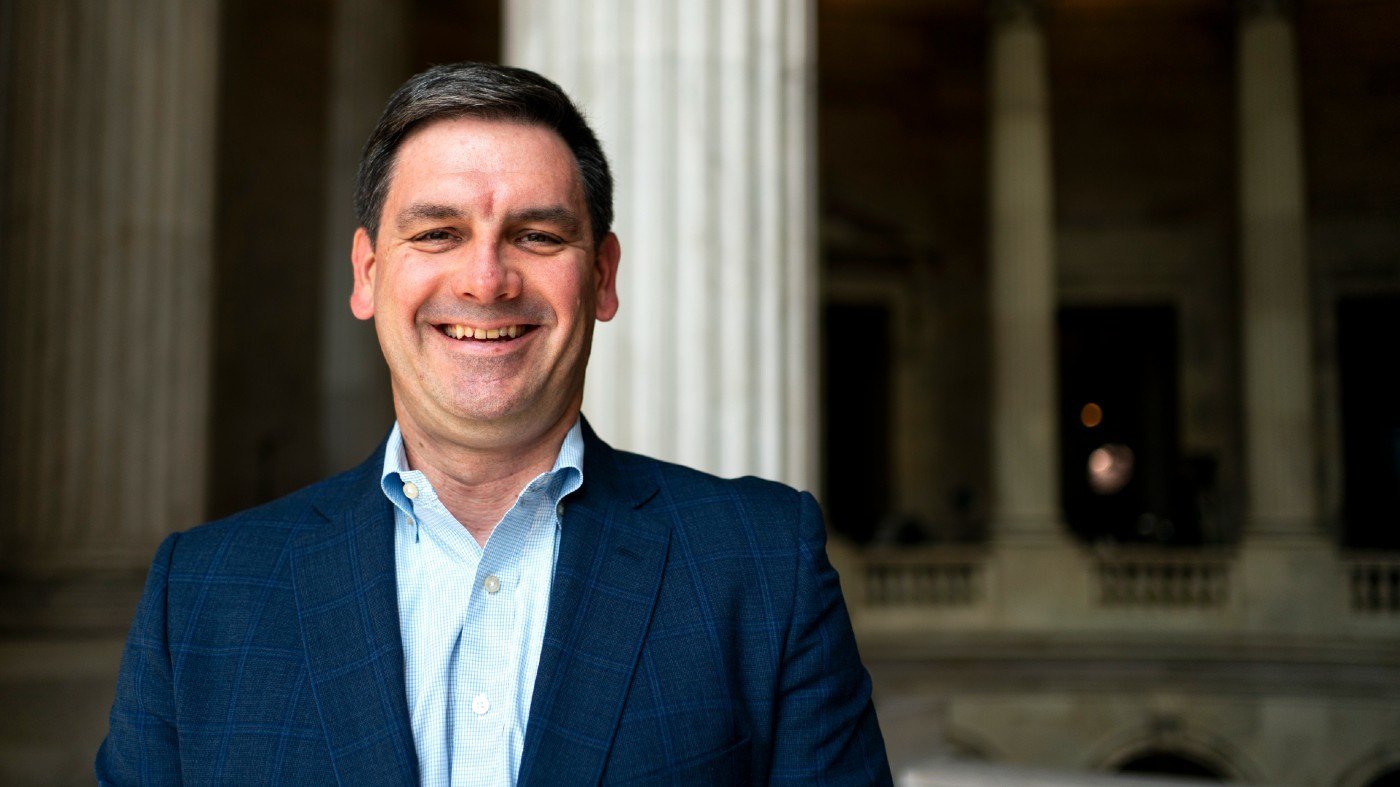
David Popp has long been a linchpin in Senator Mitch McConnell's operation, serving eight years as communications director for the Senate Republican leader's office. In that role, he orchestrated the weekly message and overall communications blueprint for both McConnell and the broader Senate GOP conference. Now elevated to senior adviser, Popp remains central to shaping how the Kentucky Republican communicates on his top priorities.
Popp's current portfolio centers on the Senate Appropriations Subcommittee on Defense, which McConnell chairs, as well as the Senate Rules Committee, also under McConnell's gavel. Colleagues describe Popp as meticulously organized and unflappable—traits that prove invaluable when navigating the senator and his team through political storms.
A native of Ohio and a graduate of Ohio University, Popp opted to remain with McConnell's team after the senator stepped down from leadership following the 2024 elections. That decision has allowed McConnell to maintain an outsized voice in the national security debate while winding down a storied Senate career. When McConnell announced his retirement from leadership, he signaled a laser focus on bolstering the nation's defense infrastructure and preserving America's global leadership—a vision Popp has worked diligently to advance.
Under Popp's strategic guidance, McConnell has picked his moments carefully in public discourse. He has warned against the perils of U.S. isolationism and rejected proposals for a $1.8 billion compensation fund that could benefit individuals involved in the January 6, 2021, Capitol attack. These interventions have kept McConnell relevant in key policy fights even without the formal authority of leadership.
Perhaps McConnell's most consequential impact, with Popp's assistance, has come in the realm of defense spending during President Trump's second term. During the fiscal 2026 appropriations process, McConnell fought vigorously to secure billions in additional defense dollars, including continued assistance and funding for Ukraine. That effort aligns with McConnell's return to the Senate after a health scare, underscoring his determination to shape defense policy.
Popp's experience extends beyond the Senate. He previously served as communications director for the House Financial Services Committee and the House Republican Conference. In total, he brings two decades of expertise in legislative communications and federal policymaking strategy—a background that has proven indispensable in navigating the complex interplay between Congress and the executive branch, much like other top communications aides on Capitol Hill.
Observers note that Popp's role is not merely tactical but also strategic, helping McConnell choose which battles to fight and how to frame them. This approach has allowed McConnell to remain a pivotal figure in debates over defense spending and foreign policy, even as younger leaders emerge. Popp's steady hand is likely to be crucial as McConnell continues to weigh in on issues ranging from military readiness to Iran strategy and beyond.
For those who track Senate dynamics, Popp's influence is a reminder that behind every influential senator stands a cadre of skilled advisers. His ability to blend meticulous planning with calm crisis management has made him an indispensable asset to McConnell as the senator crafts his legacy. Whether it's orchestrating floor speeches, coordinating with committee staff, or managing media inquiries, Popp's fingerprints are on nearly every major communication from McConnell's office.
As McConnell's career winds down, Popp's role in shaping the senator's final chapter will be closely watched. His work on defense appropriations and national security messaging could have lasting implications for U.S. policy, particularly in an era of heightened geopolitical tensions. For now, Popp remains the quiet force helping McConnell translate his vision into action.