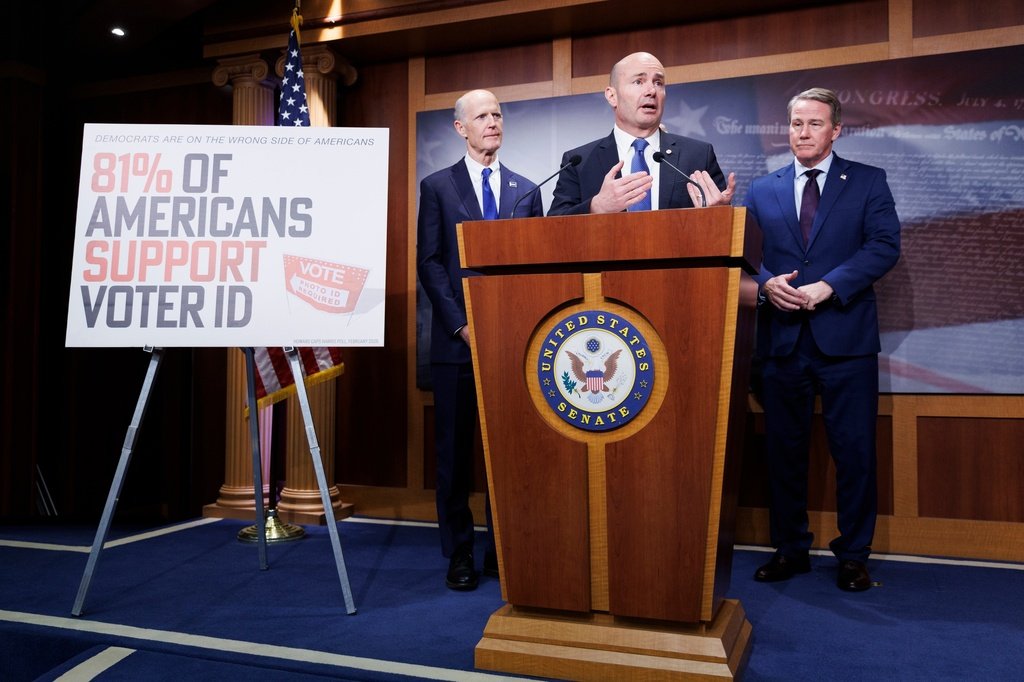
The U.S. Senate finds itself at a pivotal juncture in the debate over election integrity, with the fate of the Safeguard American Voter Eligibility (SAVE) Act hanging in the balance. Having finally initiated substantive discussion on voter identification and citizenship verification—a conversation that had been largely dormant—the chamber now risks losing its fragile momentum through procedural sidetracks and legislative delay.
A Fragile Consensus Emerges
For the first time in recent memory, senators are engaged in genuine debate over the mechanics of voter eligibility. Notably, Democratic opposition has shifted from blanket rejection of voter ID to critiques of specific structural elements within the SAVE Act. This nuanced discussion, forced into the open by bringing the bill to the floor, represents the kind of transparent governance that proponents argue has been lacking. However, this progress remains tenuous and vulnerable to disruption.

Growing pressure exists to divert from a straightforward legislative path. Some advocates suggest using budget reconciliation—a process designed for fiscal matters—to advance the bill, while others propose breaking it into smaller components through funding negotiations or attaching unrelated provisions. These approaches, rather than offering alternative routes forward, represent potential exit ramps that could derail the legislation entirely. The only viable path to passage, according to observers, is maintaining focus on the core bill and bringing it to a direct vote.
Procedural Pitfalls and Political Reality
Reconciliation presents particular dangers for the SAVE Act. The process was never intended for policy legislation of this nature, and attempting to force the bill through this mechanism would likely complicate, delay, and ultimately doom its prospects. Similarly, carving off pieces of the legislative agenda through partial funding measures or side deals would diminish the political urgency that brought the Senate to this moment. The consequences of lost momentum are not abstract; recent congressional dysfunction has already eroded public trust in government institutions, with tangible effects on everything from airport security to basic governance.
The Senate's recent actions underscore this precarious situation. Lawmakers took the extraordinary step of funding select Department of Homeland Security components while withholding support from Immigration and Customs Enforcement and elements of the Border Patrol. This willingness to fragment core national security functions to avoid difficult votes raises a critical question: Will senators employ similar tactics to circumvent a full debate on election integrity? This concern is amplified by the chamber's decision to adjourn for Easter recess without advancing the SAVE Act, despite having previously demonstrated discipline by rejecting unrelated amendments to keep the legislation focused.
The Core Legislation
The SAVE Act itself establishes straightforward requirements: verification of U.S. citizenship for federal voter registration and presentation of photo identification for voting, while granting states flexibility in implementation. The policy's relative simplicity contrasts sharply with the procedural complexity surrounding it and the heated political rhetoric that often misrepresents its actual provisions. The fundamental path forward remains clear: continue debate on the existing bill and proceed to a vote.
The Senate has reached a moment where opportunity and risk exist in equal measure. Momentum for election integrity legislation, once lost, may prove impossible to regain. Hesitation—whether through delay, distraction, or procedural detours—poses as significant a threat as outright opposition. The chamber needs not a new path, but the resolve to complete the journey it has begun. As seen when the Freedom Caucus blocked a DHS funding deal to demand voter ID provisions, base voters increasingly demand concrete results over symbolic gestures.
When senators return to their districts, they will likely face constituents weary of legislative gridlock and unfulfilled promises. Tepid outcomes do not energize electoral bases; they foster disillusionment that can depress turnout in critical elections. The Senate's handling of the SAVE Act will serve as a telling indicator of whether the institution can transcend its current pattern of blocking standalone voter ID measures and deliver substantive policy on an issue that has deeply divided the nation.