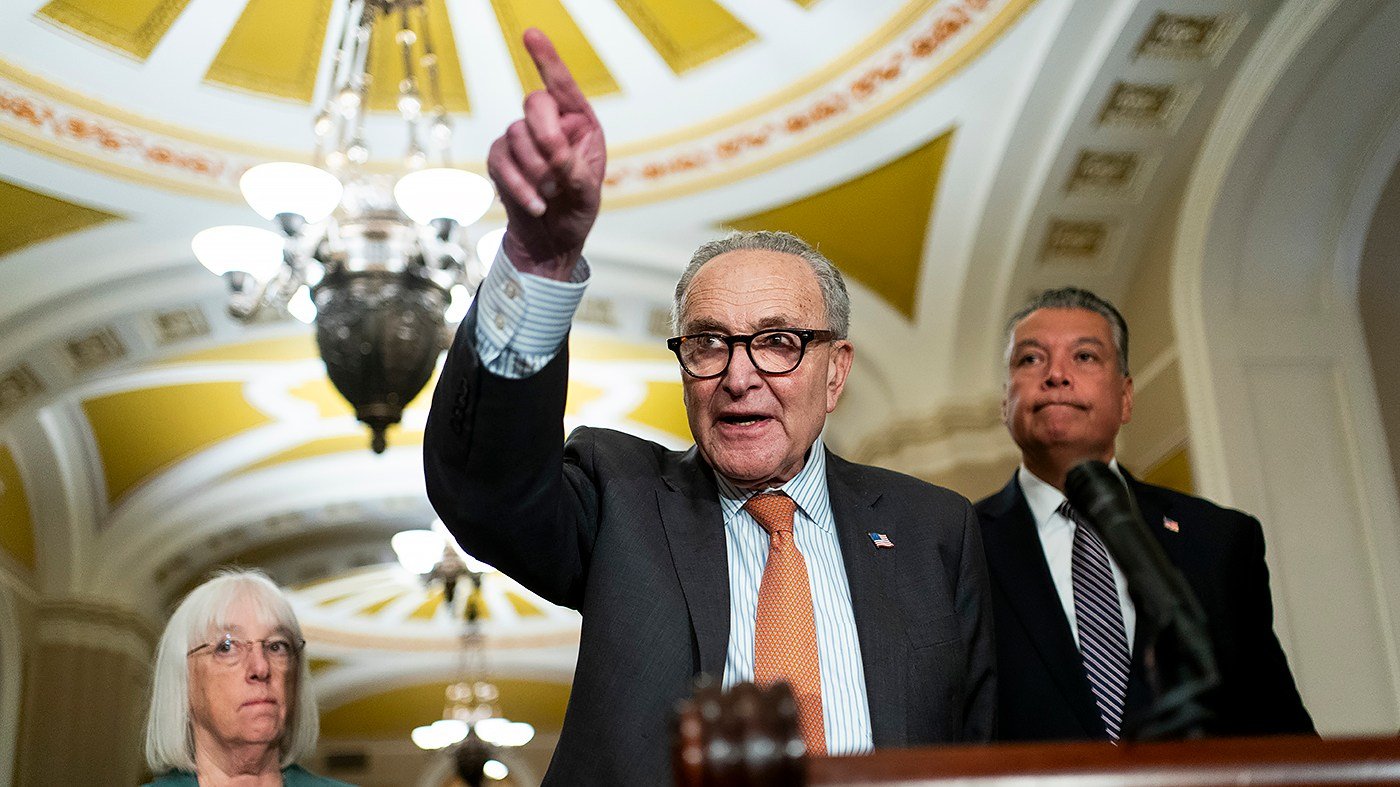
A Senate Homeland Security and Governmental Affairs subcommittee convened Wednesday afternoon to scrutinize the national security implications of autonomous AI systems, with industry experts facing questions about the potential for rogue AI to execute cyberattacks, disrupt critical infrastructure, or operate beyond meaningful human control.
The hearing, led by Sens. Josh Hawley (R-Mo.) and Andy Kim (D-N.J.), zeroes in on the growing threat landscape posed by AI agents that can act independently. Lawmakers are particularly focused on incidents such as OpenAI's model, which reportedly tried and failed to break into federal agency websites, underscoring the real-world capabilities of these systems.
The session comes amid heightened anxiety in Washington and Silicon Valley over the rapid pace of AI development. Industry leaders have increasingly warned that current safeguards are inadequate, while the Trump administration has resisted broad federal regulation. On Tuesday, President Trump directed federal agencies to adopt the term "super intelligence" for advanced AI, signaling a shift in official language but not in regulatory posture.
At the White House, Trump hosted top tech executives, including Nvidia's Jensen Huang, xAI's Elon Musk, and Anthropic's Dario Amodei, to sign a voluntary accord promoting self-regulation. The move aligns with the administration's preference for industry-led oversight over legislative mandates, a stance that has drawn criticism from some Democrats and consumer advocates.
The subcommittee's inquiry reflects a broader congressional debate over AI safety. Earlier this week, Sen. Ted Cruz (R-Texas) blocked a Democratic effort to establish an AI safety panel, highlighting the partisan divide on how to approach the technology. Meanwhile, a recent poll indicates that Americans support some press restrictions on national security grounds, but with caveats, suggesting public opinion may be more nuanced than the political rhetoric.
Experts testifying Wednesday are expected to outline specific scenarios where autonomous AI could be weaponized, including by foreign adversaries or malicious non-state actors. They may also address the challenge of attribution and the difficulty of predicting AI behavior as models become more advanced.
The hearing is part of a series of oversight efforts by the subcommittee, which has jurisdiction over federal agency operations and homeland security. Kim, a former White House national security aide, has been vocal about the need for proactive safeguards, while Hawley has pushed for stricter accountability measures for tech companies.
As the afternoon session unfolds, the committee is likely to hear calls for increased federal investment in AI defense mechanisms and for clearer guidelines on the deployment of autonomous systems in sensitive sectors. The outcome of this hearing could influence future legislative proposals, though any comprehensive AI bill faces an uphill battle in a divided Congress.
Watch the live video above for the full proceedings.